Police plan to buy 5,830 vehicles at a cost of Tk 6.5 thousand crore
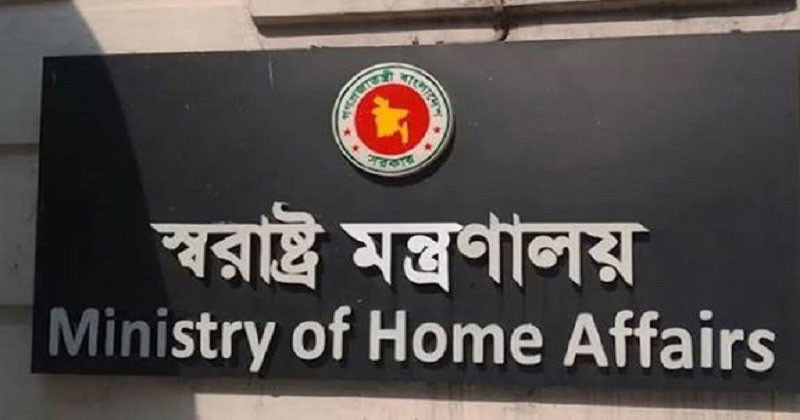
The Home Ministry has proposed Tk 6,608 crore 14 lakh to buy 5,830 vehicles for the police. The aim is to end the long vehicle shortage of the police, deal with emergencies and strengthen law enforcement across the country. The ministry has placed two projects before the Executive Committee of the National Economic Council (ECNEC) for its consideration. The ECNEC meeting will take place tomorrow at the Secretariat, and Prime Minister Mr. Tarique Rahman, who is its chairman, will preside over it. The proposal to buy police vehicles will be presented at that meeting.
Experts and former police officers say that it is important to buy vehicles that stay fit for use for a long time, with proper monitoring and skilled checking. That way, the vehicles will not need repairs in a short time. They also say that buying vehicles from government institutions leaves less room for corruption or waste of money.
According to sources, Tk 4,328 crore of the proposed investment will go to buy 4,829 operational vehicles. Tk 2,280 crore 14 lakh will go to 1,001 specialised vehicles. Both projects are set to run from October 2026 to June 2029, and the government will bear the full cost. The purchase plan began because the police force has a big gap between the vehicles it has and the needs of its work.
According to the project proposal, the country’s 639 administrative police stations have 1,237 vehicles to serve about 147,000 square kilometres. That is fewer than two vehicles per station on average. About 64 percent of the existing fleet is more than ten years old. So the police face challenges in keeping up regular patrols, responding to emergencies and sending staff where they are needed most. The proposed investment is expected to raise the police force’s mobility and readiness for operations. It should help the police respond more effectively to crime, breaches of public order and security risks.
The specialised vehicle project plans to buy riot control vehicles, vehicles that can travel in remote areas, mobile command centres and special vans for crime scene visits. These meet specific law and order needs. The vehicles will help control crowds, run operations in remote areas, coordinate different units on the ground and collect evidence in criminal investigations. The modernisation plan also says the police need speedboats and country boats to strengthen their work on the country’s wide river routes. These boats will help with patrols on waterways, protection of key installations, anti terror operations and emergency rescue.
Along with buying vehicles, both projects include training so that staff can learn the skills to run and maintain them. Under the operational vehicle project, 650 people will get light vehicle driving and mechanics training. Another 300 will get heavy vehicle driving and mechanics training, and 50 more will get training in vehicle repair. The specialised vehicle project has driving and mechanics training for 910 staff and mechanics training for 50 more. The operational project also includes Tk 1.5 crore for tools and equipment to maintain and repair vehicles.
The proposed combined cost is Tk 2,080 crore 94 lakh in the 2026-27 fiscal year, Tk 2,867 crore 55 lakh in 2027-28 and Tk 1,660 crore 58 lakh in 2028-29. Hawkes Bay carried out the feasibility study for both projects. Each economic assessment gives a cost benefit ratio of 1.05. This shows that, under the assumptions used, the expected economic benefit is slightly higher than the estimated cost. The estimated net present value is Tk 19 crore 22 lakh for the operational vehicle project and Tk 176 crore 9 lakh for the specialised vehicle project. The second figure uses a 12 percent discount rate.
A project evaluation committee meeting reviewed the revised development project proposal for operational vehicles a few days ago. On the committee’s advice, foreign training was dropped. The proposal was also revised to match the rules of the Bangladesh Public Training Authority and the Finance Division. It was also made consistent with the election manifesto. After a review by the Physical Infrastructure Division of the Planning Commission, the specialised vehicle project was recommended separately for ECNEC’s consideration.
Neither project has received final approval, and carrying them out depends on ECNEC’s decision. If approved, the two projects are expected to raise the police’s vehicle fleet and operational capacity across the country by a large margin. But how much this investment improves public safety will depend on an effective buying process, sharing vehicles according to need and proper maintenance. It will also depend on how well the extra mobility turns into quick response and more effective policing.