Effective steps needed to stop cyber bullying
Shahria Islam Shayla
Advances in technology have made our lives much easier. Now sitting at home we can learn news from different corners of the world, connect with people, run a business and express our views. Social media has made people’s voices stronger. But when the misuse of this chance becomes a threat to another person’s dignity, safety and private life, it can no longer be ignored.
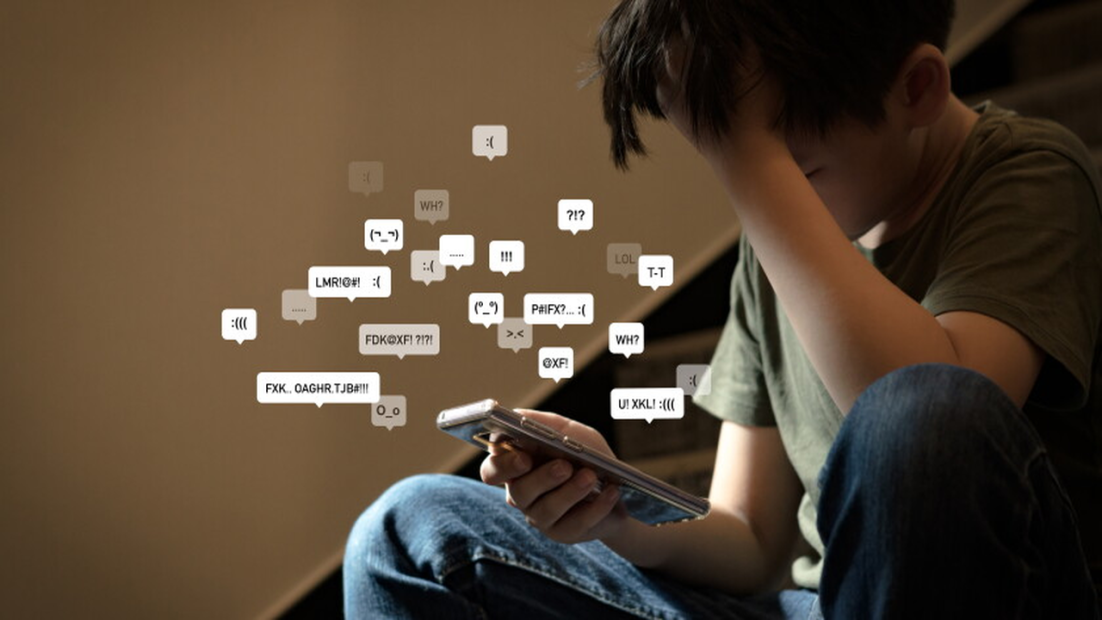
In Bangladesh too, incidents on social media such as insults, spreading false information, harassment over private photos, opening accounts with fake identities, threats, and personal attacks over political differences have become a worry. Many victims are mentally shattered. Some stay silent for fear of losing social honor, and some get no remedy because they do not know the right way to complain.
In my view, to stop cyber bullying or online harassment, thinking only of punishing the offender is not enough. We must build an environment where people can express their views without fear, get help easily if harassed, and have complaints investigated fairly. In this matter, Bangladesh has much to learn from the experience of the United Kingdom, including London.
Freedom of expression and personal attack are not the same
In a democratic society, differences of opinion are natural. Some support government decisions and some criticize them. Some support a political party and some oppose its policies. All of this is part of normal political and social life. But when, instead of answering a statement with reason, people attack someone’s private life, family, looks or character, the environment for healthy discussion is spoiled.
Especially when women speak on social and political matters, indecent comments are often made on their private lives instead of their words. Sometimes photos are distorted and spread, and sometimes false allegations are made to put them down socially. One thing must be clear here: freedom of expression does not mean the right to insult others. At the same time, a statement cannot be called a crime just because it is disliked. We must tell apart harsh criticism, differing views and real harassment.
Ignoring threats, blackmail or misuse of personal data in the name of freedom of expression is not right, and neither is suppressing legitimate political criticism.
Protection of women and children needs special attention
Online harassment of women is often very personal and insulting. Indecent comments, sexually suggestive messages, threats to publish private photos and attempts at character assassination can damage their private lives and social standing. As a result, many hesitate to express their opinions or withdraw from social and political activity. No one has the right to harass a woman because she uses social media, posts her photo or takes part in political activity. Our first duty should be to stand by the victim without blaming her.
The matter is also very important for children and teenagers. Online insults, group mockery, misuse of personal data or unwanted contact from strangers can affect their mental health. Many children cannot tell their families about the problem out of fear or shame. So families and schools must create a safe environment for children. If a child reports online harassment, adults must listen with care and not scold or blame the child. Schools and colleges also need to teach regularly about digital safety, protection of personal data, and where to seek help if one is harassed online.
What can be learned from London and the UK
In the UK, the police, online platforms and regulators each have separate roles in tackling online harassment. In England and Wales, people can call 999 in an emergency and 101 for non emergency police help. Online threats or harassment can also be reported to the police, depending on the situation. Useful details for a complaint include the message, the account name, the post link, and the date and time. But even if someone cannot collect evidence, they should not be discouraged from reporting. The relevant authority can decide the next step based on the situation.
In the UK, covered online services have specific safety duties under the Online Safety Act 2023. Ofcom works as the regulator. But it is not Ofcom’s job to directly solve every complaint. The agency oversees whether the relevant services are carrying out their duties. The lesson for Bangladesh is to expect effective complaint systems, transparent review and responsibility for user safety from online platforms. But posts should not be removed or accounts closed without checking just because a complaint is raised. The difference between legitimate criticism and harassment must be ensured. The UK system is not perfect, and not all complaints get quick solutions. So rather than copy another country’s experience exactly, it is sensible to build a system that fits Bangladesh’s own reality and legal framework.
Complaint and remedy systems in Bangladesh must be made easier
Bangladesh has a legal framework and several support initiatives to tackle cyber crime. The Bangladesh Police service “Police Cyber Support for Women” is an existing initiative to help women with cyber crime issues. Public awareness of such services must be raised, and the way to get help made easier when needed. Many victims do not know where to complain, what information to give, or what will happen after the complaint.
To remove this uncertainty, there should be guidance in simple Bangla, the chance to complain online, and a way to get direct help. Victims should also be told about the progress of their complaint as far as possible. Especially for women and children, privacy of personal information must be kept. No one should be insulted again when coming to file a complaint. Police and relevant officials need training in humane and sensitive behavior toward victims along with technical skill.
Fairness is also very important in law enforcement. No complaint should be given more or less importance based on political identity, social position or personal influence. At the same time, proper investigation of complaints, evidence based decisions and the accused person’s right to fair process must be ensured.
Social media and citizens also have responsibility
Blaming only the government or police will not work to stop online harassment. Social media users must also think about their own behavior. It is important to avoid sharing information without checking, spreading others’ private photos, or joining group attacks to insult someone. Online platforms must properly review complaints of threats, blackmail and misuse of personal data. Users should have an easy way to complain and the chance to appeal wrong decisions.
The media also has responsibility. It should not increase a victim’s harm by publishing her private photos, identity or sensitive information. It is also wrong to brand someone a criminal on social media without checking the truth of an allegation. The aim of the media should be to build awareness, ensure accountability and protect people’s rights.
What steps are needed now?
Several things must be given priority to stop online harassment in Bangladesh. First, the complaint system must be made easy and well known. Second, special support for women and children and protection of personal data must be ensured. Third, the technical capacity of police and related agencies must be raised. Fourth, lawful cooperation with online platforms must be strengthened. Fifth, digital safety education must be started and expanded in schools and colleges.
Sixth, regular reports on the progress of complaint settlement could be published, keeping personal information safe. This will make it easier to see where problems are bigger, where services fall short, and what improvements are needed. Most important, legitimate expression should not be blocked in the name of law enforcement, and real harassment should not be allowed to continue in the name of freedom of expression. Only by keeping this balance can people’s trust be earned.
Conclusion
Building a safe digital environment is not only a technical matter. It is deeply tied to humanity, justice and citizens’ rights. Bangladesh can learn from the UK experience on complaint systems, accountability of online platforms and public awareness. But we must build our system by considering the country’s own system and the needs of its people.
I believe our goal should be that no woman faces personal attack for expressing her views, every child can stay safe online, and no citizen faces threats because of political differences. The progress of technology will be truly meaningful only when people find safety online and not fear, respect and not insult, and when the path to justice is open to them if they are wronged.
Writer: Columnist and politician.