Language is a big challenge for employment in Japan
Faruk Hossain, from Tokyo, Japan
Prime Minister Mr. Tarique Rahman made a four day visit to Japan earlier this week at the invitation of Japanese Prime Minister Ms. Sanae Takaichi. The visit brought hopeful news of 6.3 billion US dollars in proposed investment. It also brought hope of about 200,000 new jobs for Bangladeshis at home. Japan also has many job openings. But Bangladesh cannot use these chances because of the language challenge.
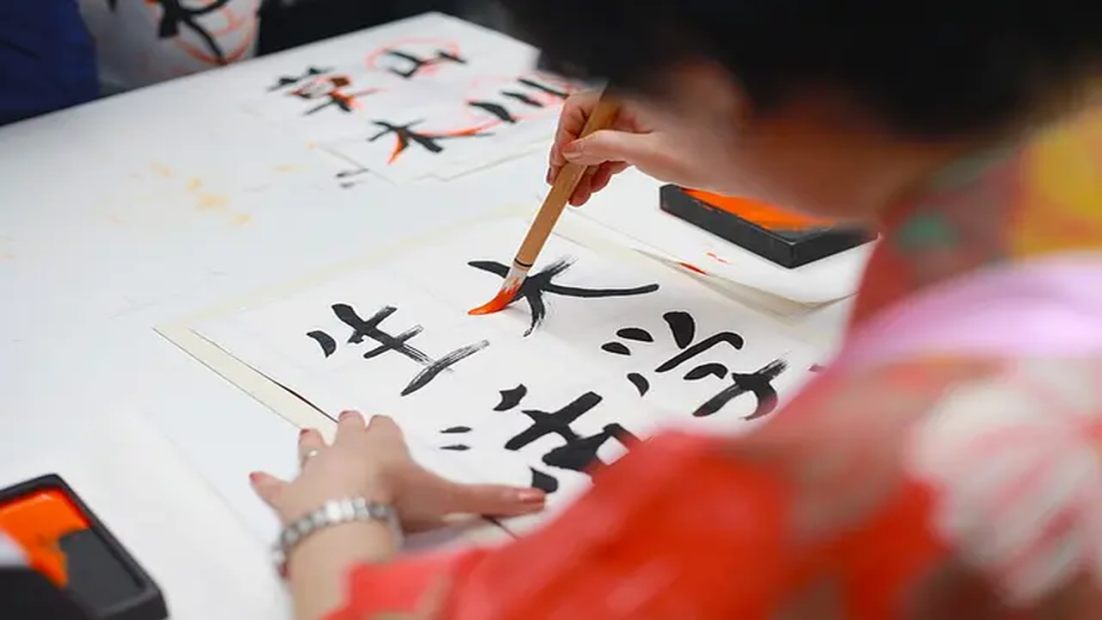
Experts and expatriates say it is almost impossible to get a good job in Japan without good Japanese, even with technical skills. Japan’s job market now needs many skilled workers in IT, nursing, caregiving, agriculture, engineering and manufacturing. But many Bangladeshi workers go to Japan on job visas and still fail to get the work they want, because they lack language skills. Some learn only a little of the language, so they face problems talking at work.
Experts say workers should reach at least the N3 level in Japanese before going to Japan to join good quality work. Experienced businessmen and experts living in Japan say work skills alone are not enough to secure a job there. They say language is the key to the work environment, the culture and daily communication. They say that as the government and private sector carry out their agreements, young people must now learn Japanese the right way.
They say that once workers gain the needed language skills, Bangladesh can export skilled and professional workers, and a new wave of remittances will follow. Expatriates say the Prime Minister’s visit has not only strengthened ties between the two countries. They say it has also brought fresh hope to more than 350,000 Bangladeshis living in Japan.
Export of skilled workers and easier visas
During the visit, both sides held positive talks on hiring more skilled and semi skilled workers from Bangladesh, given Japan’s growing demand for labour. Prime Minister Mr. Tarique Rahman has already given the needed directions on learning Japanese and on making the technical trainee visa process easier for new workers. The Japanese government has promised help to ease the shortage of teachers, which is a big barrier to learning Japanese in Bangladesh.
Mr. Imdadul Haque, from Munshiganj, has lived in Japan since 1987. He shared his own experience. He said there were very few Bangladeshis in Japan at the start, and not knowing the language caused many problems. He said he had to join a language school and gain skills to survive. He said it is very positive that many students and workers are coming to Japan now.
He said many of them fail to find work because they came without learning the language. They face great trouble and lose the money they spent to come. So he said people should come through a approved and good institution, public or private, and learn the language and technical skills the proper way before they arrive.
Career in higher education and IT
Japan has become a main destination for Bangladeshi students for higher study, research and part time work. During the Prime Minister’s visit, Bangladesh strongly proposed more scholarships and more work chances for talented Bangladeshi students at well known Japanese universities. Mr. Mehedi Hasan Munna is a Bangladeshi IT support engineer at Japan Remit Finance (JRF), a leading remittance company in Japan. He said IT work in Japan is much wider and different from Bangladesh.
Mr. Mehedi Hasan worked for JRF remotely from Bangladesh. He then won a promotion on merit and moved to Tokyo three years ago. He said he suffered a lot in communication at the start because he came without learning the language. So he asks newcomers to learn the language well before they come from Bangladesh. He said it is easy to come on a student visa, adjust to the environment and build a career. He said it is also possible to come directly from Bangladesh on a job visa.
He said JRF Recruit and several other companies now bring skilled workers to Japan from Bangladesh through direct interviews. But to move from one company to another for a good opportunity in Japan, a worker needs at least the N2 level in the language. So he said there is no substitute for language learning and skill building.
New facilities for sending remittances through legal channels
During the visit, the Japanese government promised to strengthen banking and digital networks. The aim is to let expatriate Bangladeshis send remittances home easily, fast and at the lowest cost. People hope this will encourage expatriates to use legal and banking channels more. Yesterday, Bangladesh’s Finance Minister Mr. Amir Khasru Mahmud Chowdhury held a bilateral meeting at the Japanese Finance Minister’s office.
He met Japan’s Finance Minister Ms. Satsuki Katayama and Vice Minister Mr. Mimura Atsushi. The Prime Minister’s Deputy Press Secretary, Mr. Shahadat Swadhin, said the meeting took place in a very warm atmosphere. Both sides recalled the long, historic and strong economic ties between the two countries. The meeting gave special weight to raising economic cooperation through alternative financing, beyond foreign direct investment (FDI), alongside Bangladesh’s infrastructure development and trade growth.
Both sides agreed to make existing economic ties more dynamic and to work together in new sectors. Mr. Tanvir Ghani, the Prime Minister’s Special Assistant for investment and capital market, attended the meeting. So did Mr. Shakirul Islam Khan, Special Assistant for employment in the Asia Pacific region, and senior officials of both countries. Japan has long been one of Bangladesh’s main development partners, and it has long given funding and technical help to Bangladesh’s mega infrastructure and social development projects.