Turbulent France, Germany, and Spain: The Wildfire of Youth Anger is Spreading Across Europe
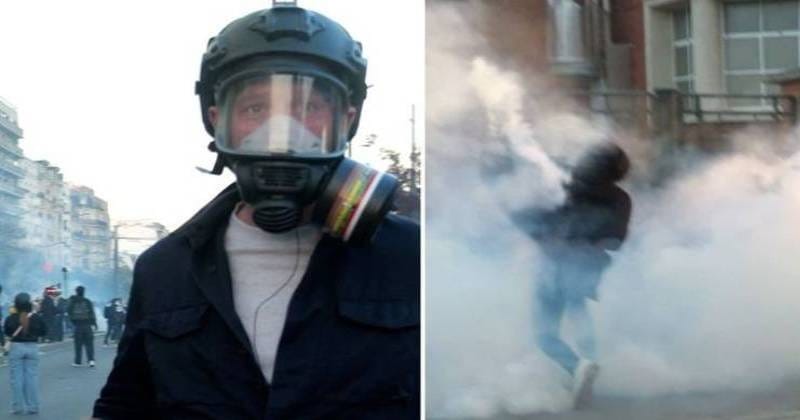
Massive protests led by hundreds of thousands of demonstrators have swept across France for a third consecutive week, driven by soaring inflation, a rising cost of living, and deteriorating public services. The unrest fueled severe street clashes in Paris, where law enforcement deployed tear gas and water cannons against crowd violence. According to the French Ministry of Interior, at least 320,000 citizens demonstrated nationwide on Saturday, including 70,000 in the capital, though youth organizers claimed participation reached nearly 500,000 across the country. Over 500 individuals were arrested nationwide by late evening.
While daytime marches began peacefully along designated routes, evening conditions deteriorated rapidly as groups of protesters targeted police forces with bricks, Molotov cocktails, and fireworks. Senior police officials reported that five officers sustained injuries, including a gendarme who suffered severe leg burns from a petrol bomb attack in Paris. Demonstrators also set fire to numerous vehicles and waste bins across street corridors. Authorities retaliated with crowd-control munitions, while isolated incidents of violence, tear gas deployment, and retail looting were also recorded in cities like Marseille, Lyon, and Toulouse.
To prevent widespread vandalism matching previous weeks, authorities instituted heavy security measures coinciding with the Halloween weekend. Police enforced prohibitions against face masks, terrifying costumes, and replica weapons, conducting extensive stop-and-search sweeps to curb disorder. French Interior Minister Laurent Nuñez stated that police carried out approximately 40,000 searches nationwide, with 15,000 concentrated solely in the Île-de-France region. Despite these precautions, five individuals were caught red-handed during a burglary at a Foot Locker store in Marseille, prompting quick intervention by municipal riot officers.
Labor unions and student organizations across France announced plans to intensify nationwide mobilizations in the coming week. Two major French student unions called for total blockades of high schools and universities, while trade unions summoned an all-out national strike protesting wage stagnation, pension protections, and government budget cuts. Political figures also joined the discourse; Jean-Luc Mélenchon, leader of France Unbowed, marched in Paris amid criticism of political opportunism, while Jordan Bardella, president of the National Rally, strongly condemned those who threw cocktails at police officers and demanded severe punishments.
Cross-border unrest spread to Germany and Albania as youth-led movements mobilized against economic hardship. German cities including Berlin, Frankfurt, Hamburg, Bremen, and Cologne experienced substantial violence; protesters broke into a Frankfurt gun store to steal weapons and merchandise, while fires in Berlin left 27 police officers injured. Meanwhile, in Tirana, student-led protests demanding increased education budgets and the resignation of PM Edi Rama resulted in violent clashes, with demonstrators raining stones and Molotov cocktails on security forces attempting to protect state government facilities.
Civil unrest further extended to Spain, Portugal, Belgium, the United Kingdom, and Serbia. In Madrid, Gen-Z protesters maintained a central encampment over housing and cost-of-living crises, forcing shops along Gran Vía to construct protective wooden barricades as police patrolled on horseback. Protesters in Brussels faced tear gas and water cannons, while thousands marched in Lisbon for public service funding. In London, youths rallied near the US consulate in support of the banned group Palestine Action, while student movements in Serbia reached a peak, exerting pressure on the political leadership.
With economic stagnation, surging food prices, and youth employment crises driving unrest across the continent, European authorities anticipate further disruptions as upcoming multi-sector strikes begin. Analysts warn that the planned union blockades, combined with widespread student protests, could inflict severe economic shocks on public infrastructure and trade networks throughout Europe. Security forces across multiple capitals remain on high alert, preparing extra defensive measures as protest organizers show no intention of backing down from their campaign of coordinated continental resistance.