Dramatic Turn in Israeli Elections: Arab Parties Become ‘Kingmakers’ to Oust Netanyahu
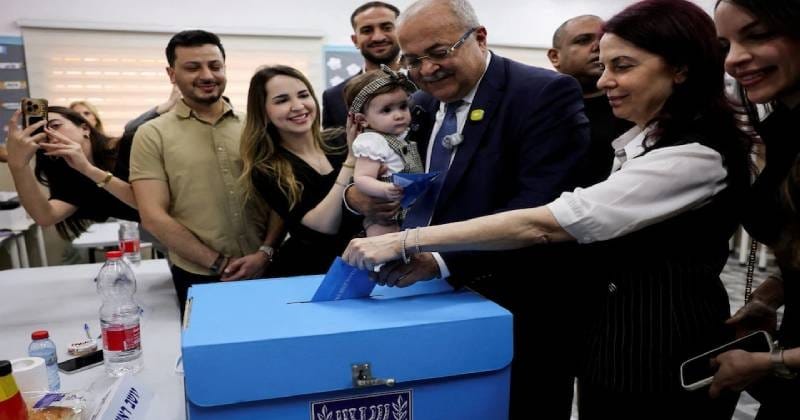
In a historic political shift, Israel’s Arab parties have emerged as key kingmakers following the parliamentary elections on October 27, effectively blocking PM Benjamin Netanyahu’s path to a majority. Final results from the Central Elections Committee show Netanyahu’s right-wing bloc securing 53 seats while Gadi Eisenkot’s opposition coalition won 48 seats. Neither group can reach the 61-seat threshold without the record 19 seats held by the Arab parties, putting them in position to end Netanyahu’s record run as prime minister amid ongoing regional tensions and domestic crisis.
Confirming their strategy to remove the incumbent leader, Jafar Farah, director of the Mossawa Center advocating for Arab citizens, announced that Arab representatives will meet President Isaac Herzog to endorse the anti-Netanyahu coalition. Netanyahu’s campaign has faced intense criticism over its aggressive policies in Palestine, and his opponents view this alignment as a decisive turning point. With neither major bloc able to form a government independently, the unified Arab leadership is leveraging its unprecedented electoral influence to ensure the right-wing administration is permanently ousted from power.
Facing defeat, Mr. Netanyahu claimed without evidence that Arab parties stole this election through illegal funding from Qatar and Turkey, while right-wing figures targeted high Arab voter turnout with inflammatory online campaigns. Israel’s election commission promptly rejected these fraud claims as baseless. In response, thousands of Jewish and Arab citizens gathered at Tel Aviv’s Habima Square to protest Netanyahu’s rhetoric, chanting slogans branding him a great fraudster and calling for a joint Jewish-Arab coalition as the only path forward.
The unprecedented negotiations place Arab lawmakers at the center of Israeli politics after decades of marginalization, though significant hurdles remain in finalizing a stable governing agreement. If coalition talks between the opposition and Arab factions break down over the coming weeks, the country faces the prospect of another national election early next year. In that scenario, Mr. Netanyahu would remain in power as caretaker prime minister while managing his ongoing corruption trial and investigations surrounding security failures.
Source: The Telegraph