El-Sayed Becomes the First Muslim Senator in US History
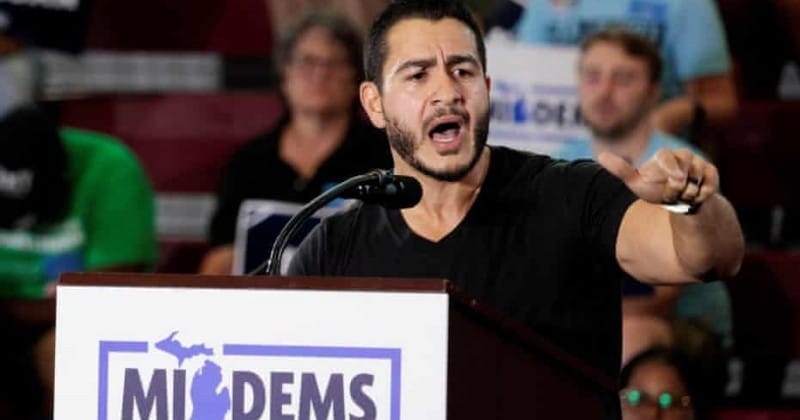
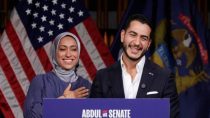
Democratic candidate Abdul El-Sayed has taken a decisive lead in the Michigan Senate race during the US midterm elections. According to media reports, with approximately 70 percent of votes counted, the 41-year-old politician leads with 1,782,464 votes (51.6 percent) against Republican candidate Rogers’s 1,605,707 votes (46.44 percent). With major news outlets reporting his victory as nearly certain, El-Sayed is poised to make history as the first Muslim senator in the United States.
Mr. El-Sayed’s path to victory overcame significant political obstacles and internal party resistance. Just two days before the election, Democratic Representative Haley Stevens, whom Mr. El-Sayed had defeated in the primary, publicly broke party ranks to endorse his Republican opponent. Unfazed by this unexpected setback, Mr. El-Sayed maintained active campaign momentum until the polls closed, keeping his focus firmly on voters across the state.
Throughout the high-stakes campaign, opposition figures frequently targeted Mr. El-Sayed’s religious identity. President Donald Trump directed harsh remarks at him, labeling him a militant and a jihadist. Countering the personal attacks, Mr. El-Sayed focused on addressing inadequate healthcare and pressing everyday economic issues in Michigan, famously emphasizing that he was not running to be a Muslim senator, but to transform the lives of the people of Michigan.
This historic outcome forms part of a broader national shift in the US Congress during these midterm elections. While Republicans previously held a 53-seat majority following the 2024 elections, Democrats have now secured at least 54 seats in the 100-member upper chamber. Mr. El-Sayed’s landmark victory in Michigan underscores a major setback for the Republican Party while reshaping the political landscape of the US Senate.