Animal Rights in Islam
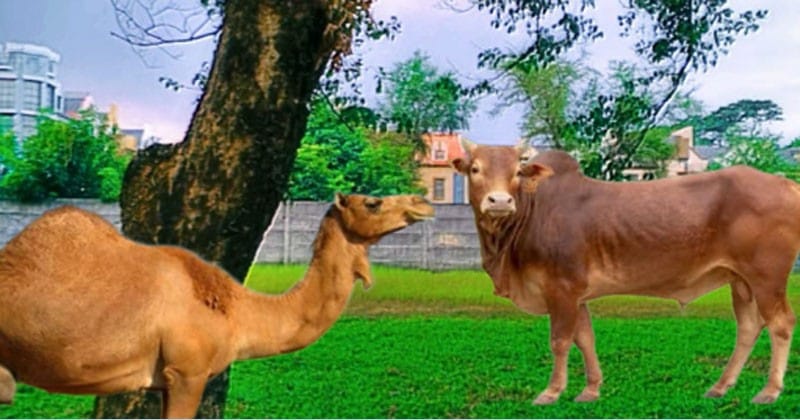
Animals hold a remarkable and cherished status in Islamic teachings, serving as essential companions that fulfill numerous human needs while offering boundless benefits. The Holy Quran underscores their importance by naming several Surahs after them, including Surah Al-Baqarah, Surah Al-An’am, Surah An-Nahl, Surah An-Naml, Surah Al-Ankabut, and Surah Al-Fil. These creations provide humanity with vital resources such as warm clothing, milk, meat, and assistance with heavy labor and transportation. Recognizing these contributions, Islamic principles pair human benefits with fundamental responsibilities and rights owed to these creatures.
Ensuring animal welfare begins with absolute protection against unnecessary harm, cruelty, and torture, which are strictly prohibited in Islam. Highlighting this strict stance, Jabir (RA) narrated that when the Prophet (SAW) once passed by a donkey whose face had been branded with hot iron, he firmly declared, ‘May Allah curse the one who branded it’ (Sahih Muslim: 2117). This foundational rule safeguards mute animals from physical disfigurement and inhumane treatment, reminding humanity that cruelty towards any living creature incurs severe spiritual consequences.
Another critical right focuses on providing adequate sustenance, shelter, and water to prevent suffering and starvation. The gravity of this duty is underscored by the famous account of a woman punished for neglecting a helpless animal. As the Prophet (SAW) stated, ‘A woman was punished because of a cat which she imprisoned until it died of hunger. She neither fed it nor released it to eat of the vermin of the earth’ (Sahih Bukhari: 2236). This profound lesson establishes that withholding essential food and water from any creature is a grave offense.
Furthermore, Islam completely outlaws killing or harming animals for mere sports, entertainment, or target practice. The sanctity of life dictates that creatures must never be exploited for frivolous human amusement. Reflecting this prohibition, the Prophet (SAW) specifically invoked a curse upon anyone who takes a living creature as a target (Sahih Bukhari: 5196). In stark contrast, showing mercy and treating animals with gentle compassion is deemed a noble act of worship that earns immense spiritual rewards and divine forgiveness.
To institutionalize this compassion, handlers must respect animal sensitivities and environmental conditions during travel and daily labor. When traversing fertile lands, the Prophet (SAW) instructed travelers to give them their share of the earth (i.e., let them graze) (Muwatta: 1767). Additionally, physical and psychological distress must be avoided during necessary processes such as slaughter, where utmost proficiency and mercy are required. The Prophet (SAW) commanded, ‘Let each one of you sharpen his blade and let him spare suffering to the animal he slaughters’ (Sahih Muslim: 1955).
Finally, imposing excessive burdens beyond a creature’s physical capacity is deemed strictly unjust. The Prophet’s companions maintained profound mindfulness of this equitable treatment. Illustrating this supreme caution, Abu al-Darda (RA) would address his camel before rest, saying, ‘O camel, do not dispute with your Lord concerning me, for I never burdened you beyond your capacity’ (Ihya Ulum al-Din: 1/264). Embracing these comprehensive guidelines fosters a genuinely humane outlook, ensuring that society honors both the blessings and the rights of Allah’s creation.