Caring for the Sick: An Important Teaching of Islam
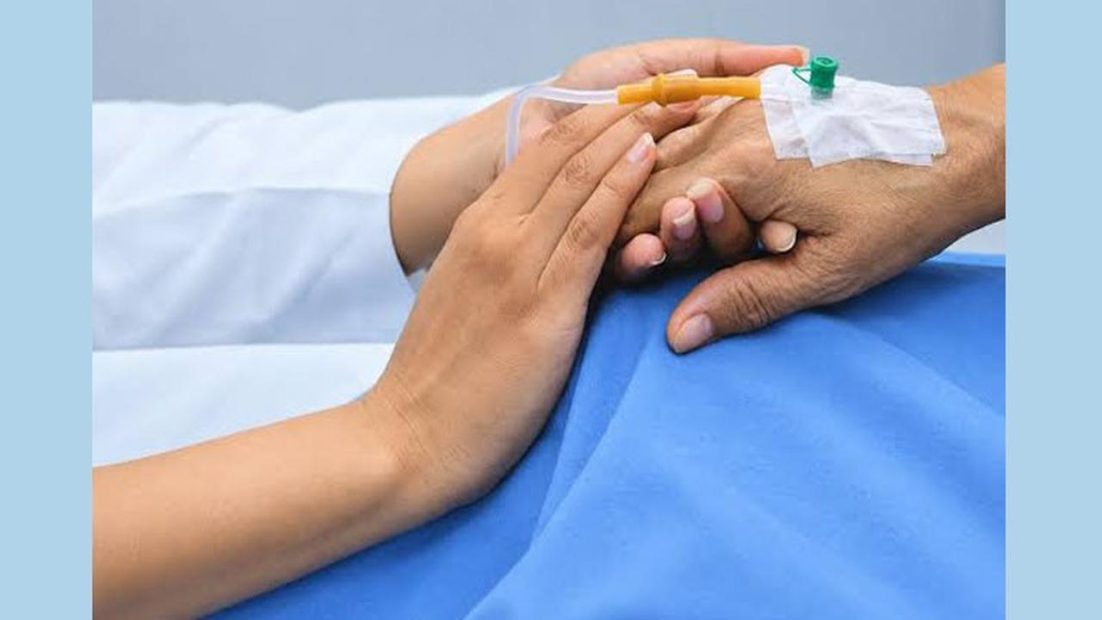
Illness is a difficult reality of human life. During times of sickness, people need not only medical treatment but also the company of loved ones, empathy, comfort and emotional support. Standing by patients, checking on their well-being, assisting them with treatment and showing compassion towards their families are important aspects of our human responsibilities. Islam places special importance on these duties. Visiting the sick, easing their suffering and providing care according to one’s ability are among the noble teachings of Islam and acts that bring great rewards.
Islam teaches people to show kindness, compassion and goodwill towards one another. Supporting the sick is a practical expression of these teachings. Caring for patients is not merely a matter of social courtesy; with sincere intentions, it can also become an act of worship. Almighty Allah says, “Help one another in righteousness and piety.” (Surah Al-Ma’idah, verse 2). Helping patients obtain medical treatment, collecting medicines, arranging transportation to hospitals or providing necessary food are all forms of cooperation in good deeds.
Checking on the sick is an expression of mutual love and brotherhood in Muslim society. Among the rights of one Muslim over another, the Prophet Muhammad (PBUH) mentioned visiting the sick. He said, “A Muslim has five rights over another Muslim: returning greetings, visiting the sick, attending funerals, accepting invitations and responding to someone who sneezes.” (Sahih al-Bukhari, Hadith 1240; Sahih Muslim, Hadith 2162). Therefore, people should check on the sick, whether they are acquaintances or strangers, relatives or non-relatives, according to their ability and circumstances.
Regarding the virtues of visiting the sick, the Prophet Muhammad (PBUH) said, “Whoever visits a sick person remains in the orchards of Paradise until he returns.” (Sahih Muslim, Hadith 2568). This Hadith highlights the great virtue of visiting patients. However, their need for rest, medical routines and their families’ convenience must also be considered. A visit should not increase the patient’s discomfort or suffering.
Many patients experience fear, anxiety and uncertainty during illness. In such circumstances, offering words of encouragement, urging them to remain patient and reminding them of Allah’s mercy can bring peace to their hearts. When visiting a sick person, the Prophet Muhammad (PBUH) would say, “There is no harm; it will be a purification from sins, if Allah wills.” (Sahih al-Bukhari, Hadith 5656). Therefore, patients should not be discouraged. Instead, we should pray for their recovery and offer them words of hope. However, making unfounded assurances about their medical condition or downplaying the need for treatment is inappropriate.
Standing by a patient means more than simply visiting and leaving. It also includes taking them to a doctor when necessary, purchasing medicines, arranging blood donations, assisting them in hospitals and helping financially disadvantaged patients meet their medical expenses. Islam places great importance on preserving human life. Almighty Allah says, “And whoever saves one life, it is as if he had saved all of mankind.” (Surah Al-Ma’idah, verse 32). The verse appears in the context of the laws prescribed for the Children of Israel. However, it also clearly reflects the sanctity of human life and the importance of saving lives.
Therefore, helping patients obtain medical treatment is a noble humanitarian act. Many people are deprived of necessary medical care because of financial hardship. Supporting them, helping cover their medical expenses or encouraging financially capable members of society to come forward are all consistent with Islam’s teachings of compassion and welfare.
The Prophet Muhammad (PBUH) said, “Whoever relieves a believer of one of the hardships of this world, Allah will relieve him of one of the hardships of the Day of Resurrection.” (Sahih Muslim, Hadith 2699). Therefore, helping financially disadvantaged patients with medical expenses, purchasing essential medicines or arranging food for their families are highly rewarding acts of service.
Caring for the sick is not limited to relatives. We should also show compassion, according to our ability, towards neighbours, colleagues and vulnerable members of society. No sick person should be treated inhumanely because of their religion, race or social status. Almighty Allah says, “Indeed, Allah commands justice, excellence and giving to relatives.” (Surah An-Nahl, verse 90). Therefore, sincerity, good conduct and a sense of humanitarian responsibility should guide our efforts to support the sick.
When visiting patients, asking unnecessary personal questions, taking photographs or videos without permission, or sharing news of their illness on social media may be inappropriate. Protecting their dignity, privacy and peace of mind is also part of caring for them. The Prophet Muhammad (PBUH) said, “Whoever believes in Allah and the Last Day should speak good or remain silent.” (Sahih al-Bukhari, Hadith 6018; Sahih Muslim, Hadith 47). Therefore, we should speak gently to patients, avoid unnecessary crowds and follow the instructions of doctors and family members.
Supporting the sick does not always require a large amount of money. A phone call, a sincere inquiry about their well-being or spending time beside a patient in hospital is not merely an act of social courtesy; it is a practical expression of Islam’s teachings of kindness, compassion and mutual cooperation.
Checking on the sick, comforting them, assisting with their treatment and supporting financially disadvantaged patients bring benefits to both individuals and society. Let us not neglect the sick. Instead, let us stand by them according to our ability, pray for their recovery and extend a helping hand whenever they need it. It is through standing beside people in their difficult times that the true beauty of humanity, brotherhood and the noble teachings of Islam is reflected.