Rapid Economic Growth Essential for Bangladesh

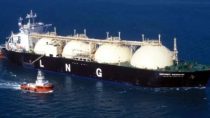
The economy of Bangladesh is coming under increasing pressure from persistent gas and power shortages, which have disrupted households, businesses and industries for a considerable period. Gas shortages have severely affected households and businesses across the country. Many families, particularly in Dhaka, have been unable to cook regularly because supplies remain irregular and pressure is too low for normal use. Although Power, Energy and Mineral Resources Adviser Iqbal Hasan Mahmud said gas supplies would return to normal within two to three days, the crisis has persisted and recently intensified.
The impact is also evident in the industrial sector. A photograph published on the front page of an English-language daily showed garment factory machines standing idle while workers waited without work because of inadequate gas supplies. The disruption has reduced production and placed additional pressure on the country’s fragile economy. Reports published by The Daily Star and New Age said Bangladesh’s garment industry is facing a difficult period. Weak global demand, rising inflation in some countries and delayed orders from international customers have reduced exports. Gas and electricity shortages have further hampered manufacturing ahead of the Christmas export season.
The reports also indicated that exports to major markets, including the United States and the European Union, have recently declined amid uncertainty in the global economy stemming from the Iran conflict. Bangladesh therefore risks falling short of expected export earnings during one of its busiest production periods. Investment remains another major concern. According to New Age, the World Bank cancelled a $31.5 million project aimed at creating jobs in competitive export sectors because of prolonged delays and poor implementation. Bangladesh Investment Development Authority (BIDA) Chairman Ashik Chowdhury said inconsistent policies and political instability have weakened investor confidence and created uncertainty for both domestic and foreign investors.
These pressures, combined with economic stagnation and insufficient improvements in living standards, could increase public frustration and further impede development. Sustained economic growth requires urgent action to address the structural problems restricting production, investment and employment. The government plans to grow the country’s economy to $1 trillion by 2034. To achieve this target, it must ensure stable energy supplies, accelerate infrastructure projects, create an investment-friendly environment and stimulate export-oriented industries. The editorial also encourages the government to capitalise on investment interest from China, Saudi Arabia, Malaysia, the European Union and other countries.