US Seeks A Way Out Of Iran War: Top US General
08 August 2026, 05:16 PM
No comment
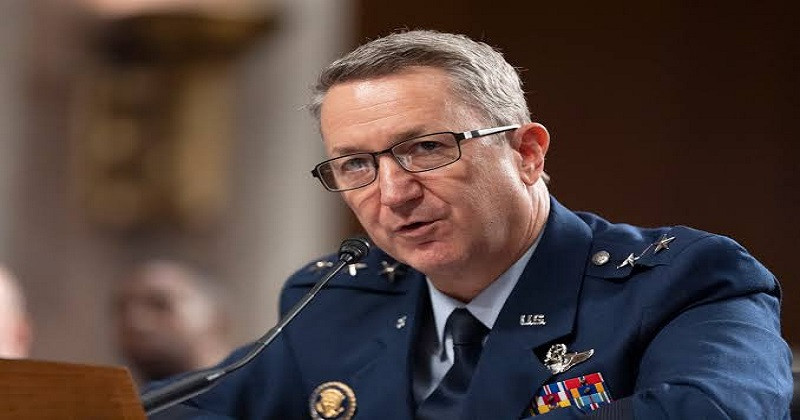
The United States is reconsidering how to contain the ongoing conflict with Iran. Some US military leaders believe it may be difficult to achieve President Donald Trump’s objectives through airstrikes alone. As concerns grow that the situation could become more complicated, US officials are seeking a possible way out of the conflict. According to a report by CNN, citing three people familiar with the matter, General Dan Caine, chairman of the US Joint Chiefs of Staff, has discussed with senior Trump administration officials the need for an “off-ramp” from the conflict. He fears that further escalating military tensions could instead make the situation more complicated and may make it impossible to persuade Tehran to accept an agreement on Washington’s terms.
According to CNN, Caine has discussed the issue with key members of Trump’s national security team, including Vice President JD Vance, Secretary of State Marco Rubio and CIA Director John Ratcliffe. The discussions have focused on how the United States could use military options without deploying ground troops to Iran, as well as the risks and limitations of those options. One person familiar with the matter told CNN that one of the main purposes of Caine’s position is to protect the US military from being exposed to excessive risks. There is concern within the administration that airstrikes alone may have a limit to how much effective pressure they can exert on Iran.
Trump, however, has opposed deploying US ground troops to Iran. He has argued that sustained airstrikes could pressure Tehran into reaching an agreement. Some US officials, however, believe that airstrikes alone are unlikely to achieve that objective. Meanwhile, concerns are growing that the impact of the Iran war could extend beyond the Middle East into the global economy and energy markets. Particular concern surrounds the Strait of Hormuz. One of the world’s most important energy transit routes, the waterway carries vast quantities of oil and other energy products. If commercial traffic remains disrupted for an extended period, pressure on international energy markets could increase further.
Trump said Thursday that progress was being made in talks concerning Iran and the Strait of Hormuz and expressed hope that the conflict could end soon. He said energy prices could also fall if the situation in the Strait of Hormuz stabilises. In the mean time, changes in the regional security landscape surrounding Iran are also becoming increasingly apparent. Saudi Arabia, Türkiye and Pakistan recently signed a defence agreement. Under the agreement, an attack on any one of the three countries will be considered an attack on all three. The countries have said, however, that the agreement is defensive in nature and is not directed against any specific country.
Iranian lawmaker Ebrahim Rezaei criticised the agreement. He claimed that although Saudi Arabia may establish closer military ties, such a relationship would not ensure the country’s security in the long term.
Overall, Washington now faces the major challenge of pursuing Trump’s declared objectives while avoiding the deployment of ground troops to Iran and preventing the conflict from expanding into a wider regional war. In General Dan Caine’s words, “airpower has limitations.” That reality is becoming increasingly important as the United States seeks a strategy for exiting the Iran war.
Sources: The Times of India, CNN
Tags: