Mirza Fakhrul Elected 23rd President
Panchayet Habib
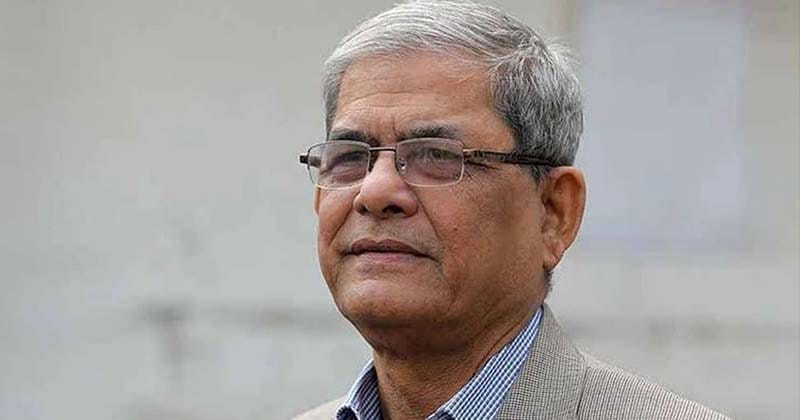
Mirza Fakhrul Islam Alamgir has been elected as Bangladesh’s 23rd President in the country’s first competitive presidential election in 35 years. The Bangladesh Nationalist Party (BNP) nominated him, and he defeated Colonel (Retd.) Oli Ahmad Bir Bikram with 255 of the 349 qualified votes. 88 votes were cast for Oli Ahmad Bir Bikram of the 11-party coalition led by Jamaat-e-Islami. Six MPs were either unable to cast a ballot or abstained, leaving 343 out of 349 voters. The Prime Minister, the Leader of the Opposition, several political parties, notable individuals, the United States, and China have all sent their congratulations to him since the Election Commission officially declared him the winner on the night of the results.
The last time a presidential election was really fought by a direct parliamentary vote was in 1991, when BNP’s Abdur Rahman Biswas beat Awami League’s Badrul Haider Chowdhury. From 1996 until 2023, just one candidate ran in each of the subsequent elections. Although Mr. Fakhrul’s victory was generally anticipated due to the BNP’s two-thirds majority in Parliament, this year’s election brought back genuine competition for the position; yet, the difference between the two candidates was still regarded as politically important.
Voting was held at the National Parliament’s session room on Thursday from 2:00 PM to 5:00 PM, and the results were then publicly counted. The procedure was overseen by Chief Election Commissioner AMM Nasir Uddin, who began with a recitation of the Quran before outlining the regulations, which were momentarily delayed due to a microphone issue. MPs received ballot papers at their seats, signed them, and cast their votes before placing them in one of three boxes. The first 20 minutes of the voting process were broadcast live. PM Tarique Rahman, Acting Speaker Barrister Kaisar Kamal, Acting President Hafiz Uddin Ahmed Bir Bikram, and other MPs, including Fakhrul, cast the first votes. Since he was not an MP, Colonel (Retd.) Oli Ahmad was unable to cast a ballot in his own election.
Six MPs did not vote. According to party Secretary General Ahmad Abdul Kader, Jamaat’s Gazi Nazrul Islam and Khelafat Majlis’s Abul Hasan also abstained, the latter apparently overseas, while BNP’s Mirza Abbas and Mostafa Kamal Pasha blamed sickness in written notifications. The election was ‘meaningless and a farce’, according to independent MP Rumeen Farhana, who purposefully abstained. Maulana Mahmudul Hossain Oliullah, the only MP for Islami Andolan, had declared he would abstain due to a perceived break from the July Charter agreement, but it turned out he did cast a ballot. 349 MPs, including reserved seats for women, were still able to vote after Aslam Chowdhury of the BNP lost his seat due to a court order.
The conclusion was virtually decided, due in part to Article 70, which removes MPs’ seats if they quit or vote against their party, but allows them to run in future elections. The first person to congratulate Fakhrul and give him red flowers was PM Tarique Rahman. Government Chief Whip Nurul Islam Moni has stated that Fakhrul would take the oath of office at Bangabhaban on Friday, August 21 at 7:30 PM. After Mohammed Shahabuddin resigned on July 24 and was solemnly bid farewell at Bangabhaban with a guard of honour from the Army’s President Guard Regiment, he took over as Acting President Hafiz Uddin Ahmed.
Mr. Fakhrul described the president as a symbol of national unity and trust and promised to serve with integrity, impartiality, and justice. Warmly congratulating him, Mr. Oli Ahmad called the contest a significant precedent, ending decades of uncontested elections. He also urged Fakhrul to prioritise national interest, accountability, and inclusive dialogue on state reforms, emphasising that the fight to defend democratic values and people’s rights continues after the election.
China expressed optimism that collaboration would benefit both countries in its congratulations message, which focused on strengthening bilateral ties and creating a shared future with Bangladesh. Citing High Commissioner Sarah Cooke’s prior connections with Fakhrul, the United Kingdom, through its Dhaka High Commission, expressed hope of fortifying its long-standing alliance with Bangladesh under the incoming President.
Political analysts see the election, which took place after 35 years of no real competition, as a turning point that could influence future presidential elections by going beyond merely formally endorsing the candidate of the ruling party and establishing a standard for increased democratic accountability in the choice of the head of state.