Hare Road Celebrates, Awaiting New President
Rezaur Rahman Shohag
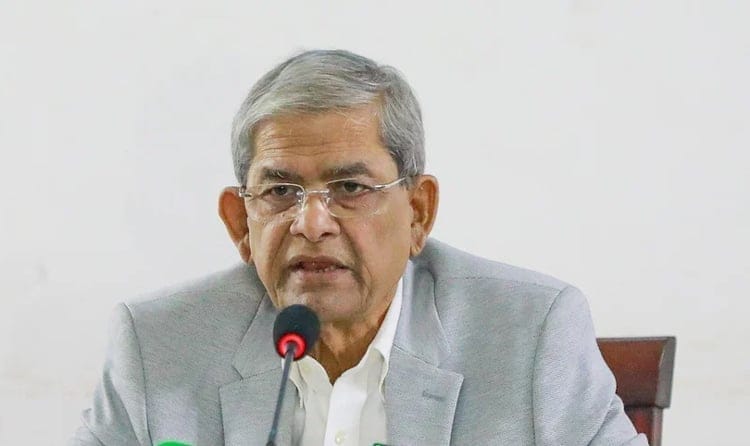
The election of former secretary general of the Bangladesh Nationalist Party (BNP), Mirza Fakhrul Islam Alamgir, as the country’s 23rd president is a significant move in the country’s changing political scene. Following his official swearing-in ceremony at Bangabhaban today, he formally accepts his elevated responsibilities as Head of State, signifying a major shift in national leadership, constitutional administration, and political governance throughout the country.
Bangladeshi politics, which have long been marked by intense political rivalry, decreasing democratic practice, and enduring polarisation between major parties, are at a critical point in time. In light of this difficult context, Mirza Fakhrul’s election is seen by many in the political, academic, media, and civil society domains as a positive step toward the establishment of a widely recognised political guardian who can promote executive stability, national unity, and meaningful inter-party communication in a period of transition.
The presidential choice was the subject of intense uncertainty, great expectation, and extensive public discussion in political circles and media for over a month. Mirza Fakhrul emerged as the well-known individual with broad public trust, institutional credibility, and cross-party respect among several potential candidates debated in policy rooms and media panels. He developed a strong reputation for honesty, unwavering commitment to public service, and upholding a composed, courteous, and productive manner in national political debate over his illustrious political career.
Furthermore, he had extreme personal hardships, repeated detentions, and political difficulties during the previous Awami League regime, which greatly increased popular compassion and widespread approval across many societal groups. A clear and motivating precedent for appropriately appreciating committed political leadership in the nation’s governance history is established by his official nomination by the BNP, which is widely regarded as a formal acknowledgement of his long-standing sacrifices, steadfast devotion to party ideals, and strong public standing.
Particularly in his home seat of Thakurgaon, which became a lively place of celebration characterised by spontaneous street meetings and public rallies, fans, party members, and regular residents responded to his election with enormous excitement. Every day, hundreds of well-wishers, journalists, sociocultural leaders, and members of the public came in a joyful setting at his official Hare Road house in Dhaka to personally welcome the newly elected Head of State, enjoy traditional sweets, and give their sincere congratulations.
Speaking at a private, intimate gathering at his home before the formal takeover, Mirza Fakhrul offered a very sentimental viewpoint on leaving active party politics to take on the impartial constitutional duty of president. Resigning from the BNP, the political platform he devotedly served for decades despite many hardships, was one of the most challenging, emotional, and painful times of his personal and political life, he said, expressing a deep affinity to his organisational origins.