Dhaka Faces Dual Crisis of Gas and Water Shortages
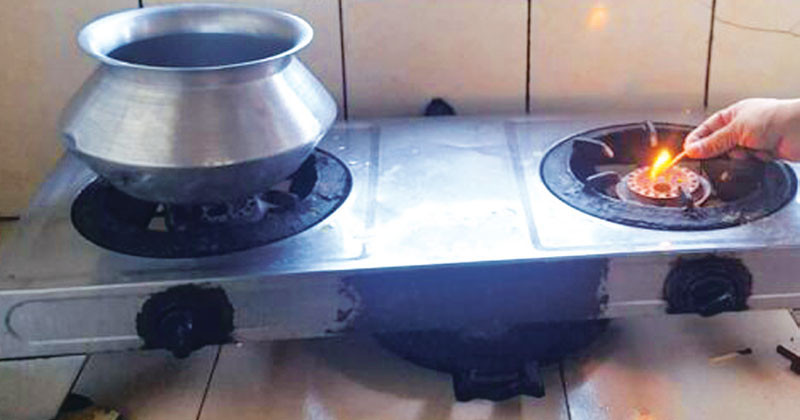
Dhaka residents are facing a growing crisis of gas and water shortages, adding to the daily hardship of city life. In many areas, households are struggling with low gas pressure or no gas for much of the day, while others are facing water shortages and complaints of dirty, yellowish and foul-smelling tap water. The shortages are disrupting cooking, bathing, washing and other daily activities. Residents say children, elderly people and working people are among those most affected. Many workers also spend extra time waiting to collect water in the early morning or at night.
The gas crisis has forced many families to use electric stoves, induction cookers or other alternatives. Some are also buying prepared food from outside. These measures have increased household expenses, especially for low- and middle-income families. The water crisis has created an additional financial burden. Families without a regular supply are buying bottled water or collecting water from private suppliers. However, larger amounts of water are also needed for cooking, bathing and other household work. Residents say the longer the crisis continues, the greater the financial pressure becomes.
Complaints of water shortages and poor water quality have been reported in several parts of the capital, including Mirpur, Kazipara, Sheorapara, Mirpur-11, Manipur, Basabo, Kadamtala, Mugda, Jatrabari, Khilgaon and Khilkhet. Residents of areas around Khilgaon Matir Masjid say they often have no water for most of the day and are forced to buy water for drinking. People in Basabo, Kadamtala, Mugda and Jatrabari have also complained about dirty water and foul smells. In some areas, the supply stops completely, while in others, residents receive discoloured and polluted water. Earlier this month, residents in parts of Mirpur reportedly waited for hours with pitchers and buckets to collect water. The shortage disrupted routine activities, including cooking, bathing and washing clothes.
Jalal Uddin, a resident of Jatrabari, said the situation had become particularly difficult because of power cuts, gas shortages and water problems. He said households have been facing one to two hours of load shedding a day, while intense heat has added to the suffering. Due to the gas shortage, families using LPG cylinders or induction stoves are spending an additional Tk 1,000 to Tk 2,000 per month. Dr. Adil Muhammad Khan, Executive Director of the Institute of Planning and Development (IPD), said, “Has the government planned where water, gas, and electricity will come from for the people? Any city in the world fails if there is no development control. We are not able to draw water from the ground and pump it, the water level is going down. It is not possible to maintain the long-term attractiveness of an area if safe water, electricity, and other civic services are not ensured”.