
Bay of Bengal Fish Crisis Puts Blue Economy at Risk
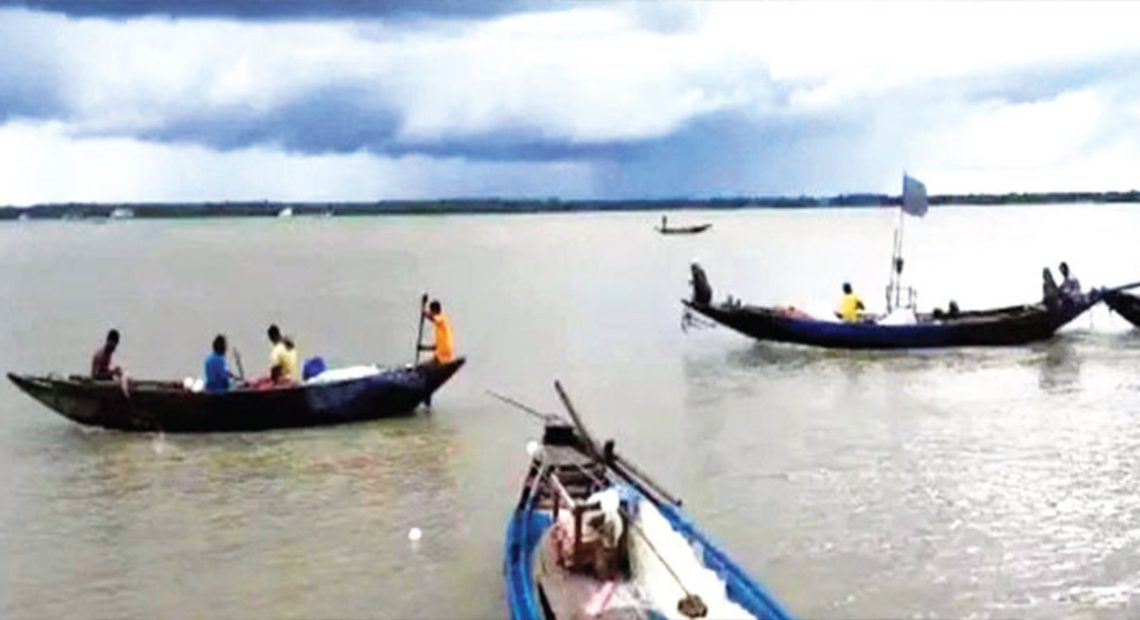
The Bay of Bengal, once known for its rich fish resources, is facing growing pressure from overfishing, unplanned trawling and the use of harmful fishing nets. Fishermen once regularly caught hilsa, rupchanda, popa, loita, churi, coral, tuna and many other species. However, experts and industry stakeholders warn that fish stocks are declining as breeding grounds are damaged and fish fry are caught along the coast. CIP Abdul Shukkur, a Cox’s Bazar fish trader involved in fish exports for years, said, “Once upon a time, the Bay of Bengal was a fish mine. Now it is slowly becoming fishless. There is talk of a blue economy, but if the fish resources of the sea cannot be protected, the blue economy will remain an empty slogan.”
According to the Department of Fisheries, Bangladesh produced 629,000 metric tonnes of marine fish in the 2023-24 fiscal year. The country’s marine waters are home to 475 recorded fish species. However, a recent fisheries assessment found that a large part of the marine fishery is already overexploited. Stocks of several large and high-value fish have declined, while shrimp biomass has also shown a long-term downward trend. He said deep-sea trawlers catch not only large fish but also small fish and other marine species. Near the coast, harmful nets are used to catch shrimp fry and other young fish, disrupting natural
The Fisheries Department has warned that wild shrimp-fry collection can seriously damage the reproduction and recruitment of marine and coastal fish. It has also called for tighter control of destructive fishing gear, including harmful nets and gillnets. The department currently lists 237 industrial trawlers, along with many other mechanised and technical vessels, as involved in marine fishing. The decline in fish stocks has also affected Cox’s Bazar’s fish-processing and export industry. He said, “Once upon a time, a large amount of white fish or white pupa fish was exported from Cox’s Bazar. There was a time when 1,500 to 1,800 metric tons of pupa fish were exported from Cox’s Bazar alone every year. It was possible to earn foreign exchange worth hundreds of crores of taka by exporting this fish.”
He said around 18 fish-processing and export factories once operated in Cox’s Bazar, mainly focusing on popa fish, but most have closed as fish availability declined. The Fisheries Department says Bangladesh still has significant untapped potential in its maritime territory and exclusive economic zone. It plans to assess fish stocks and determine sustainable catch limits. He also said, “There will be no benefit if we just increase the harvest without protecting and managing deep-sea fisheries. How much fish there are, how much of which species can be harvested, and in which areas fishing should be stopped during which seasons should be determined scientifically.”
He called for coordinated action, including stronger monitoring, control of harmful nets, seasonal and area-based fishing bans, trawler monitoring, fisheries surveys and alternative livelihoods for fishermen. The decline in marine fisheries threatens not only biodiversity but also food security, employment, foreign exchange earnings and the coastal economy. He said, “To reap the benefits of the blue economy, we must first save the Bay of Bengal. The ocean cannot be seen as just a place of extraction; it must be nurtured and preserved.”