Drug Menace Ravaging Lives, Leaving Youth in Ruins
By Abu Hena Mukti
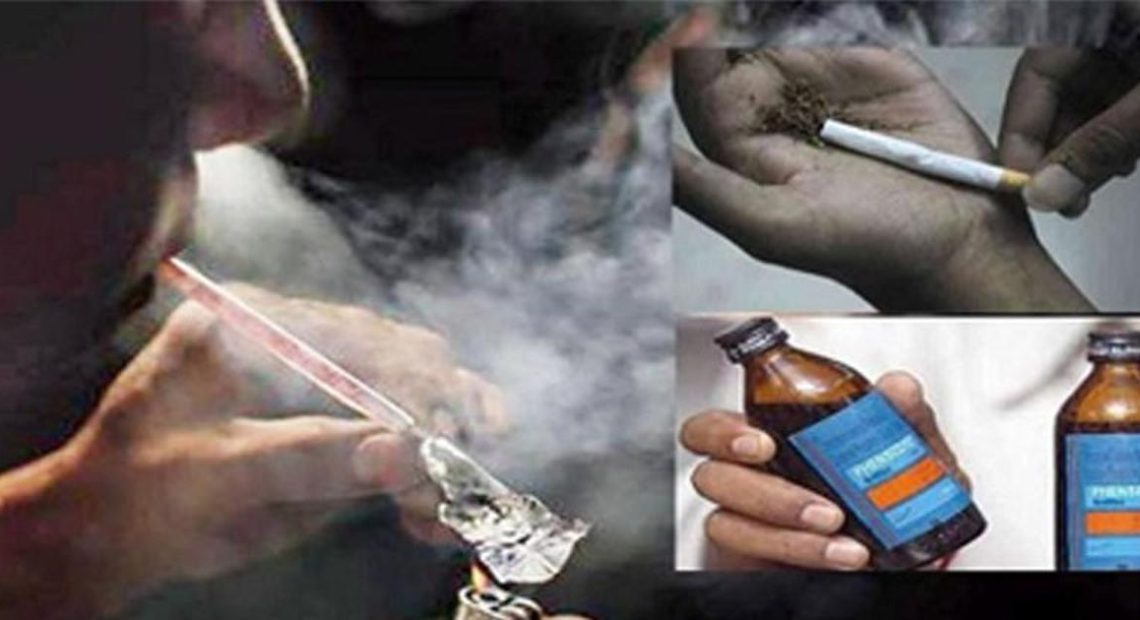
Life in southwestern Bangladesh has been severely affected by the growing drug menace. The spread of phensedyl, cannabis and yaba tablets has reached an alarming level. Despite strict administrative monitoring and occasional anti-drug operations by law enforcement agencies, the surge in this deadly addiction has not been contained. Phensedyl, cannabis and yaba have become readily available from district towns to remote areas at the upazila level, pushing local youth towards a dark future.
The drug menace is directly affecting law and order. Young men and women addicted to drugs are becoming involved in theft, snatching, extortion and various gang activities to obtain money to buy drugs. In many cases, they regularly steal savings and jewellery from their own families. Hundreds of families are facing daily unrest and conflict because of drug-addicted children, sometimes leading to serious crimes such as murder or suicide.
An analysis of murder incidents in Khulna has found a significant rise in the use of illegal firearms. Several intelligence agencies say underworld kingpins are investing heavily in weapons to exert influence over the drug trade. They reportedly bring the weapons through smuggling routes from India. Pistols and revolvers are the preferred firearms of criminals. They spend Tk 150,000 to Tk 200,000 to buy a foreign-made pistol. The Jashore and Satkhira border areas are considered easy routes for arms smuggling.
Border areas and waterways are being used as major routes for bringing drugs into Khulna. Large consignments are transported from Cox’s Bazar and Chattogram to Khulna through long-distance buses, trucks and courier services using innovative methods. Drug smuggling is also spreading into Khulna’s markets through the Satkhira and Jashore borders. Drug traffickers are adopting new tactics to secure consignments, making them difficult to detect even during searches.
The drug menace across the upazilas of Khulna, Satkhira, Jashore, Narail and Bagerhat is no longer a hidden issue but has become an open and serious social scourge. Drug syndicates have emerged in every corner, from cities to remote villages. Drug dealers are expanding their lucrative trade in yaba, phensedyl and cannabis. The region’s emerging youth are now on the brink of destruction because of drugs. Theft, snatching, juvenile gang activity and domestic violence are increasing rapidly. Despite the alarming situation at the grassroots level, public anger and questions are growing over the open movement of drug kingpins and the lack of visible and effective action by the administration and civil society to stop them.
According to sources, deadly drugs are being sold openly through syndicates at various points across the greater Khulna region under the patronage of politically and socially influential groups. Drug traffickers are using new and sophisticated methods to evade law enforcement. School and college students and unemployed youths are becoming addicted. To afford expensive drugs, previously peaceful teenagers and young people are becoming involved in various serious criminal activities. As a result, social security and the chain of command across the southwestern region are under severe threat. Middle- and lower-income families are bearing the greatest burden of the drug menace. Hundreds of parents are living in extreme anxiety over their children’s uncertain futures. Drug-related domestic conflicts, attacks by children on their parents, fights and divorces are increasing at an alarming rate.
Teachers, civil society representatives and concerned citizens in the region have expressed deep concern, saying that unless the drug problem is eradicated immediately, the future generation of the entire southwestern region will be crippled. They expressed frustration that the problem cannot be solved by arresting only small-scale dealers. They called for the main drug kingpins to be identified, arrested swiftly and given exemplary punishment, regardless of their political or social influence.
Meanwhile, the public has gained some relief after the Khulna police commissioner, DIG and SP were given a one-month deadline, but experienced observers remain doubtful about whether the situation will change within that period. Professor Enayet Ali Biswas, a civil society representative, said, “We have not seen much progress in the past five or six days. Crimes continue to occur one after another. However, we are not losing hope. We are waiting for more time.”
Afroza Akter Manju, executive director of Mukti Sheba Sangstha, told Inqilab that the harmful effects of drugs have reached an extremely severe level in southwestern Bangladesh, affecting physical, mental, social, economic and political life. Drug users may experience drowsiness, mood changes, mental imbalance, reduced urination, sexual arousal and changes in nervous system activity, among various other adverse effects. Drug use can impair normal reproductive capacity and cause long-term damage to the heart and lungs. Drugs can also damage and disrupt the brain’s ability to control behaviour, resulting in erratic behaviour, inattention, irresponsibility, laziness, lack of motivation, memory loss, restlessness, irritability, loss of interest in close relatives and loved ones, and reduced affection and emotional attachment. Some drugs can damage the kidneys, which function as the body’s filtering organs, while millions of brain cells can also be destroyed.