Helpless amid dengue, measles
- Failure to control dengue despite spending crores of Taka;
- 986 deaths from measles symptoms and confirmed measles in five and a half months;
- Four die of dengue and 3 children with measles symptoms in a day
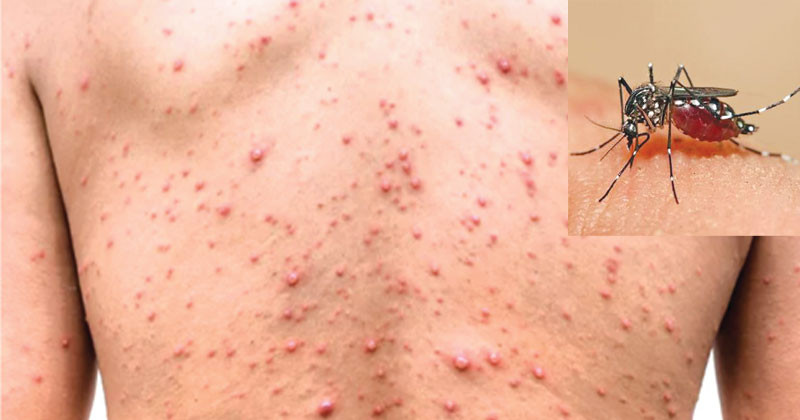
Deaths from dengue and measles symptoms have increased across the country, including the capital. The number of patients in hospitals is increasing every day. Hospital admissions and deaths among children with measles symptoms, in particular, are rising at an alarming rate. Meanwhile, mosquito-borne dengue has also become frightening. But despite daily deaths, overcrowded hospitals and warnings from doctors, the desired level of action to control the two diseases is not being seen.
Public health experts say the situation cannot be brought under control through hospital-based treatment alone in the case of measles. They said rapid detection, isolation of infected people, filling vaccination gaps and increasing surveillance in remote areas are necessary. Complications from measles can quickly become serious in children, they said. Malnutrition, pneumonia, dehydration and other infections make the situation even more complicated, according to them.
They said controlling dengue requires coordinated efforts from local government institutions, the health department, educational institutions, homeowners and the general public. Breeding grounds for Aedes mosquitoes must be destroyed and public awareness increased throughout the year, they added. Stagnant clean water inside and outside homes can become a safe breeding ground for Aedes mosquitoes, the experts said. Therefore, they are emphasizing preventing water from accumulating in flowerpots, coconut shells, discarded plastic containers, construction materials or anywhere else.
Four more people died of mosquito-borne dengue in the country in the past 24 hours. With this, the total number of deaths from dengue infection this year has reached 111. The information was revealed in the regular dengue report of the Directorate General of Health Services (DGHS) yesterday.According to the DGHS, 43 people died of dengue in August. Besides, two died in January, two in February, one in May, 13 in June and 36 in July. In September this year, 14 people have died in three days.
Another 1,152 dengue patients were admitted to hospitals in the past 24 hours. During this period, 101 dengue patients were admitted in the Dhaka North City Corporation area, 135 in the Dhaka South City Corporation area and 227 outside the two Dhaka city corporation areas.
Among the other divisions, 119 patients were admitted in Barishal, 194 in Chattogram, 247 in Khulna, 87 in Mymensingh, 109 in Rajshahi, 27 in Rangpur and six in Sylhet.
From January 1 this year until now, a total of 39,532 dengue patients have been admitted to hospitals across the country. Of them, 36,467 have recovered and left hospitals. At present, 2,954 dengue patients are undergoing treatment at different hospitals across the country.
Meanwhile, three children died with measles symptoms in the past 24 hours. With this, the number of deaths from suspected measles has risen to 887. The information was disclosed in a measles-related press release issued by the DGHS yesterday afternoon. According to the DGHS report, a total of 986 children have died of measles and measles symptoms across the country since March 15. Of them, 99 died of confirmed measles. In the past 24 hours, two people died in Dhaka and one in Sylhet, the DGHS said.
The DGHS said 1,044 children were affected by measles in the past 24 hours. Of them, 80 were confirmed measles cases, while 964 children were identified as suspected measles cases. Since March 15, a total of 161,148 patients suspected of having measles have been identified across the country, while 19,527 confirmed measles cases have been identified.
However, 141,449 patients were admitted to hospitals during this period. Of them, 136,405 patients have been discharged. Dhaka division is leading in both measles-related deaths and identified cases, followed by Rajshahi, Chattogram, Khulna, Barishal, Rangpur, Mymensingh and Sylhet divisions.
It has been learned that although the two Dhaka city corporations spent more than Tk 1,000 crore on mosquito control over the past 10 years, they have failed to bring the dengue situation under control. A survey by the Dhaka South City Corporation (DSCC) also revealed alarming information. Aedes mosquito density was found to be much higher than the prescribed standard in 63 of the 75 wards. Of these, 28 wards have been identified as “high-risk” areas.
From fiscal 2016-17 to 2025-26, Dhaka North City Corporation spent Tk 688.39 crore on mosquito control, while Dhaka South City Corporation spent Tk 323.63 crore. In fiscal 2025-26 alone, Dhaka North City Corporation had allocated Tk 187.75 crore for mosquito control, while Dhaka South City Corporation had allocated Tk 53.50 crore. In the current fiscal 2026-27, DNCC increased its allocation for mosquito eradication to Tk 207 crore. DSCC has allocated Tk 121.66 crore for dengue and mosquito control.
Public health expert Prof. Dr. Benazir Ahmed said Aedes mosquitoes are breeding in stagnant water in plastic bottles, construction sites and various corners of homes. “Therefore, every family must take responsibility for keeping their own homes and surroundings clean,” he said. “Water that has remained stagnant for more than three days must be removed, and people should develop the habit of using mosquito nets both during the day and at night,” Prof. Dr. Benazir Ahmed said.
He added that it would not be possible to tackle the crisis by relying solely on government or city corporation mosquito eradication programmes to prevent dengue. “In this regard, spontaneous and active participation from every citizen is essential,” he said.