Solar power keeps industries running
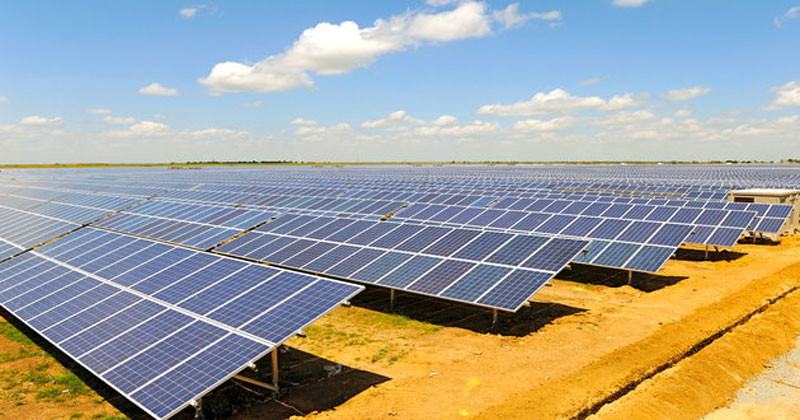
- Power plants now on factory rooftops
Factory production is no longer grinding to a halt when grid power goes out. Amid this grueling stretch of load-shedding and gas shortages, the country’s industrialists are converting their factory rooftops into solar power plants. Beyond cutting electricity bills or meeting foreign buyers’ carbon-emission requirements, rooftop solar has become a reliable way to keep production running even during national grid breakdowns. More than 600 megawatts of solar capacity has already been installed across the country’s industries, with the bulk in ready-made garments, though large electronics, steel, glass, ceramics, and textile firms are also rapidly expanding this capacity.
Walton Group’s factories now generate 32 megawatts of electricity from rooftop solar, about 30 percent of their total demand, with plans to add another 25 megawatts, which would let them meet 60 percent of total demand by year-end. The system, which produces around 28,500 megawatt-hours a year, costs just Tk 4.20 per unit — roughly a quarter of the cost of diesel or gas generators. This solar power especially reduces grid dependence during daytime load-shedding, and with battery storage, can also be used after sunset.
At Akij Bashir Group’s Janata Jute Mills in Ghorashal, Narsingdi, a 25-megawatt solar installation has been set up that produces a surplus against 21 megawatts of demand. With battery storage in place, the factory runs on solar power even after sunset. The group’s project manager said the system has freed them from load-shedding troubles and enabled low-cost power generation. At Akij Glass’s factory in Habiganj, another 13 megawatts of solar has been installed, including 8 megawatts of battery storage; their various factories currently have about 90 megawatts of solar capacity, with another 50 megawatts underway.
Pran-RFL Group has installed about 35 megawatts of solar across 20 of its factories, covering 15-16 percent of its total 180-megawatt demand. The group’s marketing director said that although some factories had to shut down in recent weeks due to load-shedding and gas shortages, having solar power gave them some relief; their goal is to meet 100 percent of demand with solar by 2027. Rising Group’s managing director said that while they were forced into solar in 2019 to cope with the gas crisis, it is now a purely business decision, since solar costs roughly half that of grid electricity.
The math is clear for factory owners: industrial grid electricity costs about Tk 12.73 to Tk 12.85 per unit, rising to Tk 16 during night peak hours, while rooftop solar costs just Tk 4 to 8 per unit. Installation costs have also dropped sharply — from about Tk 5 crore per megawatt five years ago to around Tk 3 crore now. Solar plants have a lifespan of about 20-25 years, with little cost beyond maintenance after the initial investment.
This trend is spreading fast among major industrial groups. Abul Khair Steel, Ha-Meem Group, BSRM, Meghna Group, DBL Group, Apex Footwear, and many other companies have already installed solar or are expanding capacity. DBL Group’s managing director said they are investing rapidly in solar for two reasons: energy security and pressure from foreign buyers. Meghna Group has installed 64.84 megawatts of solar and plans to add another 50 megawatts, exploring creative options for panels not just on rooftops but also on building facades, boundary walls, and road dividers.
The government has also stepped in to encourage industrialists. Under a gazette published on 1 September, the “Net Metering Guidelines 2025” will have the government pay Tk 10.50 per unit for surplus electricity supplied to the national grid by industries. The production cost of battery-based solar systems has been set at Tk 8 per unit, with a 20 percent profit margin and premium added to determine the price. This incentive could encourage industrial consumers to generate more electricity than their own needs require.
But for factories facing daily power outages, the biggest incentive is already visible on the factory floor: solar keeps machines running even when the grid goes dark. Rooftop solar may not meet a large factory’s entire demand, but even a few hours of self-generated power can prevent unwanted shutdowns and reduce reliance on costly generators. As the energy crisis deepens, this ability to keep the wheels of industry turning is becoming increasingly valuable by the day.