
‘Inclusive and sustainable progress will ensure dignity and fairness for working people’
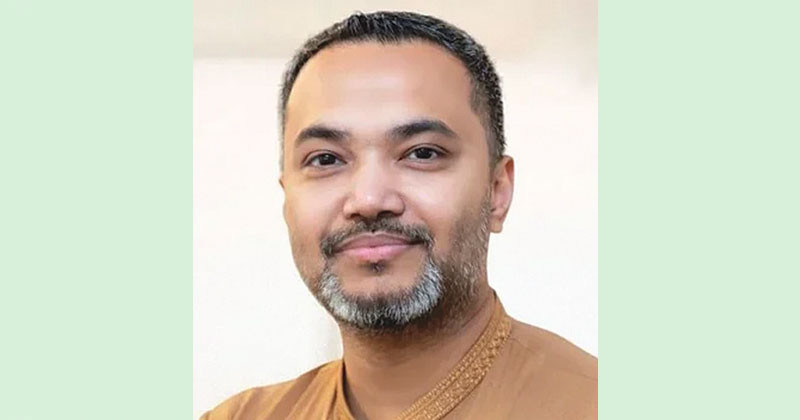
Mr. Mahdi Amin, Adviser to the Prime Minister on the Ministry of Labour and Employment and the Ministry of Expatriates’ Welfare and Overseas Employment, said that workers’ welfare does not mean the welfare of just one worker, but the security of an entire family. He said skilled workers are among the country’s greatest productive assets, and that as workers’ skills grow, so does industrial capacity and national competitiveness, adding that workers’ skills must keep pace with technological change. He described working people as the main driving force of the national economy, emphasizing their sustainable security, dignity, and skills development.
He made these remarks yesterday, Saturday, at the conference and general meeting of the Bangladesh Institute of Labour Studies (BILS) at the Institution of Diploma Engineers in Kakrail, in the capital. The meeting, themed “A pledge to move forward in ensuring dignity, rights and fair share,” was held there. Mr. Mahdi Amin said workers do not merely provide labor — they keep the wheels of the country’s economy turning, and that ensuring the dignity of labor means ensuring the dignity of the nation.
He said fair wages are not a favor but a worker’s rightful due, and that a safe working environment is every worker’s basic right. He repeated that workers’ welfare means securing not just an individual worker but an entire family, that skilled workers are among the country’s largest productive assets, and that industrial capacity and national competitiveness grow as worker skills grow, stressing that skills must evolve alongside technological change. This spokesperson for the Prime Minister’s Office emphasized investment in workers’ skills and technological capability to prepare the next generation’s workforce for new industries and new jobs while increasing productivity.
Calling for good owner-worker relations and partnership to maintain stability in the industrial sector, he said owners and workers must work shoulder to shoulder to ensure industrial development, adding that the government plans to move the industrial sector forward through its “Tripartite Consultation” system. Mr. Mahdi Amin said the relationship between owners and workers cannot remain confined to mere formality — it must be built on trust, mutual dependence, and deep goodwill, and that regular, effective communication, responsibility, and mutual trust must be established between both sides to build a sustainable industrial system. He said justice in the workplace builds trust, and trust increases production, and that ensuring women workers’ safety and equal opportunity also strengthens the economy’s capacity — adding that the number of jobs created matters, but so does their quality.
He said it is also part of workers’ welfare that workers’ children get the chance for better education and bigger dreams, adding that preparing today’s workforce for tomorrow’s changes will be one of the country’s greatest investments. He said a prosperous Bangladesh will be built through the combination of labor’s strength, industrial capacity, and state responsibility. Emphasizing skilled manpower and technological capacity to meet the challenges of the 21st century, Mr. Mahdi Amin said skilled workers are the country’s principal productive asset, and that workers’ professional skills must be enhanced in step with changing technology and global demand so that industrial capacity and international competitiveness increase manifold.
Calling for investment in modern training now to create new industries and quality jobs for the next generation, he stressed not just the quantity of employment but also decent work and social inclusion. Recalling workers’ historic contribution to the country’s political and social achievements, Mr. Mahdi Amin said working people have repeatedly taken to the streets in every democratic movement in the country’s history, including the July mass uprising, rising above their own interests for the nation’s welfare, people’s rights, and truth and justice — a courageous stand he called a unique chapter in national history. Stressing that workers’ opinions must be prioritized in running the state and that sustainable solutions must be sought in light of industrial realities, he said ensuring justice in the workplace requires building a system of governance in which protecting workers’ basic rights and industrial growth and development flow in the same direction. Mr. Mahdi Amin said ensuring the security, dignity, and protection of the country’s large female population is essential for genuinely inclusive development, adding that in creating new jobs, the government’s priority must be not just the number of jobs but also decent work, fair wages, and dignity for workers’ labor.
He said a prosperous, self-reliant Bangladesh will be built through the combination of workers’ labor power, industry’s dynamic capacity, and state responsibility, expressing hope that the country would move forward under the elected Prime Minister’s leadership by embracing these aspirations of the working community. Mr. Mahdi Amin also praised BILS’s three-decade journey and its contribution to protecting labor rights, saying the organization has long carried out extensive work in establishing labor rights and protecting workers’ freedom and security, with the country’s leading labor rights activists and international development partners playing a continuous role in it.