
New Initiative to Generate 4,000MW of Electricity
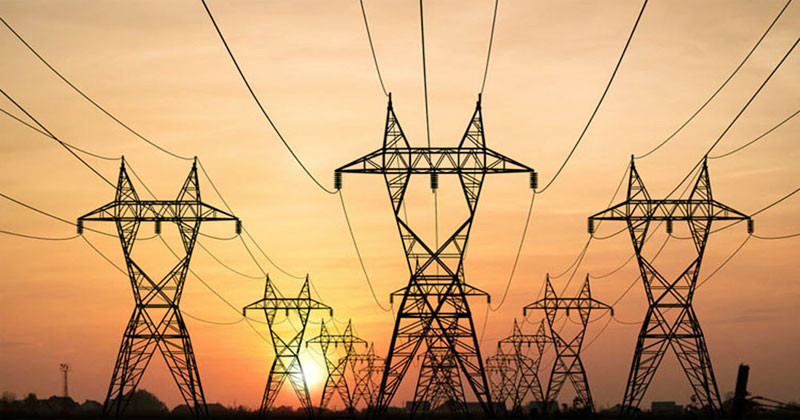
In order to address the ongoing power crisis in the country and to maintain uninterrupted power supply to the national grid, steps have been taken to increase power generation from liquid fuel or heavy fuel oil (HFO)-based power plants. A target of generating an average of 4,000 megawatts of electricity daily has been set from these power plants. Considering the financial crisis of BPDB, an interest-free amount of Taka 6,000 crore has been released from the Ministry of Finance to procure the necessary fuel oil to implement this target.
Due to the wrong policies of the fallen Awami League government, the electricity sector has to pay a huge amount of subsidies every year. In short, it has reached a loss-making stage. In the last seven years, subsidies in this sector have increased more than seven times, which is 633 percent in percentage terms. In the last fiscal year 2020-2021, the government had to pay 8,945 crore taka in subsidies to the electricity sector.
The money was released on Sunday with the approval of Finance Minister Amir Khosru Mahmud Chowdhury, according to BPDB. Prime Minister Tarique Rahman also discussed various ways to increase gas supply to industry during a meeting with private entrepreneurs on August 1.
There, it was decided to consider the issue of sharing the gas supply time from the CNG station. It was also decided to give the necessary approval if private entrepreneurs want to transport Bhola gas in trucks. An interim arrangement is being made to increase oil-based electricity and shift it to the gas industry of the power plant until the third FSRU is launched. Sources said that due to the shortage of gas supply in the national grid, it is not possible to run many gas-based power plants in the country at full capacity. On the other hand, although the total generation capacity of liquid fuel-based plants is about 5,637 MW (about 19.58% of the total capacity), the bills of private independent power producers (IPPs) were arrears due to financial crisis. Keeping the liquid fuel plants operating at full plant factor and generating 4,000 MW of electricity daily requires a huge amount of fuel every month. According to estimates, approximately 6,30,500 metric tons of liquid fuel will have to be purchased every month, the market price of which (at about 100 Taka per liter) is about 6,500 crore Taka.Earlier, on August 21, a policy decision was taken to increase liquid fuel-based power generation in a meeting of the Minister of Power, Energy and Mineral Resources, State Minister, Secretary of the Power Division and the Chairman of BPDB. BPDB requested a one-time loan of 6,500 crore taka through the Power Division, which was proposed to be adjusted by deducting 1,000 crore taka every month from the government subsidy bill for the next seven months. Later, the Finance Division analyzed the overall aspects and approved 6,000 crore taka as an interest-free loan from the operating loan section of the current 2026-27 fiscal year budget. However, four conditions have been attached to this.
According to sources in the Ministry of Finance, subsidies payable to IPP, RPP and joint ventures in the power sector have already been paid regularly until July 2026. This new exemption of 6,000 crore taka will ensure cash flow for the power plants to pay their arrears and purchase new fuel.
The national grid will greatly reduce the level of load shedding. However, this huge amount of interest-free loans and long-term subsidy combination is increasing the structural operating costs of the power sector. To ensure future energy security, it is necessary to reduce dependence on IPP and oil-based power, and emphasize sustainable institutional reforms and primary fuel gas and coal supply, the Finance Department said. Subsidies in the power sector have increased by leaps and bounds every year due to purchasing electricity at high prices from domestic and foreign companies through opaque contracts. For example, in the fiscal year 2021-2022, the subsidy required in this sector was 11,963 crore taka. In the following fiscal year, it increased by 23,000 crore taka. In the fiscal year 2023-2024, it increased by 10,000 crore taka to 33,000 crore taka. In the fiscal year 2024-2025, it has doubled to 62,000 crore taka. In the current fiscal year (2025-2026), it will be 62,964 crore taka.