Qawmi Madrasas Support Education and Moral Development of Poor Children
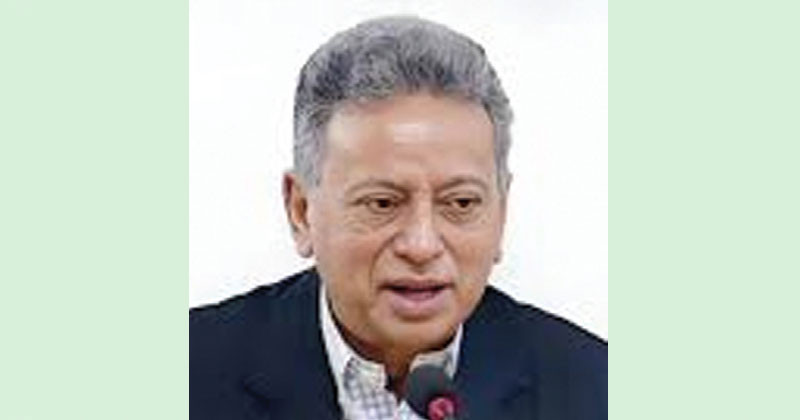
Finance Minister Amir Khasru Mahmud Chowdhury said that Qawmi Madrasas are working to build the education and morality of the children of the poor. About 80,000 Qawmi Madrasas in the country are fulfilling their state responsibility to build the literacy or moral education character of the children of poor families by collecting zakat. He said this in response to a question from Md. Ruhul Amin, Member of Parliament for Chuadanga-2 constituency, during the question and answer session of the parliament session yesterday. Amir Khasru Mahmud Chowdhury said that the Government Zakat Fund Department has been working since 1982 under the management of the Islamic Foundation under the Ministry of Religion to collect zakat and distribute it among the beneficiaries. The Zakat Act was enacted in 2023.
He said, a high-powered committee has been formed by the Prime Minister Tarique Rahman in his personal interest and from the Prime Minister’s Office. The committee is working to improve the Zakat system based on the opinions of the Islamic Foundation and top Ulama-e-Kiram. Based on the recommendations of the committee, the formation of the Zakat Board and the reform work to accelerate and modernize the work of the Zakat Department nationwide are underway. The recommendations of the committee are being implemented in phases. In addition, initiatives have been taken to facilitate the collection of domestic and foreign Zakat. With the support of the NBR, a tax rebate system is in place by adding the receipt of Zakat payment to the government Zakat fund to the tax return.
The minister said that in the context of Bangladesh, madrasas, maktabs, orphanages and many private organizations across the country collect zakat and provide education and initiation for millions of poor students. In particular, about 80,000 Qawmi madrasas are fulfilling the state responsibility of building literacy or moral education character of children from poor families by collecting zakat. Through this, work is being done to pay zakat to the wealthy and alleviate poverty. Many private organizations work with zakat. They work for financial assistance and rehabilitation of their members. The zakat sector, like Hajj pilgrim services and mosque construction, has been run privately for ages.
The Finance Minister said, within the scope of the Government Zakat Fund Department, the democratic government adopts the policy of considering the interests of the larger religious community, as well as the main source of funds for madrasas and orphanages, as a cohesive force. If the Prime Minister’s plan and the steps taken by the current government are implemented, the overall Zakat system will be more widely trusted and dynamic.
The per capita debt of the country’s people is 1 lakh 29 thousand 239 taka, in response to a written question from Kushtia-1 constituency MP Reza Ahmed, the Finance Minister said that currently the per capita debt of the country’s people is more than 1 lakh 29 thousand 239 taka. MP Reza Ahmed wanted to know from the Finance Minister, ‘What is the current per capita debt of the country’s people, how much was it in 2026 and what steps has the government taken to reduce the debt burden?’ In response, Amir Khasru Mahmud Chowdhury said that as of March 31, 2026, the per capita debt of the country’s people was 1 lakh 29 thousand 239.19 taka.
Meanwhile, Bagerhat-4 constituency MP Md. Abdul in response to a question from Alim, he said that the amount of defaulted loans in six state-owned banks is 1 lakh 47 thousand 776 crore 36 lakh taka. Out of this, Janata Bank PLC has the highest defaulted loan. The amount of defaulted loans of Janata Bank is 75 thousand 396 crore 67 thousand taka.