
Uttarakhand Shuts Down Madrasas; 17 Already Sealed
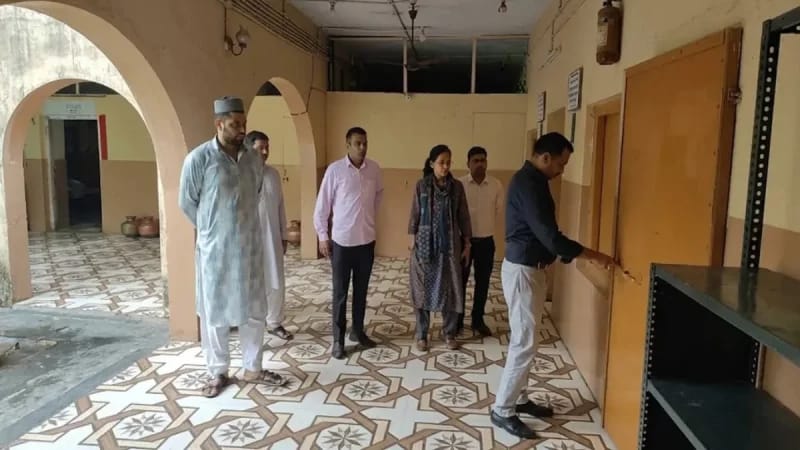
Twenty madrasas have been closed so far for breaking regulatory permits and educational standards as a result of the Uttarakhand government’s increased crackdown on unauthorized madrasas around the state. Authorities have shut 17 of these businesses, according to a recent report by The Indian Express, and the management of the other three has provided written statements attesting to the immediate suspension of their activities. Initially focusing on a number of districts, this massive enforcement campaign has already reached big cities like Dehradun and Haldwani.
Mr. Parag Madhukar Dhakate, Special Secretary for Minority Welfare, emphasized that no facility would be allowed to function without complying with government laws and that severe action is being taken against establishments that fail to meet the required recognition and educational qualifications. The most recent activities included the voluntary written closures of Madrasa Dar-I-Arqam and Darul Uloom Rahimia, as well as the sealing of the Jamia-Tus-Salam Al-Islamia madrasa in Dehradun’s Azad Colony. Similarly, Madrasa Jamia Nuria Barkate Amina and an unlicensed institution in Banbhoolpura were sealed by Haldwani officials due to their failure to provide the required recognition paperwork.
The state government’s July decision to dissolve the statutory madrasa board and create a new, all-encompassing body to oversee educational establishments managed by minorities sparked this regulatory reform. To emphasize contemporary and high-quality education, this revised framework includes Muslim schools as well as those operated by Christian, Sikh, Parsi, Jain, and Buddhist groups. According to state records, there were 452 madrasas that were recognized before this framework, as a result of earlier operations that sealed over 200 institutions for not submitting an application for recognition.
According to Chief Minister Mr. Pushkar Singh Dhami, there will be no mercy when it comes to children’s education, and any non-compliant businesses will continue to face legal punishment. The Supreme Court of India made important findings on an Uttar Pradesh case in 2024, and this state-level enforcement is consistent with more general legal cases. The Supreme Court decided that although minority groups have the constitutional freedom to create and run educational institutions, the state is still able to enforce the rules required to guarantee appropriate educational standards.
Source: The Indian Express