Govt Following ‘3R’ Strategy to Rebuild a Battered Bangladesh: PM
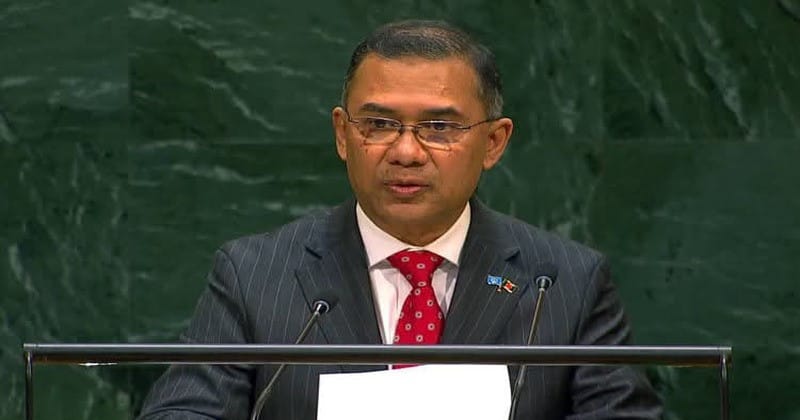
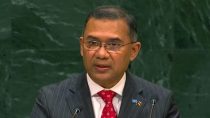
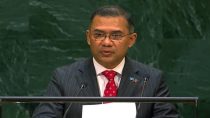
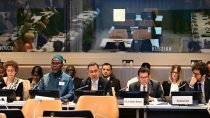
In an address to the United Nations General Assembly in New York, Prime Minister Tarique Rahman declared that Bangladesh has embarked on a democratic revival following its liberation from fascism in 2024. He stated that the nation was freed from the curses of enforced disappearances, extrajudicial killings, abductions, and widespread financial corruption that had become normalized under the previous regime. To rebuild the severely damaged nation, his administration is pursuing a comprehensive ‘3R’ strategy- Recovery, Restoration, and Reconstruction.
To harness the nation’s demographic dividend, the government has launched extensive programs aimed at transforming the active workforce into a highly skilled human resource. A significant allocation of $4 billion has been set aside in the current fiscal year to empower young entrepreneurs, researchers, and innovators in implementing startup initiatives. Highlighting the immense potential of the youth, the PM explicitly invited international development partners to join Bangladesh in this ambitious national transformation effort.
Recognizing that women constitute over half the total population, the government has placed them at the forefront of all socio-economic planning. Initiatives include free education for female students up to the graduate level and expanded cash financing to foster entrepreneurship, particularly within the small and medium enterprise sector. The Family Card, issued under female heads of households as a symbol of women’s economic empowerment, will eventually be integrated with other sector-specific assistance cards into a single universal card.
The government is actively implementing its 31-point program introduced before the February 12 national elections, with over 73 percent of its activities aligning directly with the UN Sustainable Development Goals principle of ‘Leave No One Behind.’ Education, health, and sports have received the highest budget allocations in the country’s history, alongside a revised curriculum focusing on practical and market-oriented learning. These measures aim to bridge the gap between urban and rural development while ensuring both political and economic democracy.
Addressing global technological advances, the PM emphasized the necessity of equal access to Artificial Intelligence, biotechnology, and modern science. ‘We do not want today’s digital divide to turn into tomorrow’s AI divide,’ he stated, calling on the United Nations to establish an effective framework that harnesses technology while ensuring technology transfer and affordable access for developing nations. He also stressed that smooth international support, including sustainable financing and market access, remains vital as Bangladesh prepares to graduate from the LDC category.
Reflecting on global challenges such as the COVID-19 pandemic, PM Tarique Rahman called for regional trade support, efficient connectivity, and local production of medical supplies to foster mutual prosperity and resilience. Reaffirming his commitment to human rights, political stability, and a safe investment climate, he assured domestic and foreign investors of a business-friendly environment. He declared, ‘A state can never be strong if its citizens remain disempowered,’ emphasizing equal rights, honor, and dignity for all citizens regardless of background.
Concluding his address at the UN Headquarters, the PM expressed his vision to build an inclusive nation where youth can fearlessly pursue their dreams and women can live with complete confidence. “We want to build a Bangladesh where youth can fearlessly pursue their dreams, women can live with confidence, children can grow up realizing their full potential, and all citizens are assured of a safe and peaceful life. That is why we say, ‘Bangladesh First, Bangladesh for All,’” he affirmed, reiterating Bangladesh’s unwavering solidarity with global humanity.