
Another Government Falls Following Student Protests
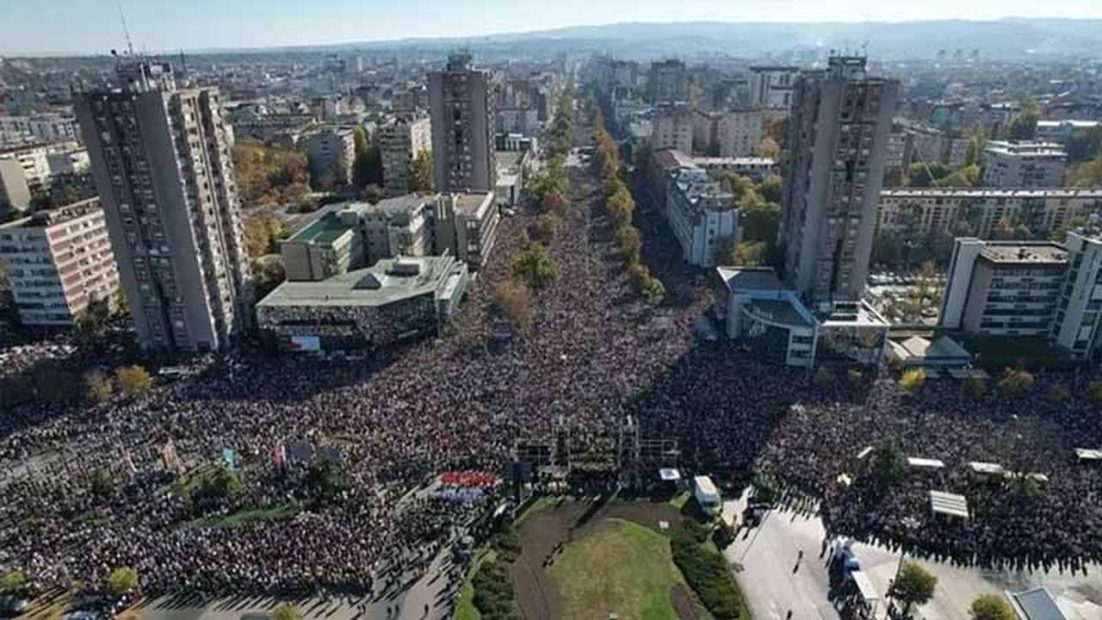
Serbian President Aleksandar Vučić has resigned amid student-led protests that had continued for more than a year over allegations of corruption and irregularities, as well as growing public discontent.
Speaking to supporters outside the presidential residence in the capital Belgrade, Vučić said he had maintained peace and stability in the country during his nine years in office. He had announced his intention to resign in June.
Under Serbia’s Constitution, Vučić cannot run for a third term as president. However, he plans to contest the upcoming parliamentary election for his Serbian Progressive Party and seek the post of prime minister.
Public anger over allegations of corruption and irregularities against Vučić’s government had been building for years. The collapse of the roof at a railway station in Novi Sad in 2024, which killed 16 people, further intensified the anger. Students, teachers, workers, farmers and people from various sections of society subsequently joined the protests.
Several government officials resigned in an attempt to calm the protesters, but the movement continued. The situation became more tense after the government deployed police. Police were also accused of assault, abuse and repression. Protesters demanded Vučić’s resignation as well as a new presidential election.
Vučić’s resignation will trigger a fresh presidential election in Serbia.
Under the country’s Constitution, an election must be held within three months of the president’s resignation. A parliamentary election is also scheduled for late October. As a result, Serbia’s voters may have to vote twice this year.
Vučić said the presidential election would be held slightly more than a month after the parliamentary election. Until a new president is elected, parliamentary speaker Ana Brnabić will serve as acting president.
Before resigning, Vučić used his constitutional powers to pardon 49 people, including 23 students and party loyalists, state broadcaster RTS reported.
In the upcoming parliamentary election, Vučić’s Progressive Party will face rivals including Students Win, a group formed by students who led the recent anti-corruption protests, and European Serbia, an alliance of pro-Western opposition parties.
Vučić has played a major role in Serbian politics for more than a decade, becoming prime minister in 2014 and president in 2017. While he has advocated Serbia’s integration with the European Union, he has also pursued a policy of maintaining close ties with Russia and keeping the country open to Chinese investment.