Major Progress in the Power Sector
ADB to Provide Tk 24.6 Billion Loan for Modernising Power Distribution System
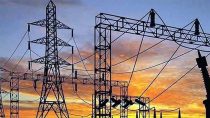
The country’s power sector has made significant progress in recent times. Power generation capacity has increased to 32,688 megawatts, including captive and renewable energy. The length of transmission lines has exceeded 18,817 kilometres, while the capacity of grid substations has reached 92,686 MVA. The total length of electrified distribution lines is more than 662,000 kilometres. The percentage of the population with access to electricity has reached 100 percent, and the number of electricity consumers has exceeded 50 million. However, with the pace of industrialisation and urbanisation increasing, electricity demand in Dhaka and surrounding areas is also rising rapidly. This has created a need to increase the capacity of the distribution network.
Against this backdrop, a major initiative has been taken to improve the electricity distribution system. The Asian Development Bank (ADB) has approved a $200 million loan for Bangladesh under the Power Distribution Network Enhancement Project. The information was disclosed in a press release issued by ADB’s Dhaka office on Wednesday.
Thirteen rural electricity cooperatives under the Bangladesh Rural Electrification Board (BREB) will be covered by the project. The project aims not only to build new infrastructure but also to reduce weaknesses in the existing system, upgrade overloaded substations, modernise old infrastructure and increase the capacity of the distribution system. The initiative also aims to reduce system losses and make the power distribution network more capable of handling natural disasters.
A major part of the project will involve the construction of 52 new substations, where transformers with a total capacity of 1,150 MVA will be installed. In addition, the capacity of 12 existing substations will be increased by another 115 MVA. More than 2,600 kilometres of overhead and underground transmission lines will be constructed and renovated. Modern insulated conductors will be used, while 900 modern fault locators will be installed to quickly identify problems in power lines.
Many people have recently expressed concern over the country’s electricity supply situation. An analysis of Power Grid Bangladesh data shows that the average daily electricity demand in September was 17,128 megawatts, while supply stood at 14,439 megawatts. The shortfall was around 2,689 megawatts. However, the electricity situation has already started to return to normal. During peak hours last Tuesday, total demand across the country’s nine zones was 16,373 megawatts, while load-shedding stood at 469 megawatts.
In Dhaka, demand was 6,092 megawatts, against 84 megawatts of load-shedding. In Sylhet, load-shedding was 30 megawatts against demand of 755 megawatts. In Rangpur, 26 megawatts of load-shedding was recorded against demand of 1,066 megawatts. In Cumilla, load-shedding was 9 megawatts against demand of 1,379 megawatts, while Rajshahi recorded 6 megawatts of load-shedding against demand of 1,670 megawatts.
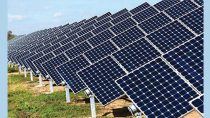
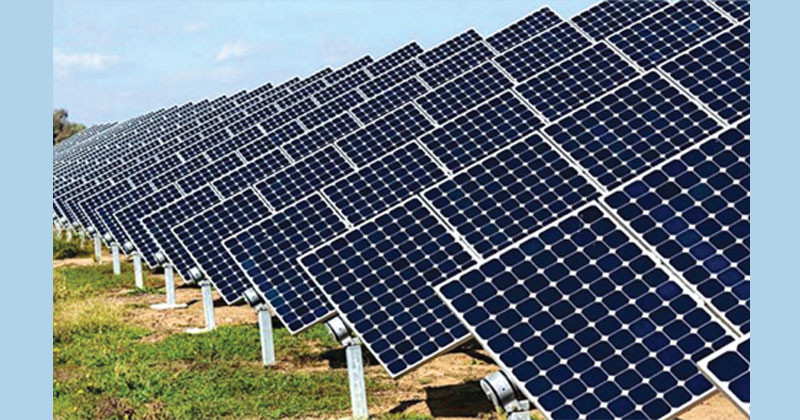
Meanwhile, experts believe that it is no longer time to view solar power as merely an “alternative.” They say that if suitable rooftops, industrial facilities and government buildings can all be turned into sources of electricity generation, solar power could become one of the strongest tools to address future power shortages.
Hasan Mehedi, chief executive of Clean, said, “Rooftop solar power and renewable energy projects will help Bangladesh significantly reduce its dependence on imported fuels (such as LNG or coal). This is the most cost-effective and sustainable solution for our long-term energy security.”
According to researcher and political analyst Dr. Abdul Wadud, “Not just in large power plants—our future can be on our rooftops. And the sun rises over those rooftops every day. Our job is not just to look at the sun—but to harness the power of the sun.” Meanwhile, ADB Country Director for Bangladesh Qingfeng Zhang said reliable electricity distribution is important as Bangladesh moves towards a prosperous and competitive economy. Modern and stable electricity supply can improve services for industrial and residential consumers, while also contributing to job creation and attracting domestic and foreign investment.
The project also includes climate and environmental resilience measures. According to ADB, the project will help reduce greenhouse gas emissions by about 203,751 tonnes of carbon dioxide equivalent annually. There are plans for around $146.52 million in special resilience financing to support the use of environmentally friendly gas-insulated switchgear technology. The project’s total financing will not come only from the ADB loan. In addition to the ADB’s $200 million loan, the Bangladesh government will provide $107.95 million, the Bangladesh Rural Electrification Board will provide $141.39 million, and a $1 million grant will come from the Korea e-Asia and Knowledge Partnership Fund.
Officials and employees of BREB and the rural electricity cooperatives will receive training on digital system integration, cybersecurity, climate risk management, environmental and social safeguards, and financial management. The project will also include measures to increase employment opportunities for women and create a suitable working environment for them.