Bab el-Mandeb Under Houthi Control, US Remains Silent
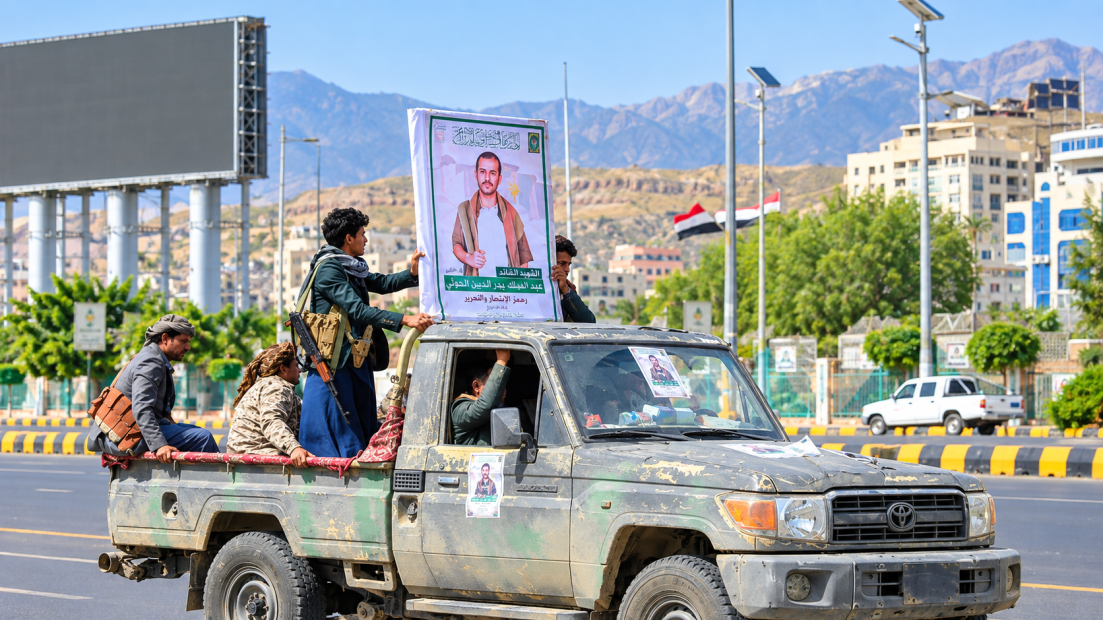
Iran-backed Houthi rebels have further strengthened their control over the Bab el-Mandeb Strait after capturing strategically important areas in Yemen. The United States is currently relying on assurances from the Houthis instead of direct military intervention, Al Jazeera reported.
In operations over the past few days, the Houthis have captured thousands of square kilometers of territory. As a result, they now control a large part of Yemen’s Red Sea coast and several strategic islands. This has raised concerns over the possible impact on the Bab el-Mandeb Strait, one of the world’s most important shipping routes.
Over the weekend, US officials held a meeting with Houthi representatives at the US Embassy in Muscat, the capital of Oman. During the meeting, the Houthis said they had no plans to attack US ships in the Red Sea. However, they said their restrictions on ships linked to Saudi Arabia would continue.
Meanwhile, the United States has already been dealing with the impact of limited shipping through the Strait of Hormuz for the past six months. If shipping is also disrupted in the Bab el-Mandeb, energy and consumer goods prices could rise further in global markets, raising concerns about additional pressure on the world economy.
Questions remain over how credible the Houthi assurances are because of their past attacks on commercial ships, close ties with Iran and anti-US position. However, analysts believe Washington is reluctant to start a new war in Yemen because its military capabilities and weapons stocks are already under pressure due to the prolonged war with Iran.
Saudi Pressure, but Trump Not Ready to Strike
Following the Houthis’ recent advances, Saudi Crown Prince Mohammed bin Salman reportedly called US President Donald Trump twice and urged him to launch attacks against the Houthis, according to a report by US media outlet Axios. However, Mr. Trump did not agree to the request.
After that, US Central Command Commander Admiral Brad Cooper travelled to Riyadh for urgent talks. Although the visit indicated increased US support for Saudi Arabia, Washington did not announce any direct participation in military operations.
Analysts say the developments could raise new questions in Riyadh about its long-standing reliance on the United States for security. Meanwhile, Saudi Arabia has increased defence cooperation with Pakistan and Turkey.
Washington Under Pressure from Iran War
The United States is facing growing military and economic pressure due to the prolonged war with Iran. Citing a Pentagon monitoring report, the report said the US spent around $33 billion in the first four months of the war alone. Of that amount, around $22 billion was spent on weapons and ammunition.
In this situation, launching a new military operation in Yemen could risk turning into another prolonged war. With the midterm elections approaching in November, the issue could also become politically sensitive for the Mr. Trump administration.
According to analysts, a disruption of the Bab el-Mandeb would also affect China. However, it would hurt not only US allies such as Saudi Arabia but also global markets and American consumers.
Therefore, there is no clear evidence to support the idea that Washington is tolerating Houthi activities as part of a broader strategy to put pressure on China.
Source: Al Jazeera