Bangladesh Faces Growing Gas and Power Crisis
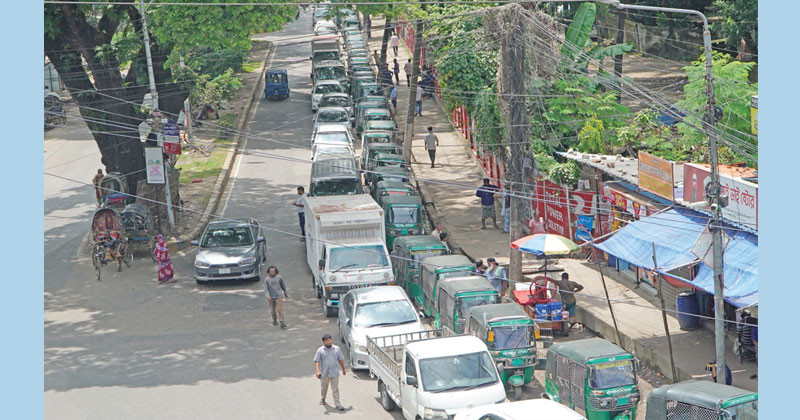
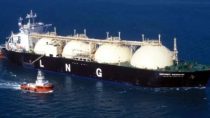
The gas crisis in Chattogram has worsened, while the electricity shortage has also reached a critical level, sharply affecting factories, transport and households. Industrial output has fallen by around 30 percent over the past two days as factories struggle with inadequate gas and power supplies. Gas shortages have left cooking stoves unlit in many areas, while long queues have formed at CNG filling stations and public transport has become increasingly scarce. The crisis has intensified amid extreme heat after adverse weather prevented an LNG carrier from reaching the floating LNG terminals at Maheshkhali. As a result, gas supplies from the facilities have fallen to less than half their normal level. Karnaphuli Gas Distribution Company Limited said supplies to Chattogram dropped suddenly from Tuesday night.
The city received a maximum of 180–190 million cubic feet of gas on Wednesday, against daily demand of around 350 million cubic feet. Industrial owners said the shortage has forced factories to reduce production, with many unable to maintain continuous operations. The Power Development Board said the nationwide power shortage has worsened because several gas-fired power plants have reduced or suspended generation, increasing load-shedding in Chattogram. Residents in several parts of the city are facing hours of load-shedding. The shortage of CNG has also severely affected transport workers. Long queues have formed at filling stations, where drivers often wait for hours for gas. They said the limited supply allows them to operate for only a few hours a day, cutting daily earnings by more than half and making it difficult to pay vehicle owners’ daily deposits.
Many autorickshaw drivers are struggling to support their families as incomes collapse. The shortage has also reduced public transport availability. Diesel-powered buses and minibuses have raised fares, adding pressure on low- and fixed-income commuters. Households are facing similar difficulties. Residents in many areas said they had no gas for cooking, while some received supplies only intermittently and at very low pressure. Officials said the crisis began worsening Monday night after a new LNG carrier failed to reach the Maheshkhali terminals because of adverse weather. Supplies from the two terminals fell by around 100 million cubic feet to about 400 million cubic feet on Wednesday, reducing gas pressure across the country, including Chattogram.
Chattogram is heavily dependent on LNG, leaving the city particularly vulnerable to disruptions at Maheshkhali. A state-run gas transmission official said the carrier remained unable to reach the terminal as of Wednesday night because of bad weather. Slightly more than 400 million cubic feet is currently being supplied to the national grid from the terminals. If the carrier reaches the terminal, supplies could rise to around 750 million cubic feet. The crisis has also been compounded by an earlier fire at a floating LNG terminal operated by US-based Excelerate Energy. Gas supplies were disrupted for 17 days after the July 21 incident and later partially restored, but adverse weather has prevented the damaged terminal from fully resuming operations.
Under normal conditions, the two Maheshkhali terminals supply around 1,000–1,050 million cubic feet of gas daily to the national grid. The fire at the Excelerate terminal disrupted LNG supplies, while the latest weather-related disruption has further deepened the shortage, placing additional pressure on electricity generation, industry, transport and household consumers across the country.