Bangladesh Maintains Stable Gas and Power Supplies Amid Global Energy Crisis
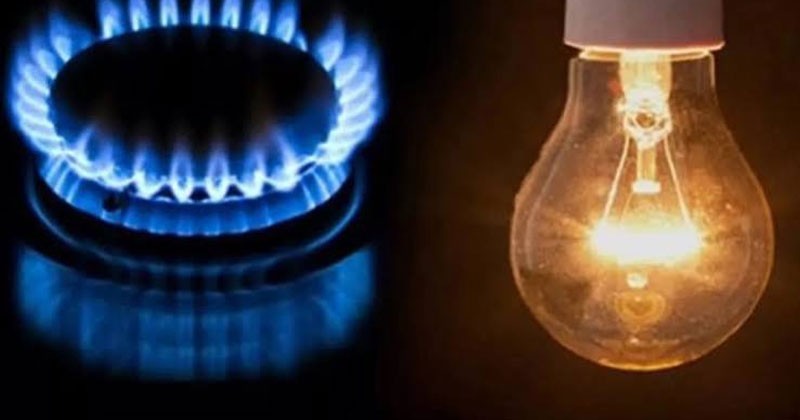
Gas and electricity supply in Bangladesh is relatively stable despite unrest in the world energy market, geopolitical tension and uncertainty over energy supply. Fuel prices in the international market are rising, but no major disaster has hit the country’s overall power supply so far.
Compared with international market prices, petrol costs about Tk 172 per litre and diesel about Tk 188 in Pakistan. In Indonesia, petrol is Tk 132 but diesel is about Tk 174. In South Korea, both petrol and diesel cost about Tk 167 on average. In Nepal, fuel is sold at about Tk 140 to Tk 142 per litre. So, despite the unrest in the international market, Bangladesh’s diesel price of Tk 135 is in a comparatively lower and better position for ordinary customers than Pakistan’s Tk 188 or Indonesia’s Tk 174.
The government continues to try to meet demand for power generation by mixing coal, natural gas and import based sources. To ensure energy security, it has also taken steps to set up new LNG terminals, attract foreign investment and raise the use of renewable energy. According to the latest data from Power Grid Bangladesh PLC, power generation on the national grid was 11,930 megawatts yesterday.
Coal based plants produced 4,937 megawatts and gas based plants produced 4,884 megawatts. Bangladesh also imported 877 megawatts from India and Nepal. Supply from fuel oil based plants also continued. The country is ready to use its generation capacity to meet the likely demand of 15,200 to 15,500 megawatts at the evening peak hour.
In gas supply too, the government is trying to handle the situation by mixing domestic production and imports. According to Petrobangla’s daily gas production and distribution report from a few days ago, total gas supply at the national level was 2,559.7 million cubic feet. Of this, 1,577.6 million cubic feet came from domestic gas fields and 982.1 million cubic feet came from imported LNG.
So a large part of the total supply is ensured by domestic production. A senior Petrobangla official told Daily Inqilab that they are trying to keep the gas situation normal by combining domestic production and LNG supply.
Several countries in the world are feeling the effect of fuel price rises and supply crises, but the government has taken several steps to keep the situation under control in Bangladesh. Earlier, Finance Minister Mr. Amir Khasru Mahmud Chowdhury said the country needs at least two years to bring the economy and the power and energy sector to a fully stable state. Work is going on to set up three to four new floating LNG terminals to reach this goal.
Private investors from South Korea and China have also shown interest in this sector. There are also long term plans to build shore based LNG terminals and oil storage near the deep sea port areas of Matarbari and Khulna.
Political leaders of the government are also mentioning various steps to deal with the energy crisis. BNP Acting Secretary General Advocate Mr. Ruhul Kabir Rizvi has said in various speeches that international geopolitics also affects the problems of the power and energy sector. He said tension in the Middle East and uncertainty around the Strait of Hormuz have put pressure on energy supply across the world.
He also criticised the indemnity law of the previous government and stressed the need to set up accountability in the power sector. He also voiced hope that the Prime Minister’s visit to Japan will open a path for alternative cooperation in energy security.
The government is also giving importance to raising the use of renewable energy. Member of Parliament and BNP Standing Committee member Mr. Amanullah Aman said Prime Minister Mr. Tarique Rahman has given special importance to raising solar power production. He said renewable energy can play an effective role in ensuring uninterrupted power supply in rural and remote areas.
There are complaints of power outages and load shedding in some places. A senior official of the Power Division told Daily Inqilab that in many cases temporary outages happen because of local technical faults and problems in the transmission and distribution system. So he said we cannot link the situation in some isolated areas with the overall picture of national power generation.
According to energy experts, the government is giving importance to many sources to keep power and gas supply running despite the global energy uncertainty. But for long term stability of the energy sector, searching for domestic gas, creating alternative import sources, raising infrastructure capacity and expanding renewable energy have become important.