Bangladesh Plans $80 Billion Investment Drive to Attract South Korean Investors
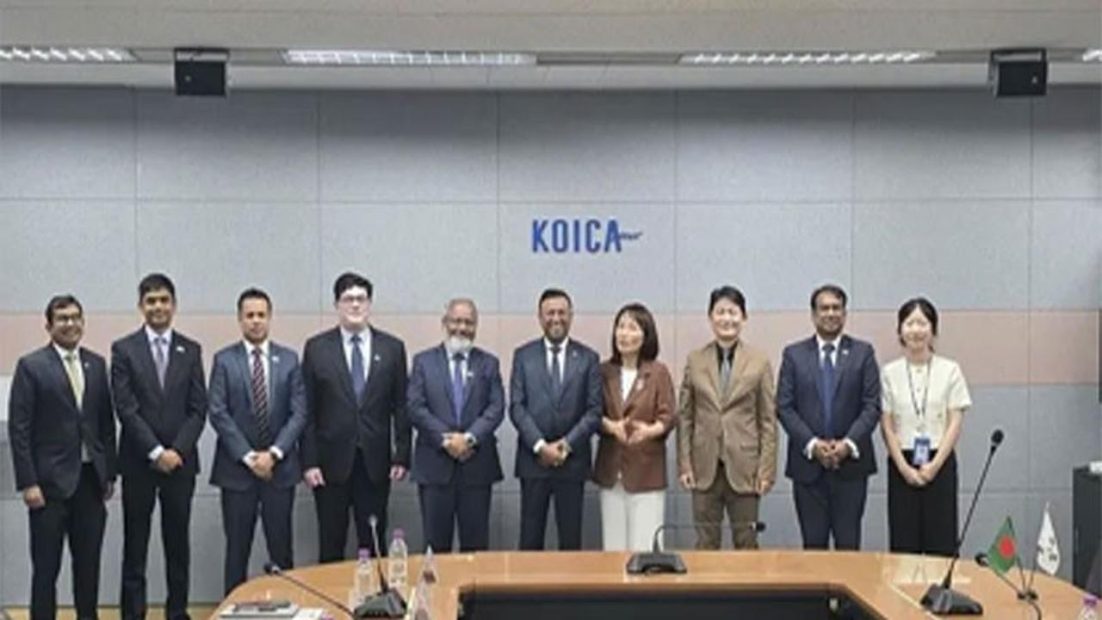
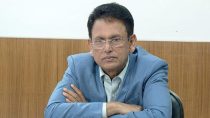
The government has initiated measures to strengthen economic partnership with South Korea to expand investment and enhance technological cooperation in Bangladesh. To this end, a high-level Bangladeshi delegation led by Finance Minister Amir Khasru Mahmud Chowdhury is currently visiting South Korea.
The visit focuses on bilateral trade expansion, economic development, and creating new investment opportunities. Discussions will particularly center on boosting cooperation in Information and Communication Technology (ICT), Artificial Intelligence (AI), electronics, semiconductors, modern manufacturing, shipbuilding, and light engineering.
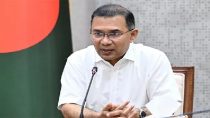
Other members of the delegation include Rehan Asif Asad, Special Advisor to the Prime Minister on Posts, Telecommunications, and ICT; Tanveer Shahriar Goni, Special Assistant to the Prime Minister on Investment and Capital Markets; and Md. Shahriar Kader Siddiky, Secretary of the Economic Relations Division (ERD).
During the visit, delegation members will participate in multiple bilateral meetings with senior ministers and officials of the South Korean government. Beyond trade and investment, these talks will aim to identify new avenues for technological partnership.
According to ERD officials, meetings are expected with representatives of leading South Korean conglomerates and firms, including Samsung, Hanwha Ocean, Naver, Youngone, FuriosaAI, and LG AI Research. Separate meetings are also planned with SK Gas and Naver. Discussions are further scheduled with the Korea International Cooperation Agency (KOICA) and the Export-Import Bank of Korea (Korea Eximbank).
The Integrated Growth Network Development (IGND) initiative will receive special emphasis during discussions on expanding investment and technological cooperation. Managed by ERD with support from the Asian Development Bank (ADB), this initiative plans integrated investments across the country’s transportation, energy, urban services, skill development, and digital infrastructure sectors.
Its primary objective is to strengthen connectivity between manufacturing hubs, industrial zones, cities, and commercial gateways. Under the government’s five-year strategic reform and development framework, plans are underway to establish connectivity across the northwestern, central (Dhaka), and southeastern regions of the country. Simultaneously, initiatives are being undertaken to develop new growth centers outside capital-centric economic activities.
To implement this plan through fiscal year 2045-46, an investment requirement of approximately US$ 80 billion across various phases has been estimated. Funding is planned to be mobilized through public finance, private investment, Public-Private Partnerships (PPP), and assistance from development partners.
Meanwhile, several infrastructure projects in Bangladesh have been identified under the bilateral PPP framework. These projects present opportunities to attract South Korean private investors by generating interest in these ventures.
Additionally, 17 unallocated and unapproved government projects with potential South Korean funding have been included in the Annual Development Program (ADP) for FY 2026-27. Several of these projects also hold potential for ADB co-financing.
These initiatives span transport, sanitation, research, healthcare, and skill development sectors. Assistance will be available for project preparation, institutional framework design, and financing readiness. The Economic Relations Division (ERD) will oversee the implementation of these projects.