Bangladesh’s New Delhi envoy appointment remains stalled
- Bangladesh-India Relations Strained
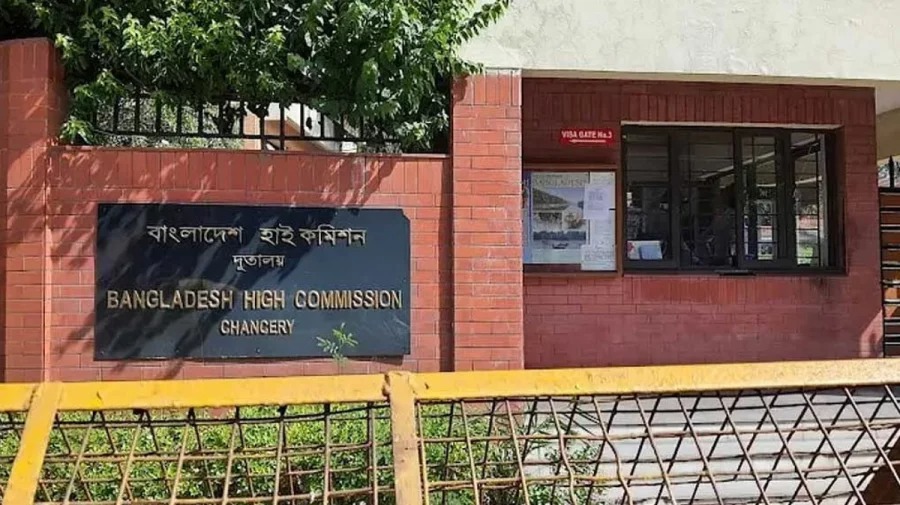
Amid the ongoing chill in Bangladesh-India relations, a new complication has emerged. The proposal to appoint Foreign Secretary Mr. Asad Alam Siam as Bangladesh’s next High Commissioner to New Delhi has been stuck awaiting India’s approval for more than a month. Dhaka has already sent the proposal seeking formal consent, but India has not yet responded. As a result, Bangladesh is unable to announce the name of its new High Commissioner.
Under diplomatic convention, prior approval from the host country — known as “agrément” — must be obtained before sending a head of mission to any country. This rule is clearly stated in Article 4 of the Vienna Convention. However, if a proposed individual is not accepted, the host country is not required to explain its reasons. This process is generally kept confidential, so as not to create an unpleasant situation in diplomatic relations. Analysts believe India is taking advantage of this provision by maintaining silence.
Mr. Asad Alam Siam is one of the senior-most diplomats in Bangladesh’s Ministry of Foreign Affairs. He currently serves as Foreign Secretary. He previously served as Bangladesh’s Ambassador to the United States.
Bangladesh’s current High Commissioner to India, Mr. M. Riaz Hamidullah, is set to take up a new post in mid-October as Bangladesh’s Permanent Representative to the United Nations in Geneva. As a result, the appointment of a new High Commissioner has become urgent before his post falls vacant. But with India’s consent still pending, the process has fallen into uncertainty. It is believed that India is deliberately holding up the matter.
Recently, in August, Bangladesh’s Prime Minister Mr. Tarique Rahman’s visit to New Delhi was cancelled at the last moment. In addition, although he was invited to last weekend’s BRICS summit in New Delhi in his capacity as BIMSTEC Chair, he did not attend. Dhaka also did not send any representative to that summit. Even Bangladesh’s current High Commissioner to India was not present at the summit. No sincere effort to normalize relations has been seen from India’s side either.
This political chill is having a negative effect on the overall relationship. New Delhi had hoped that relations would normalize through a visit to India by Bangladesh’s Prime Minister. But whenever the two countries come close to an understanding, various complications arise. Meanwhile, Ms. Sheikh Hasina’s continued presence in Delhi is also adding to the complexity of the relationship. Although Dhaka has requested that she be sent back, India has not responded to that request. It is believed that this rigid stance from India is what is prolonging the strain in relations.
Earlier this year, India sent former Union Minister Mr. Dinesh Trivedi to Bangladesh as High Commissioner with cabinet rank. He assumed his duties toward the end of June. This made clear how much importance New Delhi was placing on its relationship with Bangladesh. However, in the overall situation, relations between the two countries have still not normalized. Although both sides have taken various initiatives to keep diplomatic communication active, the political strain has not eased because of India’s rigid position. India’s reluctant attitude has become evident precisely through the stalled appointment of Bangladesh’s new High Commissioner.