
BNP’s 48 Landmark Achievements Over 48 Years Spotlighted by Adviser Mahdi Amin
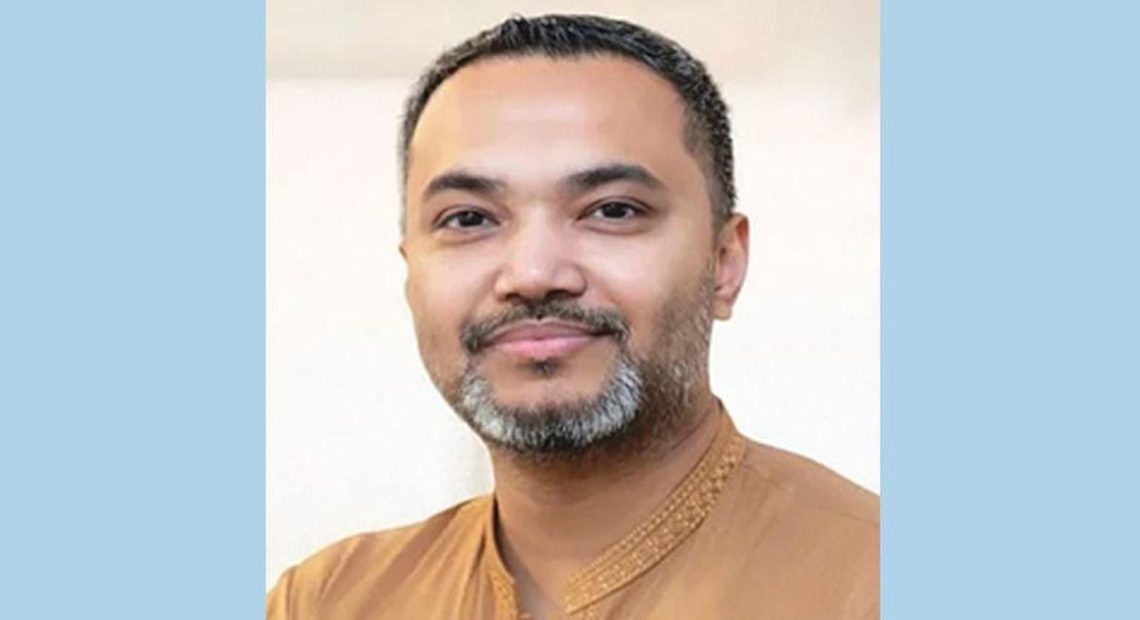
Prime Minister’s Adviser and spokesman for the Prime Minister’s Office Mahdi Amin has said the list of achievements and successes of the Bangladesh Nationalist Party (BNP) throughout its long journey is vast, extensive and wide-ranging. Based on his personal observations and understanding, he highlighted 48 notable achievements over the party’s 48-year history. On Tuesday, marking the BNP’s 48th founding anniversary, Mahdi Amin listed the 48 achievements in a post on his verified Facebook account.
The PM’s Office spokesman said the BNP, embracing the development and production-oriented politics of its founder, Shaheed President Ziaur Rahman, and the uncompromising democratic ideals of Begum Khaleda Zia, has evolved under the visionary, merit-based and modern outlook of its leader Tarique Rahman into a dynamic, technology-driven and future-oriented force. Extending his sincere greetings and congratulations to people from all walks of life, supporters and party leaders and activists on the BNP’s 48th founding anniversary, Mahdi Amin paid deep tribute to all nationalist activists who faced enforced disappearance, killings and unimaginable persecution during the long struggle to restore democracy.
According to Mahdi Amin’s personal observations and understanding, the 48 notable achievements of the BNP over 48 years are:
1. Successful introduction of the philosophy of “Bangladeshi nationalism”
2. The historic 19-point programme of Shaheed President Ziaur Rahman
3. An independent, sovereign and dignified foreign policy
4. Establishment of multi-party democracy
5. Freedom of the press and maximum freedom of expression
6. Strong leadership in the Organisation of Islamic Cooperation (OIC) and the Muslim world
7. Introduction of “full faith and trust in Almighty Allah” as a fundamental principle of the Constitution and inclusion of “Bismillahir Rahmanir Rahim”
8. Inclusion of democratic people from all political views, religions, ethnic backgrounds, philosophies, ideologies and regions in state governance
9. Nationwide canal-digging programme
10. Launch of the export-oriented garment industry
11. Initiation of manpower exports abroad
12. Establishment of Bangladesh Shishu Academy, Shishu Park and Notun Kuri
13. Introduction of the highest civilian award, the Independence Award, and the Ekushey Padak
14. Introduction of the Self-Reliant Village Government
15. Establishment of the Defence Services Command and Staff College
16. Formation of the Bangladesh Rural Electrification Board
17. Formation of the Village Defence Party (VDP)
18. Introduction of mass education programmes
19. Introduction of a free-market economy
20. Historic return to parliamentary democracy
21. Inclusion of the neutral caretaker government system in the Constitution
22. Introduction of Value Added Tax (VAT)
23. Enactment of the Acid Crime Prevention Act
24. Formation of the Securities and Exchange Commission
25. Declaration of primary education as compulsory nationwide
26. Introduction of free education for girls up to Class XII and decision to extend it to the undergraduate level
27. Enactment of the Bangladesh Labour Act as a worker-friendly policy
28. Introduction of the Food-for-Education programme
29. Establishment of the National University to expand higher education
30. Establishment of Bangladesh Open University
31. Initiation of private university establishment
32. Launch of the National Tree Plantation Programme
33. Enactment of the Environment Conservation Act
34. Replacement of two-stroke three-wheelers with environment-friendly CNG vehicles
35. Construction of the country’s first flyover
36. Increase in reserved seats for women in Parliament
37. Establishment of a separate Ministry of Liberation War Affairs
38. Formation of the Ministry of Expatriates’ Welfare and Overseas Employment
39. Begum Khaleda Zia’s historic Vision 2030
40. Establishment of an independent Anti-Corruption Commission
41. Establishment and expansion of healthcare services at the upazila level
42. Opening mobile communications to the private sector and formation of the Bangladesh Telecommunication Regulatory Commission (BTRC)
43. Establishment of the Coast Guard
44. Prime Minister Tarique Rahman’s 31-point reform programme for the state
45. Waiver of farmers’ loans with interest to ensure social security, and introduction of Farmer Cards to protect marginal farmers
46. Introduction of Family Cards for women’s empowerment
47. Provision of monthly honorariums for imams, muezzins, khatibs, priests and other religious worshippers
48. People-oriented and public-engaged politics, placing Bangladesh’s interests and sovereignty first while upholding democratic aspirations and the principles of independence
Mahdi Amin further said that, continuing the self-reliance philosophy of Ziaur Rahman, the great declarer of independence, and Begum Khaleda Zia’s welfare-oriented governance, a united Bangladesh based on good governance and justice, accountability and inclusion is being built under the leadership of Prime Minister. He said the history of immense sacrifice and selflessness by countless leaders and activists of the BNP and its affiliated and associate organisations throughout the democratic journey, along with the unprecedented love and support of people from all professions and walks of life, represents the most glorious chapter of the party’s political journey.