Boro Paddy and Rice Procurement Needs to Be Increased and Extended
Mahfuzul Haque Anar, Dinajpur Bureau
Highest Food Grain Stock Since Independence
The country has reached a milestone with the highest food grain stock since independence. Currently, 2.362 million metric tons of food grains are stored in government warehouses across the country.
According to the Food Department, the stock is nearly twice the 1.3 million metric tons set as a reserve for emergency situations. As the specified procurement target has been achieved, government food warehouses in Dinajpur, known as the country’s food grain hub, are holding stocks beyond their storage capacity.
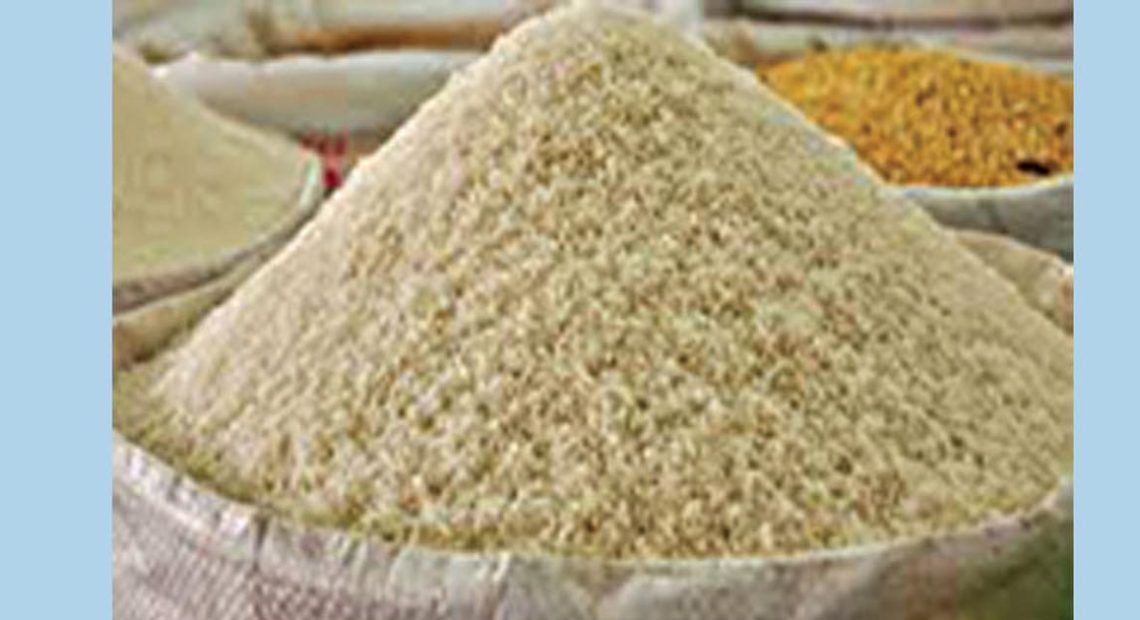
Meanwhile, the government’s procurement drive for paddy and rice for the current Boro season ended yesterday, Monday. However, farmers and millers still have substantial stocks of paddy, causing paddy prices to start falling. Relevant quarters believe that extending the procurement period and purchasing additional paddy and rice would help keep the market stable.
To implement Prime Minister Tarique Rahman’s call, “Save the farmers, save the country,” it has become necessary to quickly launch an expanded procurement drive for paddy and rice.
In Dinajpur’s 13 upazilas, the government set a target of procuring 93,718 metric tons of parboiled rice this season. As of August 24, 88,787 metric tons had been procured. The remaining rice has been loaded onto trucks and is awaiting entry into government warehouses. The procurement targets for paddy and non-parboiled rice have also been met.
Dinajpur District Food Controller Md Monirul Islam said government food stocks currently exceed the storage capacity of one CSD and 25 LSD warehouses in the district. A visit to the CSD and Pulhat LSD warehouses found them filled with paddy, wheat and rice. Rice is being sent from the CSD and Pulhat LSD warehouses to food warehouses in different parts of the country in line with government policy. Procured paddy is also being sent to millers for processing.
The current BNP government, elected by popular vote 18 months after August 5, has placed emphasis on agriculture, with Prime Minister Tarique Rahman announcing various initiatives. The government has waived farmers’ loans and launched canal-digging programmes. The benefits of these initiatives will take some time to materialise. However, despite heavy rainfall and flooding causing extensive damage in the haor areas and the southwestern region during the last Boro season, farmers were able to bring their paddy home with assistance, including the use of harvesters.
In Dinajpur, known as a major food grain hub, there was no major natural disaster such as excessive rainfall or flooding, resulting in a bumper Boro harvest. Although the price of fine aromatic rice increased, the price of coarse rice, a staple for the middle class, did not rise. Moreover, rice was distributed free of charge among poorer communities, so there were no reports of a food crisis. As a result, the government’s paddy and rice procurement drive was successful and has now ended.
However, farmers still have substantial quantities of paddy at home. Paddy continues to arrive at local markets every day. As large-scale rice distribution and low-price sales continue, consumer demand has declined. As a result, millers are also facing difficulties with coarse rice.
In this situation, an expanded government procurement drive for paddy and rice would benefit both farmers and millers. At the same time, maintaining adequate food grain stocks in government warehouses would reduce the possibility of attempts or conspiracies to destabilise the market.