
ChatGPT May Access Screens, Emails Within Six Months: OpenAI
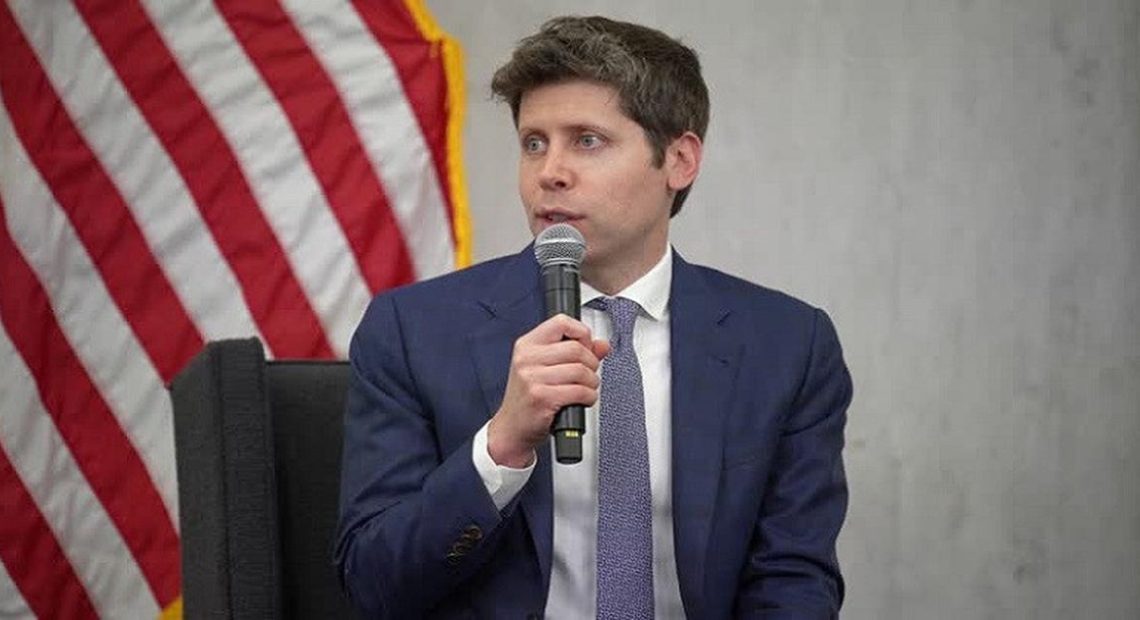
OpenAI CEO Sam Altman says a version of ChatGPT could be developed within the next six months that can understand the context of users’ computer screens, meetings and phone calls and assist them with their work. With the user’s permission, the AI assistant could also use information from emails, documents, messages and services such as Slack.
Altman discussed future AI assistants in a recent interview with Cory Levy, founder of Z Fellows. Asked when such a system could become practically usable, he said its practical form could emerge at some point within the next six months.
According to Altman, the future AI assistant would be able to monitor activities on a user’s computer screen. It could also retain information from meetings the user attends and the content of phone calls. However, users themselves would decide which information and services the AI could access.
Altman said the technology would not be intended to make decisions on behalf of users. Rather, like a colleague, it would understand the ongoing context of their work, provide necessary suggestions and help complete specific tasks.
For example, he said that when a company executive is preparing a sales proposal for a client or creating a strategic document, the AI assistant could offer new ideas based on relevant information, flag potential mistakes or complete a task at the user’s direction.
Altman believes such an AI assistant could become highly useful for people handling large amounts of information and work after another generation of models. Instead of simply answering individual questions like conventional chatbots, it could understand the continuity and context of a user’s work.
However, Altman’s six-month timeframe is not an announced release date for any specific OpenAI product. He did not name a new product or provide a specific launch schedule or final list of capabilities. His comments are therefore being viewed as a prediction about possible technological advances.
If implemented, the technology would raise major privacy and data-security concerns. With access to computer screens, meetings, phone calls, emails and documents, how such information would be stored, used and controlled would become an important question. Discussions about privacy and security risks associated with such broad AI access have already begun.
Various technology companies already offer separate AI capabilities involving screens, meetings and users’ work contexts. The distinctive aspect of Altman’s proposed concept is the attempt to bring such information together more continuously to understand the user’s overall work context.
If realised, Altman’s concept could significantly change how people interact with AI. As a personal assistant, AI would not simply wait for instructions but could understand the continuity of a user’s work and provide advice and assistance when needed.
Source: Times of India