
Delhi’s Lobbying Network Active Against State Minister for Foreign Affairs, Humayun Kabir
Stalin Sarkar
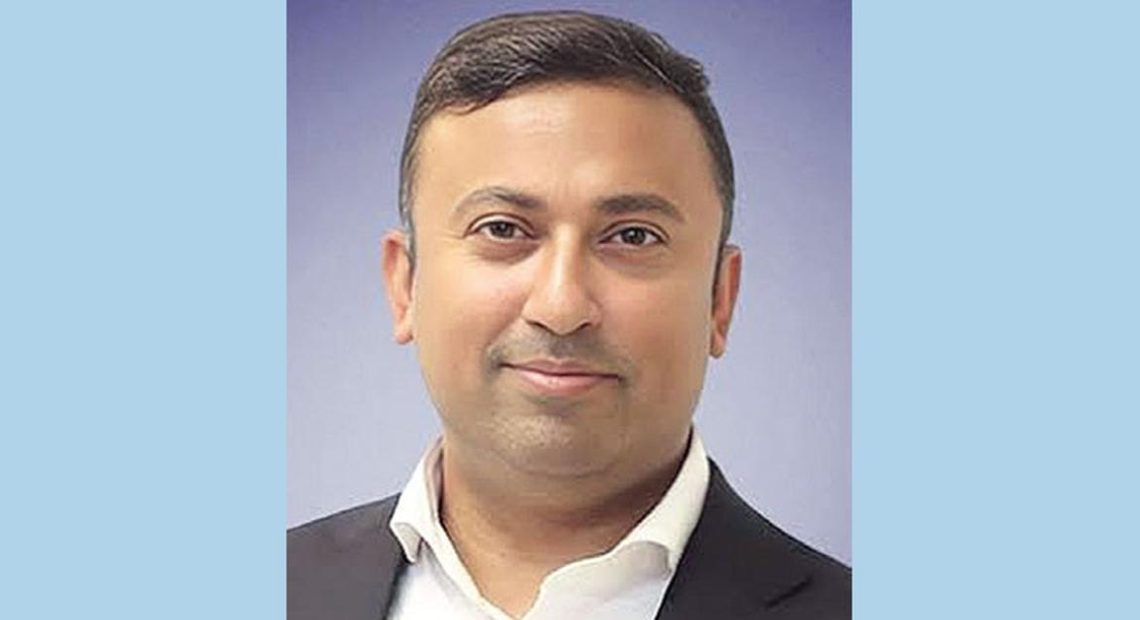
I grew up in a village. There is a saying: “When the ground is slapped, the guilty are startled.” After Humayun Kabir took oath as State Minister for Foreign Affairs, a group appears to have been startled like those “guilty” people. They have launched a campaign against Mr. Humayun Kabir, repeatedly raising the issue of his alleged “foreign citizenship.” Foreign Minister Dr Khalilur Rahman has been elected president of the 81st session of the UN General Assembly and will be unable to devote sufficient time to the ministry. Against this backdrop, Mr. Humayun Kabir was appointed state minister.
State Minister for Foreign Affairs Shama Obaid Islam said that two state ministers had been appointed to facilitate the ministry’s work and expedite its activities. Their responsibilities have already been divided. While Shama Obaid Islam welcomed the decision, a group has launched a campaign against Humayun Kabir over his alleged foreign citizenship. Yet they remained silent when 17 dual citizens were appointed as advisers and special assistants during the interim government. Why, then, has Mr. Humayun Kabir suddenly become the target of such a campaign?
The reason lies in Bangladesh’s strong diplomatic response to Delhi. After Sheikh Hasina was allowed to hold a virtual press conference from Delhi on August 5, the Foreign Ministry sent a strong protest to India on August 6. Mr. Humayun Kabir was instrumental in the move. As a result, Delhi was put on the back foot diplomatically, while India has become eager to bring Prime Minister Tarique Rahman to Delhi. Mr. Humayun Kabir has clearly stated that he is a “genuine Bangladeshi” and came to the country to work for it. Law Minister Asaduzzaman has also said that Mr. Humayun Kabir has no dual citizenship and was sworn in in accordance with the Constitution and law.
Then why is there so much controversy over him? Former Foreign Minister Dr Hasan Mahmud was a Belarusian citizen, while former Foreign Minister Dr A. K. Abdul Momen held US and Bangladeshi citizenship. During the previous interim government, 17 important officials were also foreign or dual citizens. They included former Chief Adviser Dr Muhammad Yunus, Environment Adviser Syeda Rizwana Hasan, National Security Adviser Dr Khalilur Rahman and several special assistants and senior officials. All of them served in important positions, yet the so-called Delhi-backed group had no objection. Why, then, is Mr. Humayun Kabir facing such criticism?
The reason is Delhi’s interests. India’s policymakers could not imagine that Bangladesh would strongly protest over Sheikh Hasina’s address from Delhi. Dhaka also sought her return under the 2013 extradition treaty and called for equal relations between the two countries. Mr. Humayun Kabir is pursuing Prime Minister Tarique Rahman’s “Bangladesh First” policy. Through the efforts of Dr Khalilur Rahman and Mr. Humayun Kabir, Prime Minister Tarique Rahman visited China. Japan, the United States and several Middle Eastern countries have shown interest in investing in Bangladesh.
Mr. Humayun Kabir supports the proposed China-Myanmar-Bangladesh economic corridor despite India’s objections. He is also working to launch the Teesta mega project with Chinese financing. Bangladesh is purchasing weapons from China as well. For these reasons, Delhi-aligned intellectuals and civil society figures are allegedly trying to stop Mr. Humayun Kabir by promoting the “foreign citizen” issue. Some influential ministers and state ministers within the government are also allegedly encouraging the campaign. The campaign has appeared in newspaper editorials, articles, television talk shows and social media. Those described as “patriotic” intellectuals and media workers, however, have shown little concern over the repatriation of Rohingyas or trade agreements with the United States that allegedly conflict with Bangladesh’s interests.
Bangladesh also supports joining a Saudi-led maritime security alliance involving 13 countries: Saudi Arabia, Turkey, Kuwait, Bahrain, Qatar, Jordan, Egypt, Pakistan, Djibouti, Somalia, Yemen, Sudan and Nigeria. The Delhi-backed group opposes Bangladesh joining the alliance because Hindu nationalist India does not view it favourably. The group campaigning against Mr. Humayun Kabir is clearly working to advance Delhi’s agenda. The government should not give such propaganda any importance. Mr. Humayun Kabir should ignore the campaign and continue advancing Prime Minister Tareq Rahman’s “Bangladesh First” policy.