Dying factories fuel unemployment amid gas crisis
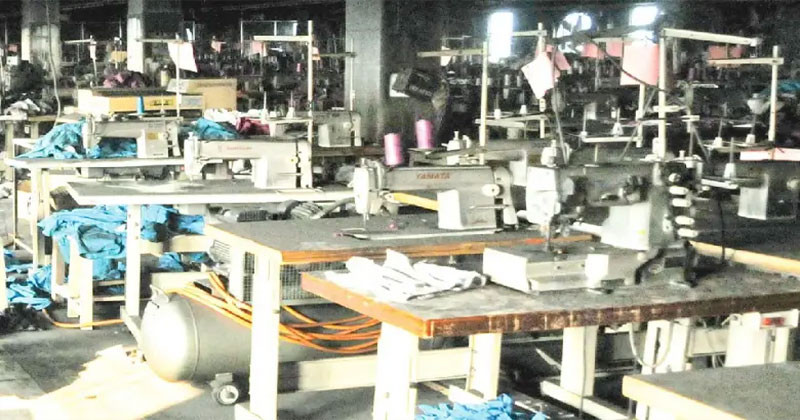
Shafiul Alam / Rafiqul Islam SelimMore than 200 factories in Dhaka and Chattogram have either shut down or declared official or unofficial holidays amid a worsening gas and power crisis, raising fears of job losses and further economic disruption. The country is facing an average daily gas shortage of 42% to 44% against demand, with industrial production bearing the brunt.
The crisis has persisted for more than a month, while uncertainty remains over when the gas shortage will ease. At the same time, opportunistic traders are reportedly preparing to raise the price of bottled and cylinder LPG, with large quantities being withdrawn from the market. Industry insiders question why a major share of scarce gas is still being supplied to power plants to reduce load-shedding when many plants could reportedly be operated using furnace oil. They estimate that spending around Tk 600 million a day on furnace oil could increase power generation by 1,000 to 1,200MW and help save struggling industries.
Eminent economist Professor Dr Moinul Islam, a former president of the Bangladesh Economic Association, blamed government inefficiency for the unprecedented gas crisis. He said the Energy Ministry had failed to take timely measures for domestic gas exploration and extraction and had also failed to take effective steps to expand solar energy. “The government’s inefficiency is responsible for the continuing unprecedented gas crisis across the country. The Energy Ministry has shown no efficiency in dealing with the crisis,” Dr Moinul Islam told Daily Inqilab on Friday. He said there was no longer any scope to blame the Iran war because that situation had already passed.
Dr Moinul also criticised the lack of subsidies and incentives to expand solar energy, noting that India provides subsidies covering half the cost of a solar system costing around Rs 47,000. He said the government should soon change the top leadership of the Energy Ministry because of its inefficiency. Hundreds of industries in major industrial areas including Ashulia, Savar, Gazipur, Dhamrai, Narayanganj, Bayezid, Pahartali, Ichanagar, Sagarika, Sitakunda and Mirsarai are struggling. During peak production hours, many factories receive little or no gas and electricity, making normal production impossible.
Export-oriented garments and knitwear, ceramics, pharmaceuticals, composite textiles, frozen food, steel and iron, cement and bakery industries have been badly affected. Prices of essential goods including sugar, edible oil, pulses, flour and milk have also risen amid the energy crisis. Long queues at CNG stations have reduced the availability of CNG-powered public transport and pushed up fares, increasing public frustration. Chattogram’s industrial sector has been particularly hard hit. Production at garment factories has fallen by around half, while steel, cement, shipbreaking, corrugated iron, textile and plastic industries are also struggling. Many factories have shut down while others are operating only nominally. Delays in production and shipments have raised concerns over losing export markets, while reliance on alternative fuels has increased production costs.
Chattogram’s daily gas demand is around 350 million cubic feet, but supply has fallen to 150-180 million cubic feet. The shortage has also affected power generation. Twenty-nine gas-fired power plants in Chattogram and elsewhere are reportedly shut, while peak electricity demand in the region is around 1,600MW. Prolonged load-shedding is forcing factories to rely on diesel generators, disrupting production by three to four hours a day. Textile and accessories factories are among the worst affected because gas shortages are severely disrupting dyeing, finishing and other fuel-intensive processes. Factories with captive power systems are also unable to operate their gas generators, while converting them to diesel overnight is not feasible.
Factories inside and outside Chattogram EPZ and Karnaphuli EPZ are facing the same problem. Chattogram EPZ, the country’s largest, has 501 industrial units employing around 200,000 people and exports goods worth around Tk 300 billion annually. Investors from China, Japan, South Korea, the UK, the US, the Netherlands, Sri Lanka, Malaysia and India have operations there. Continued shortages of gas and electricity could disrupt production and exports. Chattogram has more than 3,000 factories, including around 1,200 heavy industrial units. Factory owners say production has fallen sharply as they are forced to run expensive generators. Rising diesel prices have increased costs, in some cases doubling production expenses. Some factories have had to halve production, reducing income while increasing liabilities to banks.
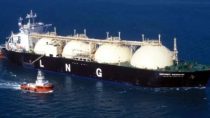
Chittagong Chamber President Mohammad Amirul Haque said LNG cargoes should be brought in quickly to ensure gas supplies. He called for additional LNG terminals alongside the two terminals at Maheshkhali and urged the government to begin drilling in domestic gas fields. “There is no alternative to sustainable energy for development, investment and industrialisation,” he said, adding that government efforts must become faster and more coordinated.
Mohammad Sarwar Alam, a director of Mostafa Hakim Group, said all industries were suffering, but steel factories were facing an especially severe crisis. Their production has fallen by 40% while production costs have risen by 40%. Low gas pressure is forcing factories to spend four to five hours heating furnaces, roughly twice the normal time, delaying the production of billets and rods. BSRM Deputy General Manager Tapan Sengupta said gas pressure was extremely low, cutting steel production by half while increasing costs. Higher production costs are also pushing up steel prices, which could raise construction and housing costs and affect overall economic development.
Chattogram’s industrialists warned that declining LNG supplies and increased dependence on costly generators could further reduce production. Unless the energy crisis is resolved, production, exports, investment and foreign exchange earnings could suffer, potentially undermining the government’s efforts to rebuild the economy.