EC’s Lack of Coordination on Local Polls Is Unexpected

Demands for local elections before the national election arose during the interim government’s term. Political parties disagreed among themselves, so this did not happen. The Election Commission has now announced a preliminary schedule for local elections. This came almost eight months after the BNP led coalition government formed through the thirteenth national election.
The announcement has sparked wide debate and many questions. The commission published this possible schedule last Monday. It outlines a seven phase timeline for Union Parishad elections starting in November. Many observers call this timeline one sided and unrealistic.
Normally, the Election Commission should discuss a full roadmap with the relevant government administration and stakeholders before announcing any schedule. This step did not happen properly this time. After debate broke out nationwide over the November start date, State Minister for Local Government Mr. Mir Shahe Alam said his ministry received no consultation before the announcement.
Home Minister Mr. Salahuddin Ahmed said the announced timeline is only tentative, not final. He expects the government and the commission to finalize the date through discussion. After questions and debate grew over the announced schedule, the commission called it a preliminary decision. It said the final date would be set after a meeting with ministries and departments on September 17.
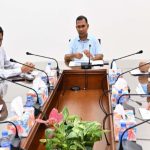
Yesterday at 2:30 PM, Chief Election Commissioner Mr. AMM Nasir Uddin chaired a meeting. Four election commissioners and officials from 26 ministries and departments attended. The meeting was still ongoing at the time this article was written. The agenda included the Thakurgaon 1 by election set for October 29 and the local election schedule.
The commission’s proposed date of November 12 for the local elections faces several problems. Year end annual exams for primary and secondary schools and madrasas fall around this time. The holy month of Ramadan, Eid, and SSC exams follow soon after. Many people call the plan to hold thousands of local elections around these public events reckless.
Overall, holding local elections this year appears unlikely. Next year’s SSC exams and Ramadan may also push the elections beyond May. National and local elections both matter greatly to the public. The Union Parishad is the largest tier of local government. Crores of voters take direct interest in this election.
Deciding to start elections in mid November without discussion or a coordinated plan shows poor judgment by commission officials. Sources say the commission’s inter ministerial meeting is now considering the middle of next year for local elections instead.
The commission ignored key factors that matter for organizing a election as large as the Union Parishad polls. This is not an optional matter. Imposing local elections during the annual exam season for crores of students is unacceptable. Some call this an unforgivable mistake. Anyone responsible for this decision should face disciplinary action.
Preparation for local elections should have started much earlier. During Ms. Sheikh Hasina’s rule, most government candidates won without real contests, similar to national elections. This reduced public interest in elections overall. Most Union Parishad chairmen and members were local Awami League leaders. Many of them were involved in land grabbing, drug trade, extortion, and harassment of opposition activists at the local level.
During the July uprising, Ms. Sheikh Hasina and top Awami League leaders fled or went into hiding, along with thousands of local leaders. This has caused a kind of paralysis in local government administration. The absence of elected chairmen, members, mayors, and councilors has created a crisis in public services.
Restoring local government quickly through elections is urgent. At the same time, local elections must avoid the exam season. The lack of coordination and poor judgment shown by the Election Commission over the proposed schedule is deeply unfortunate. All stakeholders expect the commission to consider these factors in future decisions. Before any final decision on elections, consultation with political parties and stakeholders remains necessary, not just with ministries and departments.