Expert Warns of High Disaster Risks
Speaking to Daily Inqilab on Friday, BUET communication and development expert Professor Dr Md Shamsul Haque said Bangladesh’s coastal soil is soft, erodible and fragile, making the country highly vulnerable to sea-level rise and natural disasters. He said the disaster, environmental and climate risks associated with mega projects on Maheshkhali’s geographically distinctive hilly island were largely overlooked from the outset, with greater emphasis placed on implementing projects simply because they were labelled “mega.”
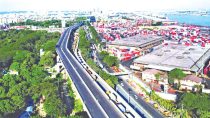
He warned that the Maheshkhali-Matarbari hub faces growing threats from cyclones, storm surges, high tides and rising sea levels. To ensure the survival of the Matarbari deep-sea port and other mega projects in the future, he said coordinated and forward-looking measures must be taken, as climate risks are no longer a hypothetical threat but a reality.
Experts said the projects face heightened risks from extreme weather, climate change, global warming and rising sea levels. Unplanned industrialization, outdated and fragile embankments and the continued destruction of mangrove forests have further increased the island’s vulnerability to cyclones, storm surges, flash floods, waterlogging and tidal flooding.
They said hills, vegetation and coastal forests have been cleared indiscriminately for project construction, while land acquisition, occupation and unplanned infrastructure development have disrupted natural drainage in many areas. As a result, flash floods and waterlogging are increasingly affecting parts of the island.
Experts also warned that indiscriminate hill cutting and unplanned land filling have undermined Maheshkhali’s natural balance and stability, while increasing the risk of landslides and potentially severe consequences in the event of an earthquake. Rising temperatures and sea levels are also increasing tidal inundation and salinity.
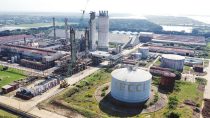
The embankments surrounding the LNG terminal, SPM project and Matarbari coal-fired power plant have not been adequately designed to withstand extreme weather, super cyclones and storm surges, experts said. Large infrastructure has also obstructed natural canals and drainage channels, preventing heavy rainfall and tidal water from flowing easily into the sea and contributing to human-induced flooding.
Professor Haque expressed hope that the Prime Minister’s Maheshkhali visit would give due attention to sustainable measures for reducing disaster risks and protecting the strategic projects from future climate and environmental threats.