Fertilizer crisis should not disrupt agricultural production

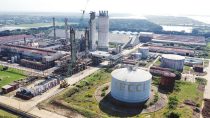
The Middle East war is affecting regional and international economies. Disruptions to energy security and rising prices are hurting industrial production and fuelling inflation. The poor are facing increasing hardship, while few are spared the gas and electricity crisis. The biggest challenge, however, may be the threat to agricultural production, the country’s main economic sector. As the gas crisis disrupts domestic fertilizer factories, initiatives are being taken to import fertilizer from abroad at twice the price. Uncertainty over the supply of gas, fertilizer and petrochemical products from the Middle East could make it difficult to provide farmers with fertilizer at fair prices this season. The uncertainty surrounding the Strait of Hormuz has heightened these concerns. The ongoing gas and electricity crisis has already caused severe hardship. Even if farmers manage to sustain production after the energy crisis, a worsening fertilizer shortage could reduce food production and make it difficult for the government to manage food shortages and inflation.
If the energy crisis’s impact on agricultural production were as severe as its effect on industrial production and exports, the country could face a major socioeconomic crisis, social unrest and food shortages. Farmers have continued to meet the food needs of the country’s growing population despite political and natural challenges. Self-reliance in food security is a major achievement. Yet declining agricultural land and the adverse effects of climate change are already making it difficult to maintain productivity. Agricultural production and food security are under pressure worldwide, while food prices and overall inflation are rising. These realities pose additional challenges for a densely populated country dependent on limited agricultural land. In Bangladesh, essential issues such as food prices, gas, electricity and water can also contribute to sociopolitical unrest and instability. Local and foreign actors seeking to put the BNP government under pressure remain active.
Creating artificial crises and exploiting them to anger the public is not new. In 1995, during the BNP government, several people were killed in police firing on farmers demanding fertilizer at fair prices in different parts of the country on the same day in March. The incident later affected the anti-government movement and elections. Similarly, in 2006, several farmers and other people were killed in police firing during protests demanding electricity in Kansat, Chapai Nawabganj. These incidents, compounded by what the Awami League described as planned agitation and propaganda, affected subsequent political developments. The government must closely monitor any attempt to aggravate the gas, electricity and fertilizer crises to turn public anger against the Tarique Rahman government.
The government is giving special importance to the energy crisis. Talks on energy cooperation are already under way with countries including Japan. Tarique Rahman’s visit to China and the message from Xi Jinping of full support for Bangladesh on security issues are also significant for his government. Practical initiatives should be taken without delay to make use of this opportunity. The government must ensure that dependence on India or opposition from Western countries cannot be used as grounds for political instability. Overall inflation, including food prices, has become increasingly incompatible with the incomes of ordinary people, while the gas and electricity crisis is adding to the pressure. Such conditions can easily be exploited to mobilise public anger. Load-shedding and power outages in rural areas are breaking previous records. Seeking to avoid public anger, officials of the country’s Rural Electricity Association are demanding security from the government.
Meanwhile, unscrupulous syndicates are exploiting the fertilizer shortage and artificially worsening the crisis. According to a report published in Inqilab yesterday, urea, TSP and DAP fertilizers are being sold in different parts of the country at prices 50 percent to 80 percent above government-set rates per bag. Higher fertilizer, seed and pesticide costs will adversely affect agricultural production. Rising production costs could also push up food prices in the coming days, creating further risks to food security. The government must urgently address any threat to gas, electricity, energy and agricultural production, treating them as priority sectors. Prime Minister Tarique Rahman must remain fully alert to conspiracies by bureaucrats and autocratic brokers within the government. The gas, electricity and fertilizer crises require immediate attention and necessary action.