Gas-power crisis deepens amid conspiracy concerns
Gas shortages have sharply reduced electricity generation, forcing many industries to suspend operations. The crisis has been driven by falling domestic gas production, reduced LNG supplies after problems at a floating LNG terminal, coal shortages at several power plants and lower electricity imports.
Energy experts said the crisis cannot be resolved quickly because Bangladesh lacks sufficient LNG import capacity while domestic gas production continues to decline. Professor M Tamim said, “On one hand, domestic gas production is declining; on the other, we do not have sufficient import capacity. So, I see no possibility of resolving the gas crisis very quickly.”
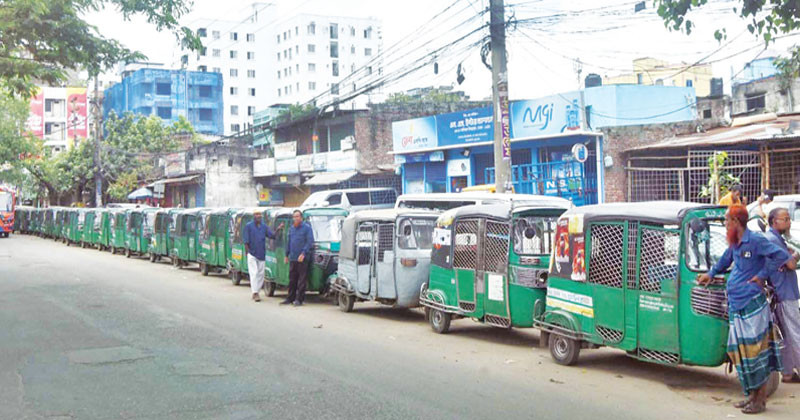
According to Petrobangla officials, LNG supply to the national grid has fallen below 300 million cubic feet per day, compared with around 1,000 million cubic feet normally supplied by the two floating terminals. Total gas supply has fallen to about 1,930 million cubic feet against daily demand of 3,800 million cubic feet. The shortage has severely affected industrial areas. Many factories have stopped production, while CNG vehicles and households are struggling with low gas pressure. The gas shortage has also reduced power generation and increased load-shedding, particularly in rural areas, where some areas are facing eight to 12 hours of outages.
Bangladesh currently generates around 14,000-15,500MW against demand exceeding 17,000MW. The Rural Electrification Board requires 8,000-9,000MW but is receiving only 5,000-6,000MW. Energy Minister Mr. Iqbal Hasan Mahmud Tuku said the fire at the floating LNG terminal in Maheshkhali had reduced gas supply from around 1,000 million cubic feet to about 500 million cubic feet. “Prime Minister Mr. Tarique Rahman is making the utmost efforts. He has already spoken to several countries,” Mr. Tuku said, adding that the government was taking various measures to address the crisis.
Mr. Tuku also said authorities were investigating whether the fire at the floating LNG terminal was part of an international conspiracy. He said Bangladesh needs more floating LNG terminals because the existing two cannot meet the country’s gas requirements. The government has ordered a new FSRU and plans to install three more at Payra, Mongla and Hiron Point by 2029. It has also begun offshore gas exploration and ordered two new rigs to strengthen BAPEX.
To ease industrial gas shortages, the government has authorised 30 container trucks to transport gas from Bhola to factories and is discussing direct container-based gas supply with a Malaysian company. Mr. Tuku urged businesses and the public to provide “moral support” as the government works to overcome the crisis. The crisis has already hit major industries. Bangladesh Steel Re-Rolling Mills (BSRM) has shut all 10 of its major factories, according to Deputy Managing Director Mr. Tapan Sengupta.
Bangladesh Textile Mills Association spokesman and Abed Textile Processing Mills Managing Director Mr. Abdullah Al Mamun said factory owners were struggling to pay workers’ wages, utility bills and loan instalments, warning of possible labour unrest. Apex Footwear Managing Director Mr. Syed Nasim Manzur said prolonged load-shedding had increased the company’s diesel consumption by 390 percent. Snouttex Group Director Ms. Sharifun Reba said their fuel costs had risen by 150 percent because of load-shedding and diesel-based power generation.
Professor M Tamim said domestic gas production has fallen to around 1,500 million cubic feet per day from about 1.9 billion cubic feet in 2016-17 and is declining by roughly 100-200 million cubic feet annually. He said Bangladesh must increase exploration both offshore and onshore, bring Bhola’s gas into the national system, consider additional electricity imports and make firm decisions on renewable energy and coal. Professor Tamim also recommended international tenders for onshore gas exploration if necessary and stressed the need for parallel long-term planning, particularly greater investment in renewable energy.