Gram Sarkar Returns After 47 Years

Gram Sarkar is coming back to the country after 47 years. The Local Government Division has drafted the Gram Sarkar Act, 2026. The draft proposes one Gram Sarkar in every ward. Each one will have a head, an adviser and 15 members.
The draft asks for farmers, workers, teachers, traders, professionals and youth representatives. It also includes rural doctors, Nikah registrars and cooperative members. They will sit together with notable persons and social workers. The division has already asked the public for opinions on the draft.
The draft gives Gram Sarkar a role beyond development work. It will help stop violence against women and children, terrorism, theft, drugs and gambling. It will build joint action against these crimes and raise public awareness. It will also report on these matters to the Union Parishad.
Every ward will have its own Gram Sarkar. Its name will carry the Union name followed by the ward number. It will be a statutory body. It can buy, keep and transfer both movable and immovable property under the law.
The Union Parishad member of the ward will lead the Gram Sarkar. The woman member from the reserved seat will serve as adviser. Gram Sarkar will assist the Union Parishad. It will not count as an administrative unit under Article 152(1) of the Constitution. Its term will run for five years from the first meeting.
The 15 members will come from many walks of life. They include two notable persons or social workers, two farmers and two trained members of the Ansar and Village Defence Party, one man and one woman. They also include one Nikah registrar, one cooperative member, one rural doctor and one teacher. The rest are one trader, one professional, one worker, one youth representative and one member of a small ethnic group, if there is one.
If a group has no representative, the ward will add more notable persons or social workers. Voters will choose the members by a yes or no vote. At least 10 percent of the ward’s voters must attend. The managing authority will supervise the vote.
The draft also sets the time for forming each Gram Sarkar. For the first time, the government will fix a date through a gazette notice. After a term ends, the ward must form a new one within 180 days before the end date. If the government cancels one under Section 24, the ward must form a new one within 90 days.
Gram Sarkar will plan road and culvert work in order of priority. It will review the progress and money matters of running projects. It will help schools get students to attend and help health workers with family planning, nutrition and vaccines. It will support clean water and sanitary latrine programs. It will also watch the supply of fertilizer, good seeds and pesticides and tell the Union Parishad at once if a shortage appears.
Gram Sarkar will also push for local business and public welfare. It will encourage cooperatives, small industries, poultry farms, fish farming and animal raising. It will promote tree planting, canal digging and care for the environment and animals. It will run welfare work for women, youth, the elderly and children.
Gram Sarkar will keep peace in the village and settle local disputes. Lawful authorities may accept its written decisions. The head, the adviser and every member must take an oath before the managing authority. The authority will arrange the oath within 30 days of forming the Gram Sarkar.
Some people cannot become members. This includes anyone who gave up or lost Bangladeshi citizenship and anyone a court declared of unsound mind. It also includes anyone who left the ward to live elsewhere for good. A person jailed for at least one year for a moral crime cannot join until five years after release. A person missing from the ward’s voter list, a Union Parishad chairman, or anyone with an overdue bank loan also cannot join.
The authorities can remove a member after a proper inquiry. They can also remove a member who misses three meetings in a row without a good reason. The Deputy Commissioner can order an inquiry into any Gram Sarkar. If the inquiry finds failure, misuse of power or work against public interest, the Deputy Commissioner can cancel it. The Deputy Commissioner must first give it a chance to explain.
After a cancellation, an ad hoc committee will take charge. The managing authority will form it from voters on the ward’s list. The Gram Sarkar office will sit in the middle of the ward, or near a market or growth center. The managing authority will pick the place after talking to the Gram Sarkar head.
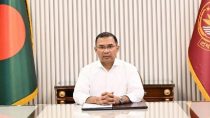
On 6 October, some people at the cabinet meeting led by Prime Minister Mr. Tarique Rahman asked to bring back Gram Sarkar. The meeting asked to place the matter on the next agenda. Former President Mr. Ziaur Rahman started a system called Gram Sarkar in 1980. A law followed in 2003, but the government later cancelled it. That law planned one head, one adviser and 13 members for each ward.