Hasina card and friendship cannot coexist
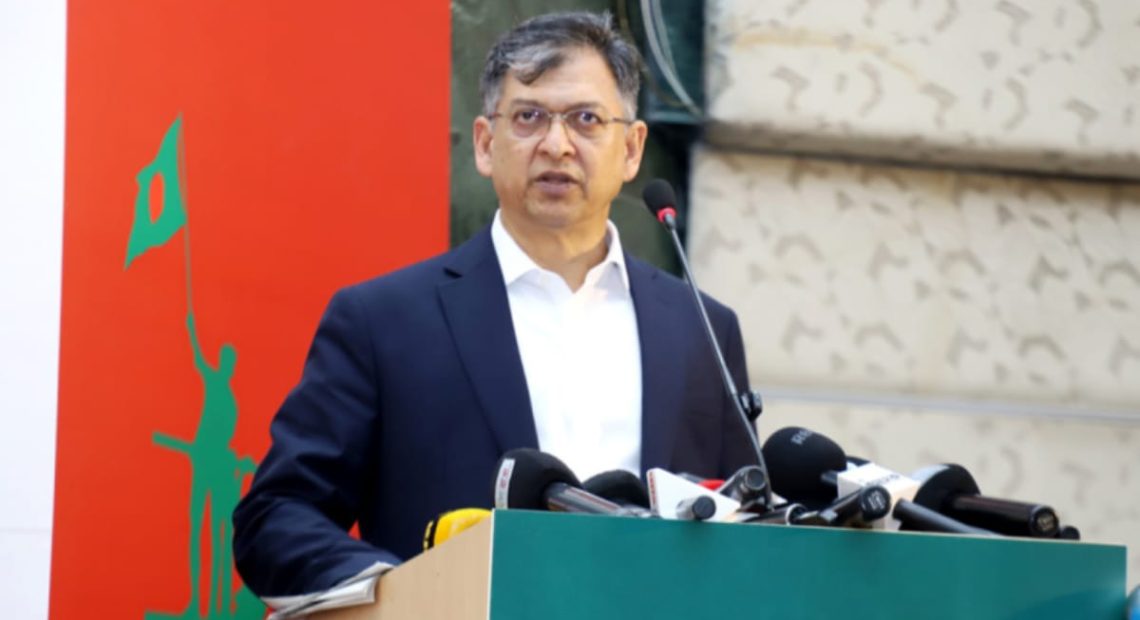
Salahuddin Ahmed, the home minister of Bangladesh, has strongly criticised India for repeatedly allowing Sheikh Hasina, the ousted former prime minister, to speak from Indian territory. Speaking at a discussion titled “The Role of University Teachers in Ousting the Fascist Government” at Dhaka University’s Nawab Nawab Ali Chowdhury Senate Hall on Saturday, the minister said India’s continued support for Hasina’s public remarks was inconsistent with maintaining friendly diplomatic relations with Bangladesh.
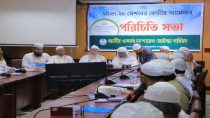
The DU White Panel and UTAB jointly organised the event to mark the second anniversary of the July uprising. Ahmed said India could not play the “Hasina card” while expecting cordial relations with Dhaka, stressing that bilateral ties should be based on mutual respect, sovereignty and equality. He questioned how a democratic country could provide such a platform while claiming not to support Hasina’s statements. He also said New Delhi could not avoid responsibility for giving refuge to a convicted criminal facing death sentences and allegations of crimes against humanity.
Ahmed said the issue had become particularly sensitive because Hasina had continued to address international media from India despite leaving office. According to him, allowing her to use Indian territory for political statements while seeking friendly relations with Bangladesh created a contradiction in bilateral diplomacy. He argued that neighbouring countries should respect each other’s sovereignty and avoid actions that could undermine political stability or mutual trust.
On domestic political reforms, Ahmed said the July uprising had ended 17 years of oppression and dictatorship after the fall of the previous government. He said the interim government planned constitutional changes to prevent the concentration of power and future authoritarian rule. The proposed reforms include limiting a prime minister to two terms and establishing checks and balances between two equal parliamentary chambers. Ahmed urged citizens and students to uphold democratic tolerance, remain politically vigilant and avoid misleading political traps and misinformation.
The minister also stressed the importance of protecting the democratic gains achieved through the July uprising. He said political differences should be managed through democratic institutions rather than confrontation and authoritarian practices. He called on students, teachers and citizens to contribute to building a political culture based on tolerance, accountability and respect for democratic principles.