Hasnat Accepts PM’s Power Crisis Challenge
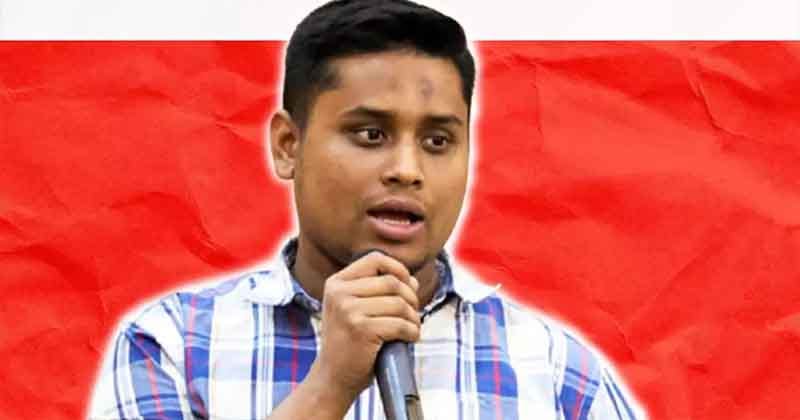
Prime Minister Tarique Rahman’s six-month challenge to offer a comprehensive solution to the current national power crisis has been publicly accepted by NCP leader Hasnat Abdullah. Mr. Hasnat attacked the government’s administration in a Facebook post, pointing out a large, incompetent group of 62 ministers and advisors who had supposedly disregarded expert recommendations. He argued that although the opposition has previously produced well-researched energy recovery plans, the PM has not received these crucial insights. A serious failure in democratic governance and operational ability is shown by this gap between the government’s bloated cabinet and the urgent demands of the public.
The opposition’s main points are based on four important foundations. First, the government has yet to review the fifteen unique short-, medium-, and long-term alternatives that the NCP has previously offered. Second, institutional memory has been seriously damaged by political appointments, depriving the country of any useful fuel, backup plans, or disaster recovery strategies. Third, after six months in office, the administration has not addressed the reasons why load-shedding is at an all-time high. Lastly, Mr. Hasnat suggested that the ‘Merchant Power Policy 2025,’ which permits private producers to sell power directly to industrial users without the need for extra government financing or financial pressure, be put into effect right away.
Hasnat Abdullah emphasised that although the opposition has the answers, the government still has the real executive authority. He cautioned the PM that rather than being a policy discussion, the six-month deadline is now a test of administrative capacity. It will be an obvious admission of complete operational failure if the government does not adopt the suggested merchant policy within this time range. The people will eventually hold the administration responsible as the country suffers in the dark, making them answer for whether the failure was caused by severe political inactivity or incompetent leadership.