India Will Never Hand Over Hasina to Bangladesh: Sreeradha Dutta
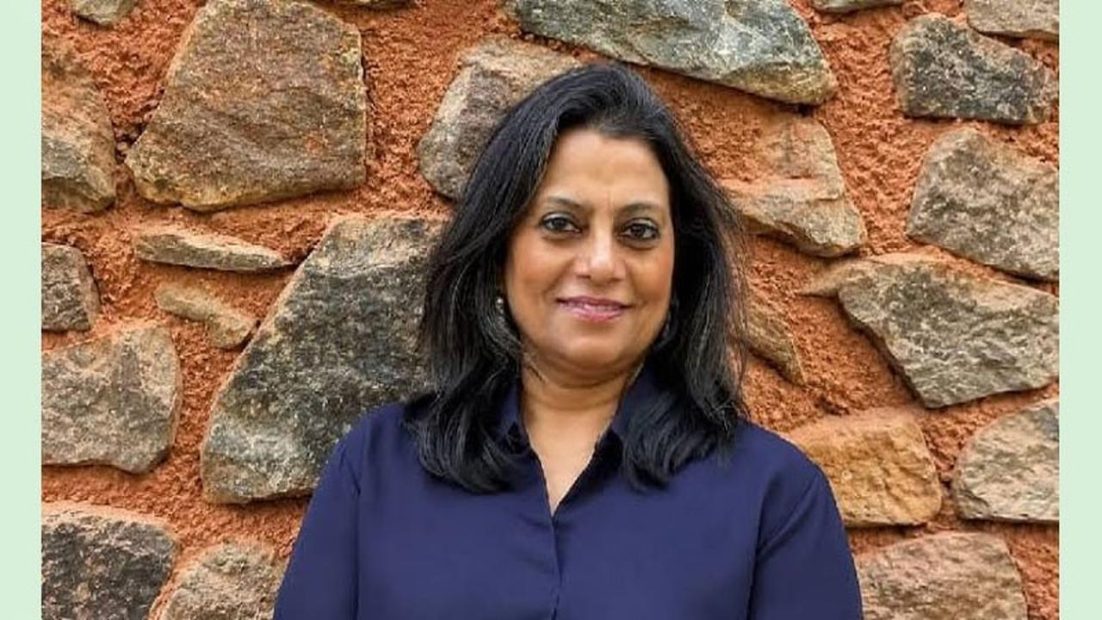
India will never hand over former Prime Minister Sheikh Hasina to Bangladesh, said Sreeradha Dutta, an Indian expert on international relations and a professor at Jindal Global University. Sheikh Hasina was removed from power following the student-people’s movement and fled to India.
Ms. Dutta said Hasina is a close ally of India. So, no matter how strongly Bangladesh demands her return, New Delhi will not want to hand her over. Even if all legal and technical steps are completed, India’s political decision may stop the extradition.
However, she believes that relations between the two countries should not remain stuck over the issue of Hasina’s extradition alone. According to her, the diplomatic deadlock is growing longer because both Bangladesh and India are taking firm positions. To end this situation, one side must start talks without setting conditions or counter-conditions.
In an interview with the English Daily Waada last Friday, Ms. Dutta shared her views on the current deadlock in Bangladesh-India relations and the extradition of Sheikh Hasina. Ms. Dutta said these were her personal views. She was speaking based on her understanding as a student of politics.
She said Hasina’s extradition would not create a way to end the current deadlock. Extradition is a long process. But even if the legal and technical steps could be completed quickly, the main question would remain: Does India want to hand her over?
“In simple words, I do not think India wants to do so, and it will not want to do so in the future either,” she said. The professor, who has done extensive research on Bangladesh, pointed to some parts of the extradition treaty between Bangladesh and India. These parts allow a country to reject an extradition request under certain conditions. She said several articles of the treaty clearly mention the conditions under which extradition may be refused.
However, Ms. Dutta admitted that Bangladesh would naturally continue to demand Hasina’s return. This is because of the circumstances in which she was removed from power and the allegations against her. Ms. Dutta also raised questions about Sheikh Hasina’s passport and the process of her return to Bangladesh. She said Hasina does not need an extradition treaty or a passport if she wants to return home. She can return to Bangladesh in the same way she went to India.
“If she wants to return, she certainly can. She can go back in the same way she came. She does not need an extradition treaty or a passport for this,” Ms. Dutta said. She explained that a passport may be needed to travel to a third country. But returning to one’s own country is different. She also said the discussion about Hasina’s passport was only a way to divert attention from the main issue.
“In my view, the things we are hearing about Sheikh Hasina’s passport are simply a way to divert attention from the main issue. If she wants to return home, a way can surely be found. The debate over her passport and other matters is unnecessary,” she said. Ms. Dutta also said Sheikh Hasina was trying to remain politically relevant while living in exile.
According to her, Hasina is trying to keep her political position in public discussion through different interviews, articles and videos shared by her supporters. One possible aim is to show Awami League leaders, activists and supporters that the party’s leadership is still active and important.
Ms. Dutta also mentioned recent events in Gopalganj. She said a group of Awami League supporters is still connected to the party. Keeping the political importance of the leadership alive remains important to them.
However, Ms. Dutta believes that the views of Awami League supporters are not the same as those of ordinary people in Bangladesh. In her view, a large part of the population, especially the young generation, has a negative view of Sheikh Hasina. She said political and social anger had grown during Hasina’s 15 years in power. The violence during the July 2024 movement also created deep anger among young people.
The young people experienced violence and attacks during the movement. These memories will not disappear from their minds so quickly.
According to Ms. Dutta, these experiences will affect the political views of Bangladesh’s young generation and their relationship with the state for a long time. She also said Bangladesh and India have many important issues beyond Hasina’s extradition. These include the sharing of Ganges water, border issues, security and bilateral trade. She believes these issues should be discussed and solved separately instead of being mixed together.
Ms. Dutta said both Dhaka and New Delhi must move away from their firm positions to improve relations. Instead of setting conditions before starting talks, the two countries should try to solve their differences through discussion. She said the economies, security and regional communication systems of the two countries are closely connected. A long diplomatic deadlock is not sustainable for either side.
As the futures of India and Bangladesh are linked, both countries will eventually have to return to the path of cooperation.