
Inflationary pressure persists as food prices rise again
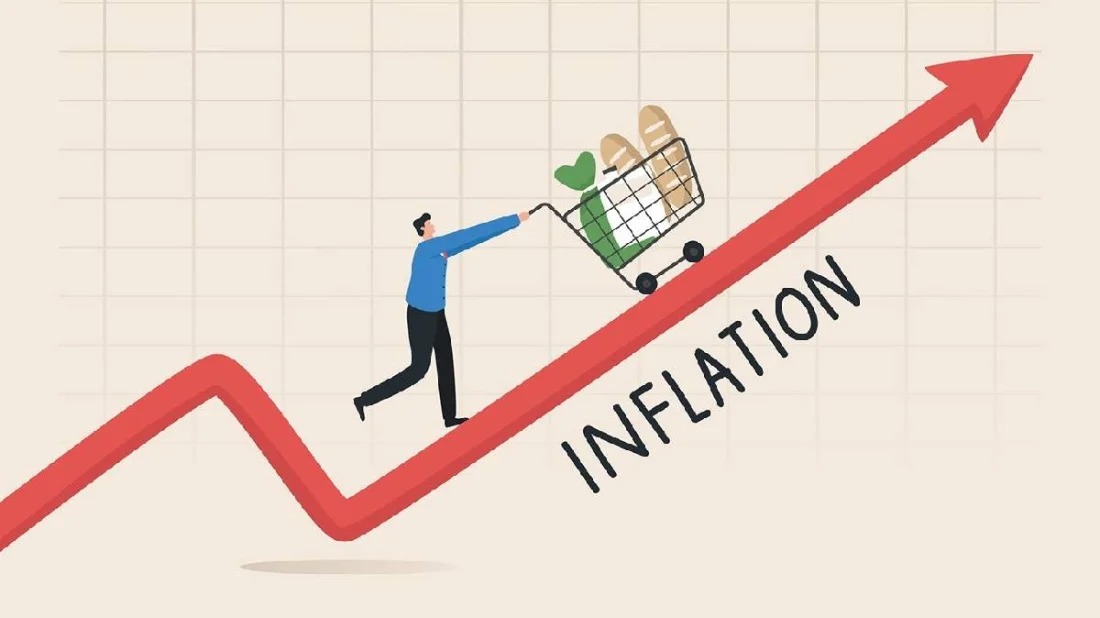
Bangladesh’s economy remained under pressure in the third quarter of FY2025-26, as high inflation, weak private-sector credit growth, rising non-performing loans (NPLs), and sluggish revenue collection weighed on economic activity. However, record remittance inflows, a current account surplus, and improvements in the external sector provided some relief.
According to Bangladesh Bank’s latest quarterly assessment, inflation remained elevated despite tight monetary policy. Point-to-point inflation rose to 8.71 percent in March 2026 from 8.49 percent in December 2025. Food inflation increased to 8.24 percent from 7.71 percent, while non-food inflation eased slightly to 9.09 percent.
The central bank attributed the rise in food prices to higher demand during Ramadan and Eid, along with supply disruptions linked to the Middle East conflict. Wage growth stood at 8.09 percent, remaining below inflation and continuing to erode purchasing power.
Prices of vegetables, meat, fruits, and spices rose significantly, while rice inflation turned negative, at 2.2 percent, for the first time in nearly 20 months due to a strong Aman harvest, favourable Boro crop prospects, imports, and subsidised TCB sales. Higher global food and fuel prices also continued to put pressure on domestic inflation.
Sector insiders said inflation remains the country’s biggest economic challenge, arguing that high interest rates alone cannot contain price pressures. They called for better market management, stronger supply chains, greater competition, and increased private investment.
To curb inflation, Bangladesh Bank kept the policy rate at 10 percent and the Standing Lending Facility (SLF) at 11.50 percent, while lowering the Standing Deposit Facility (SDF) rate from 8 percent to 7.50 percent. Call money and interbank repo rates remained stable, while yields on government treasury bills and bonds declined as liquidity improved and demand for private-sector loans weakened.
Private-sector credit growth fell to 4.72 percent by the end of March, well below the 8.5 percent target and the lowest level in recent years. In contrast, government borrowing from banks increased sharply, pushing public-sector credit growth to 31.51 percent.
Although the budget deficit narrowed slightly, this reflected lower government spending rather than stronger revenues. Revenue collection fell by 4.28 percent, and expenditure declined by 3.45 percent, prompting the central bank to call for tax reforms, a broader tax base, and modernised tax administration.
The external sector remained a key source of strength. Record remittance inflows of US$9.94 billion helped offset the trade deficit, resulting in a current account surplus of US$189 million. Higher foreign direct investment, trade credit, and long-term external borrowing also strengthened the financial account.
Despite improved liquidity, the banking sector remained under strain, as the NPL ratio rose to 32.26 percent from 30.60 percent in the previous quarter. However, stronger deposit growth and ongoing risk-based reforms are expected to support the sector over the longer term.
Meanwhile, the capital market showed signs of recovery, with the DSEX index rising 6.43 percent and the Dhaka Stock Exchange’s market capitalisation exceeding Tk 3.4 trillion. Trading activity also increased as investor confidence gradually improved.
Bangladesh Bank said the economy presents a mixed picture, with weak growth, investment, and industrial production contrasting with a resilient external sector. It said inflation control, banking reforms, industrial revival, and targeted credit support will be crucial to recovery, particularly if global energy prices ease and structural reforms continue.
Economist and former caretaker government adviser Dr. A. B. Mirza Azizul Islam said the current account surplus and strong remittance inflows are encouraging but warned that rising default loans and weak private-sector credit growth remain major risks. He stressed that structural banking reforms, stronger revenue mobilisation, and a better investment climate are essential for sustainable recovery.