Microplastics now found in pond fish too
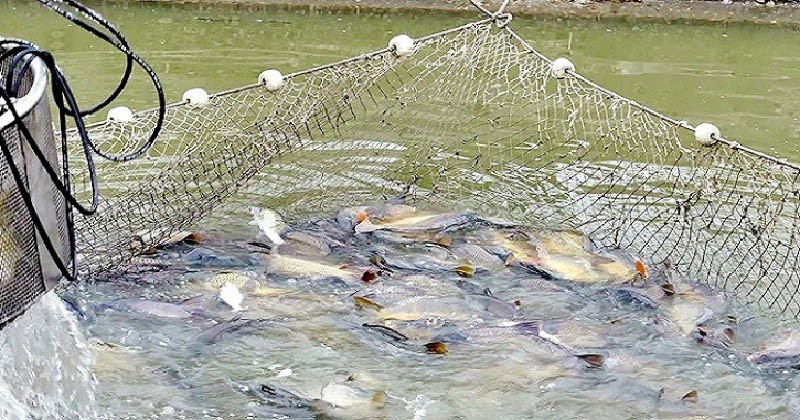
Researchers have detected microplastics in sediment and fish samples from freshwater fish farming ponds in Bangladesh. The study found that the bottom sediment of most ponds has medium to high levels of contamination. Microplastics had earlier been found in rivers, the sea and even hilsa, but this is the first such integrated study of farmed ponds.
According to the researchers, these findings are extremely important for understanding how microplastics enter the aquatic food chain.
The study, conducted in Mymensingh’s Trishal upazila, found microplastics in every sediment sample from the 25 ponds selected. The tiny particles were also found in fish samples, raising fresh concerns about potential risks to fisheries resources, the environment and public health.
The study is titled “Microplastics in freshwater aquaculture: Evidence of sediment-fish transfer and associated ecological risk in Bangladesh.” It was published this month in the international scientific journal Environmental Pollution.
The researchers claim this is the first study of its kind on the presence of microplastics in farmed freshwater fish, and that it could play a major role in assessing potential harm to the country’s fisheries resources.
Trishal in Mymensingh is one of the principal freshwater fish farming regions. Fish are produced commercially here using intensive and semi-intensive methods. Samples were collected from 25 farms in winter. The study was led by Professor Badiuzzaman Khan of the Institute of Environmental Science and Disaster Management at Bangladesh Agricultural University.
He said this is the first study of its kind on the presence of microplastics in farmed freshwater fish. It could play a major role in assessing potential harm to the country’s fisheries resources.
Professor Badiuzzaman said the main objective of the study was to determine the presence and characteristics of microplastics in pond-bottom sediment and in fish. It also aimed to assess the relationship between the fish’s physical characteristics and microplastic intake, the chemical composition of the plastics, and the ecological risk.
Plastic particles smaller than five millimetres are generally called microplastics. These tiny particles are formed when plastic bags, packaging, ropes, fishing nets and various waste materials break down, and they spread through the environment.
The study of the 25 ponds in Trishal found an average of 11.04 microplastic particles per kilogram of bottom sediment. The Pollution Load Index values ranged from 1 to 4.5, on the basis of which most sites were classed as moderately to highly contaminated. Because water exchange in ponds is limited compared with flowing rivers, these particles have the opportunity to accumulate on the bottom for a long time. As a result, fish and other aquatic animals that forage on the bottom face a greater risk of ingesting them. However, the level of ingestion may vary depending on species, feeding habits and the pond environment.
The researchers examined a total of 150 fish of six species and identified a total of 90 microplastic particles. The average number of particles per fish was 0.60. The difference between species was notable: silver barb (sarputi) had an average of 1.20 particles per fish, while the average for rohu and mrigal was 0.68. Catla, common carp and pangas, on the other hand, had comparatively fewer particles.
By habitat layer, bottom-dwelling fish accounted for 52 percent of all particles identified. The figure was 35 percent for mid-layer fish and 13 percent for surface fish. Professor Badiuzzaman Khan said fish are given a lot of feed. “I’m not saying all feed is bad. But some feed contains these,” he said. Sometimes floodwater carries microplastics from other places into ponds, he said. “We mainly saw their presence in the fish’s digestive tract.”
The study mainly identified the polymers polyethylene (PE) and polypropylene (PP). Polyethylene is commonly used in bags and packaging, and polypropylene in containers, ropes and plastic products. According to the researchers, possible sources include fish feed, sacks, packaging, fishing equipment, water pipes and household waste. However, further analysis of separate samples is needed to confirm specific sources.
About 22,000 ponds in Trishal upazila are used for fish farming, and 72,000 metric tonnes of fish are produced a year. Shahana Nazneen, senior upazila fisheries officer, said poultry farms on pond banks may cause contamination. “Pollution in fish farming can occur because of poultry on the banks of fish ponds,” she said. “We have already begun a drive on this. A chicken farm has already been removed from beside one pond.”
The researchers said the situation has reached the point where microplastics have spread everywhere. “There is no proper place to dispose of it. Almost no processing is being done. We have seen the presence of microplastics in the human body. So there is no guarantee that it will not reach the human body through fish.”
They said that because polyethylene is made up of countless molecules, it does not break down easily under cooking heat. As a result, it can enter the human body through fish and may adversely affect liver and kidney function.