Modern Qawmi Society and Opposition to Milad: Deoband’s Legacy or Salafi Influence?
Mufti Maulana Badruzzaman Riyad
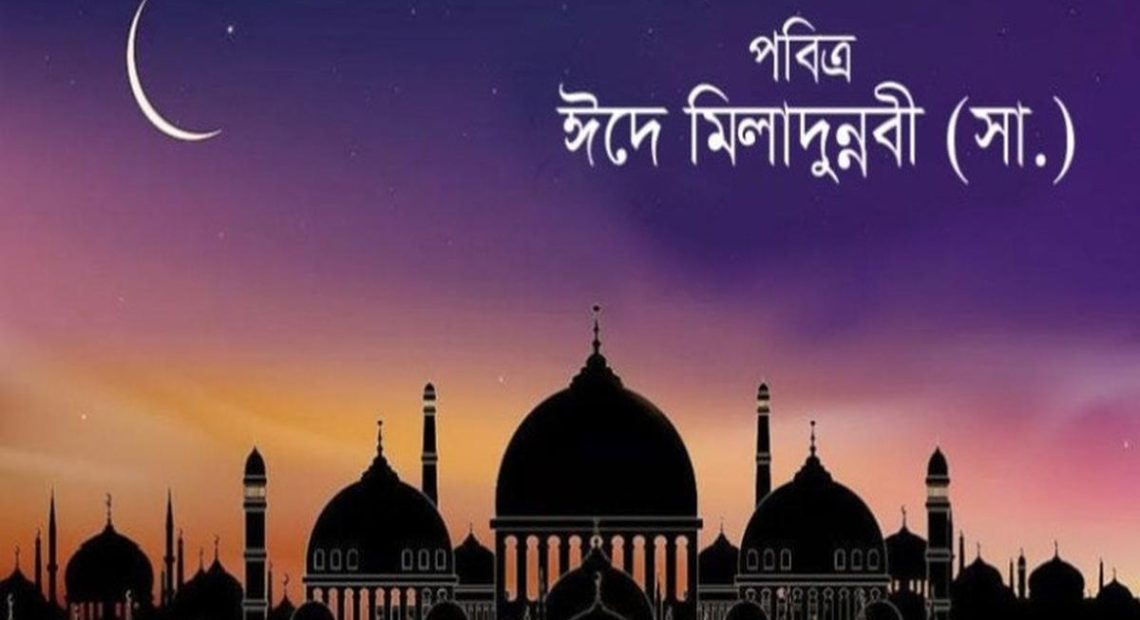
The harsh criticism and fatwas against Eid-e-Milad-un-Nabi ﷺ seen in parts of today’s Qawmi circles raise a question: do these views represent the traditional position of Ulama-e-Deoband, or later influence from another ideology? Disliking Milad or Qiyam is one matter; declaring every form of it shirk or bid’ah is another. The issue deserves examination through history and the statements of Deoband’s elders.
- A warning against condemning earlier scholars
The Prophet ﷺ said: ولَعَنَ آخرُ هذه الأمةِ أولَها — warning that later generations of this Ummah would condemn its earlier ones. This should not be applied to any specific group, but it warns against disrespecting earlier righteous scholars — relevant when some claim to represent Deoband while harshly criticizing its leading figures.
- Haji Imdadullah Muhajir Makki (RA)
A major spiritual guide of the Ulama-e-Deoband, he was associated with Milad gatherings. In *Faisala-e-Haft Mas’ala*, he wrote:
فقير کا مشرب يہ ہے کہ محفل مولود ميں شريک ہوتا ہوں- بلکہ برکات کا ذريعۃ سمجھ کر ہر سال منعقد کرتا ہوں اور قيام ميں لطف ولذت پاتا ہوں
i.e., he attended Milad gatherings, organised them annually as a means of blessing, and found pleasure in Qiyam. If someone today calls Milad or Qiyam inherently shirk, how should his practice be understood? If he committed no shirk or bid’ah, such sweeping condemnation cannot be Deoband’s true language.
- Ashraf Ali Thanvi (RA)
Ashraf Thanvi (RA) held a nuanced view. He wrote:
اگر کوئی شخص ميلاد ميں اس قسم کی مخصوص کی ہوئی باتيں (تاريخ قيام وغيرہ) اختياری سمجھتا ہے اور بذات خود عبادت نھيں سمجھتا بلکہ صرف مصلحت سے ان پر عمل کرتا ہے… تو يہ بدعت نہيں ہے
He also said:
اگر تم اس کو ضروري نہيں سمجھتے ہو تو ايک دفعۃ تم قيام مت کرو- ہمارے ساتھ بيٹے رہو تو ہم ايک دفعۃ تمہارے ساتھ قيام کرنے کو تيار ہيں- يہ اس امر کا ثبوت ہو گا کہ قيام کو ناجائز يا حرام ہم بھی نہيں
Thus he never declared Qiyam itself unlawful; his concern was against treating it as an independent, obligatory act of worship.
- Rashid Ahmad Gangohi (RA): basically permissible
Ahmed Gangoh (RA)i, referencing Haji Imdadullah, stated in Fatawa Rashidia:
در اصل یہ مباح ہيں
He regarded them as fundamentally permissible, objecting only when treated as Sunnah or obligatory. He added:
پس فی الحقيقت مخالفت اصل مسائل میں نہيں ہوئی
— the real disagreement was not over the gathering itself, but over beliefs about its religious status.
- Where the actual disagreement lies
The problem arises when people treat Milad or Qiyam as obligatory at a fixed time — attributing to Shariah something it never prescribed. But this doesn’t justify calling the entire practice shirk. Rejecting an unfounded obligation is different from declaring the whole practice shirk.
- Al-Muhannad: a key Deobandi reference
Maulana Khalil Ahmad Saharanpuri cited Ahmad Ali Saharanpuri’s view: if a Milad gathering discusses authentic accounts of the Prophet Muhammad’s ﷺ life without neglecting obligatory worship, violating early practice, involving shirk or unlawful activity, and without treating it as obligatory at a specific time, he said:
لا نعلم أحدا من المسلمين أن يحكم عليه بكونه غير مشروع
— he knew of no Muslim scholar who would rule it unlawful.
- “Milad” and “Shirk” are not the same
If a specific gathering contains wrong beliefs (e.g., claiming the Prophet Muhammad ﷺ is physically omnipresent or has independent knowledge of the unseen), those beliefs must be corrected, and unlawful acts within a gathering condemned specifically. But this doesn’t mean every Milad gathering is shirk — the error should be identified and corrected, not the whole institution condemned.
- Following the elders means accepting their nuance
Some contemporary speakers claim to follow Deoband’s elders while selectively quoting them, stripping context to fit predetermined conclusions. True adherence means accepting their full positions — respecting their strictness where present, retaining their conditions, and not overriding their permissions with personal preference.
- The question of modern Salafi influence
Some contemporary Qawmi discourse seems shaped more by modern Salafi/non-madhhabi standards than by the traditional Deobandi blend of Hanafi fiqh, Tasawwuf, respect for elders, and nuanced disagreement. This isn’t an attack on anyone’s belief — the question is whether prioritizing a contemporary ideological framework over Deoband’s nuanced positions can honestly be called representing that legacy.
- Judging the elders by today’s standards
Haji Imdadullah organised Milad and enjoyed Qiyam; Thanvi discussed it without declaring it haram; Gangohi called it basically permissible; Ahmad Ali Saharanpuri accepted a properly conducted gathering. No Deobandi scholar would call these elders ignorant of shirk — so presenting them as having rejected Milad entirely distorts history.
- Does this make everything done in Milad’s name permissible?
No. Obscenity, improper gender-mixing, fabricated Hadith presented as authentic, false beliefs about the Prophet Muhammad ﷺ, neglect of obligatory prayers, and extravagance must all be rejected. But such abuses at some gatherings don’t make discussing the Prophet’s ﷺ life, character, and sending blessings upon him inherently shirk — that conclusion lacks proper juristic distinction.
- Disagreement is fine; condemning the elders is not
One may choose not to celebrate Milad, or oppose modern gatherings due to irregularities — legitimate debate. But calling every attendee a mushrik or every Qiyam-performer a practitioner of bid’ah raises the question: where does that leave Haji Imdadullah, Gangohi, Thanvi, and Ahmad Ali Saharanpuri?
- Don’t invoke the elders against their own positions
Deoband’s elders combined knowledge with respect, jurisprudence with piety, and disagreement with fairness. Milad and Qiyam may remain subjects of legitimate scholarly debate, but that debate shouldn’t become a campaign against the very scholars whose legacy is invoked. Following the elders means accepting their complete positions — not using their names selectively to support conclusions they never held.
Author: Chief Muhaddith, Darul Hadith Latifia Northwest, UK.