No PM Visit to India Without Extradition of Hadi Killers and Hasina
Mobayedur Rahman
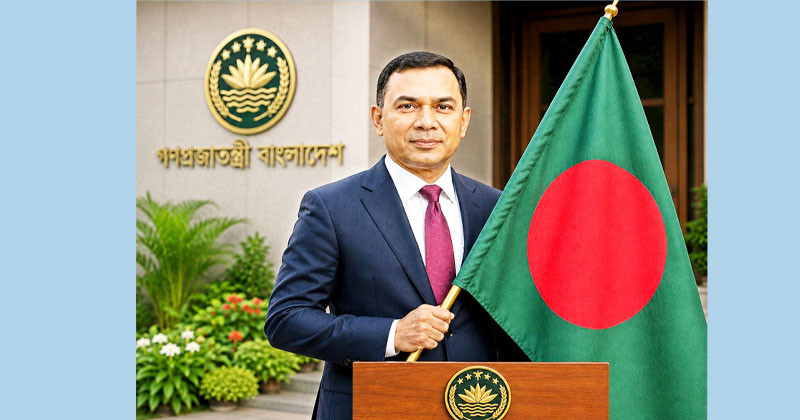
Last week, I wrote in my column in Dainik Inqilab about Bangladesh-India relations under the headline “Red Line on Bangladesh-India.” At the beginning of that article, I thanked Prime Minister Tarique Rahman. Today, I had planned to write about another issue, but the latest development in Bangladesh-India relations has made it necessary for me to return to the subject. I welcome the government’s firm position toward India. So far, I believe that only the post-July 24 revolution government led by Dr Muhammad Yunus had taken a similarly strong position.
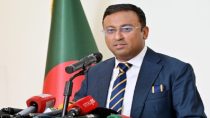
On Sunday, August 16, I saw an online report stating that Prime Minister Tarique Rahman’s proposed visit to Delhi had been postponed because the conditions were not favorable. The Foreign Ministry officially said, “A favorable environment needs to be created for this visit.” Foreign Ministry spokesperson AKM Shahidul Karim said this at a press briefing in Dhaka on Sunday afternoon. Earlier, Indian media had reported that Tarique Rahman might visit India for two days in the middle of August.
Shahidul Karim said, “We have requested the Indian authorities to immediately return Sheikh Hasina and other fugitive criminals and hand over the accused killers of Shaheed Sharif Osman Hadi to Bangladesh as per the bilateral extradition agreement. Bangladesh is awaiting this response.” The Foreign Ministry also said, “The manner in which Sheikh Hasina, who was convicted of crimes against humanity by the International Crimes Tribunal, spoke at a public press conference in New Delhi on August 5 has destroyed the atmosphere of this process. We have made our position clear on this issue. We believe that it is necessary to create a conducive environment for this visit.”
I see this as a clear indication that Bangladesh wants the extradition issue resolved before the prime minister visits India. Bangladesh has already sent the necessary legal documents to India for the extradition of suspects in the Osman Hadi murder case. Home Minister Salahuddin Ahmed said last July that the documents for the extradition of three suspects, including the main accused, Faisal Karim Masud, had been handed over to the Indian authorities. He also said that the suspects were facing legal proceedings in India and that, under the Bangladesh-India extradition treaty, they could be handed over to Bangladesh even while the case was pending, if necessary.
The Indian newspaper The Indian Express reported on August 16 that an Indian court would decide on former PM Sheikh Hasina’s extradition. According to the report, senior Indian officials said the final decision would be made through the judicial process rather than through political or diplomatic channels. The report said the Indian court would examine whether the offences alleged against former PM Sheikh Hasina by Bangladesh are also recognised as crimes under Indian law. It also said Bangladesh is relying mainly on the November 2025 International Criminal Tribunal verdict, which found her guilty of crimes against humanity.
Awami League leaders, however, are expected to challenge the extradition process on several grounds. One argument could be that the verdict was delivered during the interim government led by Muhammad Yunus. I believe Bangladesh’s position on the issue is clear. There should be no attempt to avoid the extradition process through political or diplomatic pressure. The government’s position also became clearer after Indian High Commissioner Dinesh Trivedi met Prime Minister Tarique Rahman on August 10. Foreign Minister Khalilur Rahman, Home Minister Salahuddin Ahmed and Foreign Affairs Adviser Humayun Kabir were also present at the meeting.
After that meeting, reports emerged that PM Tarique Rahman had made it clear that he would not visit India until the extradition of former PM Sheikh Hasina and those accused of killing Sharif Osman Hadi was addressed. The Indian high commissioner’s subsequent visit to Delhi also drew attention. After meeting PM Tarique Rahman on August 10, Dinesh Trivedi reportedly flew to Delhi within an hour. The next morning, August 11, he met Indian Prime Minister Narendra Modi. While Trivedi was in Delhi, The Tribune reported that PM Tarique Rahman had set conditions for his India visit. According to the report, former PM Sheikh Hasina and those accused of human rights violations during the July Revolution would first have to be returned to Bangladesh. The report also said that those accused of killing Osman Hadi would have to be handed over.
There had been repeated speculation in Indian and Bangladeshi media that PM Tarique Rahman would visit Delhi on August 20-21 or August 21-22. Several Bangladeshi outlets published those reports without independent verification. The Foreign Ministry has now clarified the matter. I believe this clarification is important because the question of the prime minister’s India visit cannot be separated from the extradition issue.
I also believe that the people of Bangladesh expect accountability for those accused of serious crimes. Former PM Sheikh Hasina has the right to challenge the legal process through the courts if she returns to Bangladesh. But the issue should be resolved through law, not political pressure. The government must continue to pursue the extradition of former PM Sheikh Hasina and the suspects in the Osman Hadi murder case through the existing legal and bilateral framework. At the same time, the process should remain transparent and based on evidence and law.