Opposition Holds Talks to Form Government, Oust Netanyahu
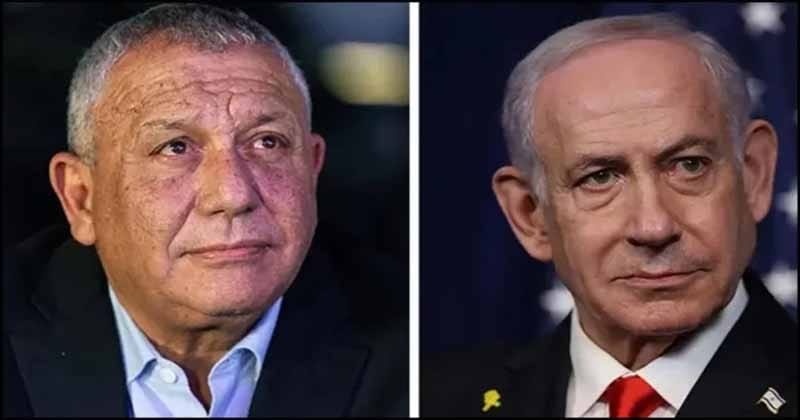
Following the final results of the Israeli parliamentary election released on Friday, no political party or bloc has secured the 61-seat majority required to form a government in the 120-seat Knesset. Prime Minister Benjamin Netanyahu’s right-wing coalition won 53 seats, with his Likud party taking 27, while Shas and United Torah Judaism secured 6 and 7 seats respectively. The main opposition bloc secured 48 seats, led by Gadi Eisenkot’s Yashar with 21 seats and Naftali Bennett’s BeYachad with 12. Meanwhile, the Arab-led parties, Joint List and Ra’am, won a combined total of 19 seats in an election that recorded a voter turnout of 77.9 percent.
The mathematical path to ousting Mr. Netanyahu relies heavily on the 19 seats held by the Arab parties, which would elevate the opposition’s total to 67 seats. However, establishing a unified coalition has proven contentious among opposition leaders due to deep ideological divides. While Democratic Chairman Yair Golan actively met with leaders including Ra’am Chairman Mansour Abbas and publicly advocated for joint cooperation with Arab parties, key opposition figures such as Mr. Yashar, Mr. BeYachad, and Mr. Yisrael Beytenu have firmly opposed forming a government alongside Arab factions, leaving the coalition equation in deep uncertainty.
Despite the split outcome, opposition leader Yair Lapid addressed supporters on social media on Friday, framing the election results as a crucial shift in the political landscape. Urging patience, Mr. Lapid acknowledged that while a direct victory did not materialize, reducing Netanyahu’s coalition from 68 seats down to 53 represents an opposition victory. He remarked that a win is a win, regardless of the narrow margin, adding that excluding non-Zionist ultra-Orthodox parties leaves Netanyahu’s core coalition with only 40 seats. Nevertheless, Mr. Lapid recognized that this breakdown does not automatically guarantee an opposition-led government.
Simultaneously, Mr. Netanyahu is moving aggressively to preserve the unity of his right-wing alliance and block any opposition maneuvers. On Thursday, the PM held prolonged strategic discussions with National Security Minister and Otzma Yehudit Chairman Itamar Ben-Gvir, as well as Religious Zionist Party Chairman Bezalel Smotrich. Mr. Netanyahu explicitly assured his political partners that their bloc would remain united throughout the negotiations. As coalition talks progress, Mr. Eisenkot is preparing key legislative proposals for the new Knesset session, including mandatory military or national service for all citizens and a state commission of inquiry into the October 7, 2023 attacks.
With the official swearing-in ceremony for the new Knesset scheduled for November 10, the political process moves forward alongside investigations into external integrity. Addressing allegations of foreign interference, Mr. Eisenkot met with Shin Bet Chief David Zini and Central Election Committee Chairman Justice Noam Solberg, noting it is premature to confirm interference while demanding agencies operate free from political pressure. Meanwhile, Central Election Committee Acting Director-General Dean Livne dismissed fraud claims as baseless, asserting that ongoing inquiries will not alter the election results and warning against placing Arab voters under blanket suspicion.
Source: The Times of Israel