Over 33,000 Hectares of Fallow Land in Barguna Hold Potential to Unlock Three-Crop Farming Boom
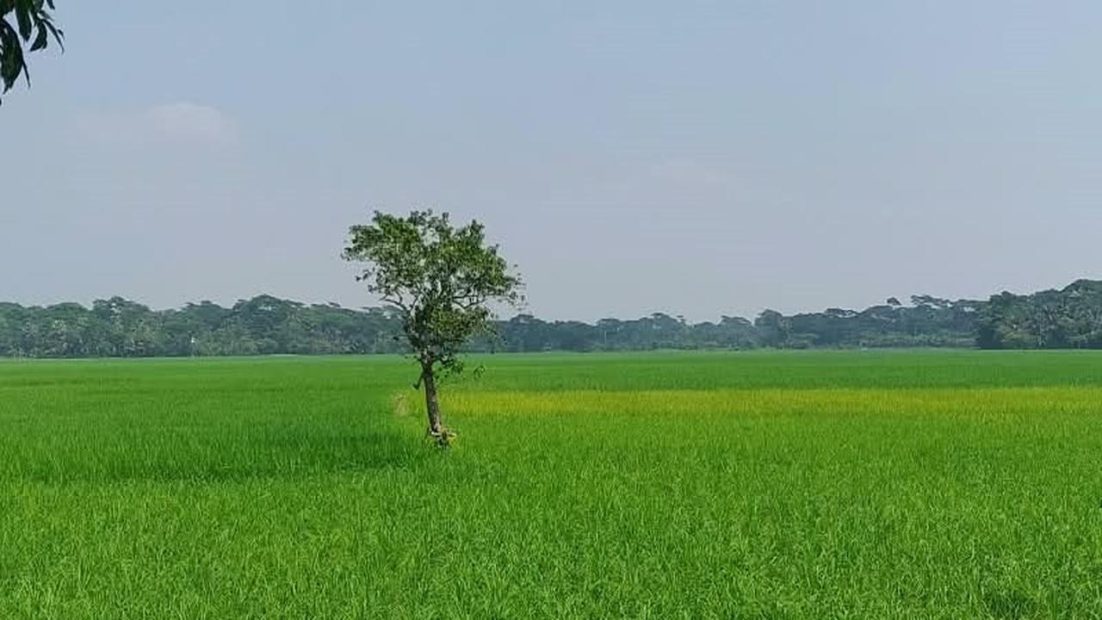
More than 33,000 hectares of land in coastal Barguna remain temporarily fallow, limiting the district’s agricultural potential. Bringing much of this land under cultivation could boost food production, increase farmers’ incomes and strengthen the rural economy.
Salinity, inadequate irrigation, waterlogging, poor drainage, shortages of quality seeds and other agricultural inputs, and low prices for produce prevent farmers from cultivating many fields throughout the year. Proper planning, suitable crop selection, improved water management and effective incentives could help bring a significant portion of the land under multiple cropping.
Agricultural conditions vary across Barguna’s six upazilas: Barguna Sadar, Amtali, Taltali, Patharghata, Betagi and Bamna. Salinity from rivers and seawater affects some areas, while waterlogging during the monsoon and irrigation shortages in the dry season hamper cultivation elsewhere. The risk of coastal disasters also complicates agricultural planning.
Experts say mung beans, mustard, sunflower, sesame, wheat and winter vegetables can be grown on coastal farmland after the Aman rice harvest by making use of residual soil moisture.
Crop diversification is already showing promise in the district. In Sowdagarpara village of Taltali upazila, farmers began growing vegetables on raised land that had previously remained uncultivated because of salinity. More than 200 farmers are now involved in vegetable production, supplying produce to different parts of the country.
Mustard cultivation after the Aman harvest has also expanded. Varieties BARI-14, BARI-17, BARI-18, BARI-19 and Tori-7 are being grown in Barguna Sadar, Patharghata, Amtali, Taltali and Betagi. According to the Department of Agricultural Extension, mustard was cultivated on 145 hectares in Barguna Sadar alone in the 2025–26 fiscal year.
However, soil salinity, irrigation shortages during the dry season, excessive rainfall, waterlogging and the threat of cyclones put farmers’ investments at risk. Rising production costs, labour shortages, difficulties in securing agricultural loans and low prices at harvest add to their problems.
To address these challenges, authorities need to prepare an accurate inventory of fallow land in each union. Measures should include supplying salt-tolerant and short-duration seeds, re-excavating canals and drainage channels, conserving rainwater and ensuring affordable irrigation. Easier access to agricultural loans and incentives, along with improved storage and marketing facilities, is also needed.
The Department of Agricultural Extension, the Bangladesh Agricultural Development Corporation (BADC), agricultural research institutions and local administrations need to coordinate efforts to bring the district’s fallow land under cultivation. Expanding multiple cropping, including three crops a year where conditions permit, could help transform Barguna’s coastal economy.