PM weighs cabinet changes as 180-day targets near deadline
Faruk Hossain
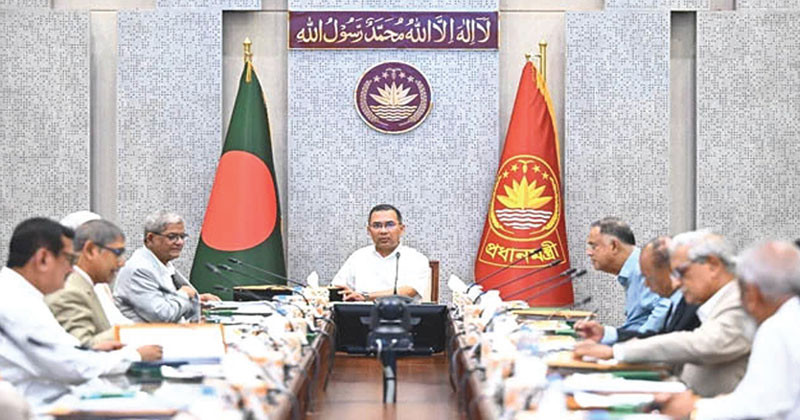
The BNP government, led by Prime Minister Tarique Rahman, is approaching the end of its first 180 days in office. At its first cabinet meeting on February 18, the Prime Minister announced a six-month action plan based on the election manifesto and warned ministers that their performance would be reviewed. The PM himself has received praise for regularly working from the Secretariat, limiting his security protocol, using his own residence and car, and returning 10 percent of his salary to the government fund. These measures, along with welfare initiatives, have helped improve the government’s public image. Most ministers, however, have failed to match his performance, although several state ministers have reportedly performed relatively well.
BNP Secretary General and Local Government Minister Mirza Fakhrul Islam Alamgir has emerged as a leading candidate for president after several senior party leaders reportedly recommended his name to Tarique Rahman. If elected, his ministerial and party positions would fall vacant, with Senior Joint Secretary General Ruhul Kabir Rizvi reportedly being considered for the latter. The government’s 180-day priorities included Farmer Cards, Family Cards, agricultural loan waivers, canal excavation, commodity price control, improved law and order, job creation, vocational and third-language education, health cards, tree planting and expanded solar power generation. Some progress has been made in piloting Farmer and Family Cards, ensuring agricultural inputs, expanding solar power and re-excavating rivers and canals. Allowances for imams, muezzins and religious leaders have also begun.
However, rising commodity prices, inflation, load-shedding and law-and-order problems have drawn criticism. Youth gangs, mugging and the continued public movement of suspects in the July killings remain concerns. Unemployment and the dengue outbreak have also contributed to public dissatisfaction. The government has made little progress in attracting domestic and foreign investment, reviving industries, creating employment and introducing vocational and third-language education. The Public Administration Ministry has also faced criticism over appointments involving beneficiaries of the previous regime.
Sources said several ministers holding multiple portfolios are struggling with their workload, while others have failed to meet expectations or embarrassed the government. Portfolio changes could affect the transport, commerce, industry, agriculture, education, culture, water resources, textiles, information, aviation and tourism ministries. Ruhul Kabir Rizvi said Tarique Rahman would decide who had performed successfully and where changes were necessary after the 180-day assessment. Mirza Fakhrul confirmed that the government would conduct an overall review after completing the six-month plan and announce decisions in due course.
Government and intelligence sources said most ministers and state ministers have failed to meet their targets, while none has achieved a major individual success that could be highlighted as a key government achievement. Tarique Rahman has received performance reports from intelligence agencies, personal sources and ministries. The findings have prompted consideration of a cabinet reshuffle, with some ministers likely to lose their posts or have their portfolios changed. A few new faces could also join the cabinet, although the government is currently prioritising the presidential election scheduled for August 20.