Prime Minister’s Initiatives Drive a Turnaround in the Fertiliser and Gas Crisis
Faruk Hossain
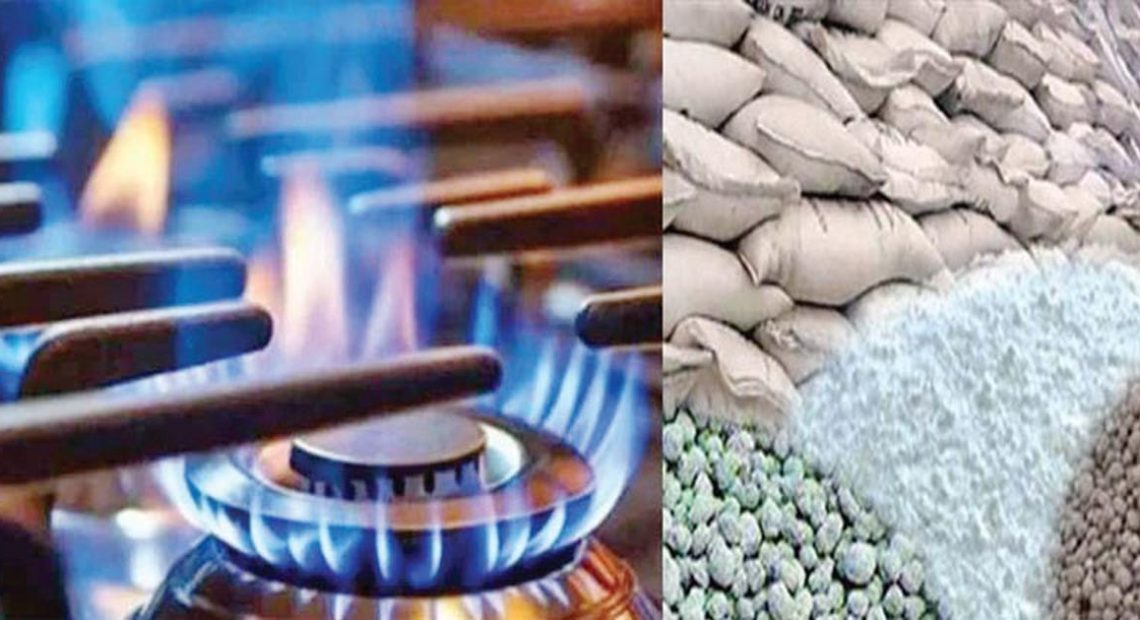
The country’s fertiliser and gas crises are gradually easing amid global geopolitical tensions, instability in the Middle East and rising international energy prices. Under Prime Minister Tarique Rahman’s direct guidance and diplomatic efforts, the government has taken several measures to ensure adequate fertiliser supplies, improve gas and electricity generation and contain rising prices of essential commodities. The government says there is currently sufficient stock of fertiliser in the country, while new imports are also being approved. Action has been taken against officials and dealers involved in irregularities, and a three-member ministerial committee has been formed to monitor the overall situation.
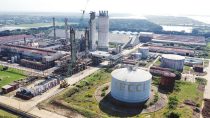
As of August 24, the country had 1.365 million metric tons of fertiliser in stock, including 482,000 metric tons of urea, 369,000 metric tons of TSP, 368,000 metric tons of DAP and 146,000 metric tons of MOP. The government on August 24 approved the import of another 365,000 metric tons of fertiliser. A week earlier, imports of 115,000 metric tons from Canada, Russia and Saudi Arabia had also been approved. Another 865,000 metric tons are in the import pipeline. The state-owned Chittagong Urea Fertilizer Limited (CUFL) in Anwara, which had remained shut for nearly six months, received gas on Tuesday. Its Managing Director Mizanur Rahman said equipment testing was underway and urea production is expected to resume on September 3 if everything remains normal. Once operational, CUFL will produce 11,000 metric tons of urea daily.
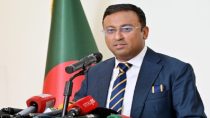
PM’s Information Adviser Dr Jahed Ur Rahman said problems in some areas were mainly related to the distribution system as the government was introducing changes. Some dealers were also not collecting their allocated fertiliser on time, creating temporary problems in certain areas. A three-member committee has also been formed to review fertiliser collection, distribution and dealer appointments. Meanwhile, the energy sector has faced severe pressure amid the US-Iran war and tensions surrounding the Strait of Hormuz. LNG prices in the international spot market have risen from $12-14 per unit to $24, with fears that they could reach $30.
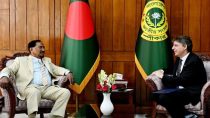
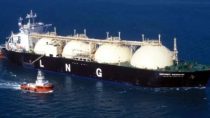
Against this backdrop, Prime Minister Tarique Rahman has personally led diplomatic efforts to secure LNG at affordable prices. Bangladesh has discussed expanding existing agreements and securing additional cargoes with Qatar and Oman, while the Prime Minister has also discussed long-term LNG supplies with the Malaysian Prime Minister. The government has ordered large coal-fired power plants to operate at full capacity to reduce pressure on natural gas supplies. The damaged Floating Storage and Regasification Unit (FSRU) in Maheshkhali has also been repaired, restoring gas cargo unloading at the port. To reduce dependence on imported energy in the long term, the government has accelerated domestic gas exploration. Work is underway to drill and re-drill 150 wells nationwide, targeting an additional 1,750 million standard cubic feet per day (MMSCFD) of gas for the national grid.
A feasibility study has also been completed for an emergency gas pipeline from Bhola at a cost of around Tk500 crore. Alternative plans to transport gas from Bhola in LNG or CNG form are also being considered. The government has further moved to increase electricity generation from oil-fired private power plants by clearing their outstanding payments. The power plants have been instructed to raise production by up to 80 percent to reduce load-shedding and ease pressure on industries. Bangladesh Power Development Board (PDB) Member (Generation) Md Zahurul Islam said oil-fired plants were now generating more electricity than at any previous time to tackle load-shedding. Electricity is being generated from these plants during the day as well as during peak evening hours.
PM’s Information Adviser Dr Jahed Ur Rahman said gas supply has not yet fully returned to normal, although the damaged FSRU has been repaired. He said the situation is expected to improve soon. He also said the government is considering allowing industries to pay gas and electricity bills in 12 monthly installments instead of making one-time payments. According to the Finance Minister’s assessment, it may take around two years for the economy to reach a better position. However, Jahed said this does not mean the situation will remain difficult throughout the period, as gradual improvement is expected.